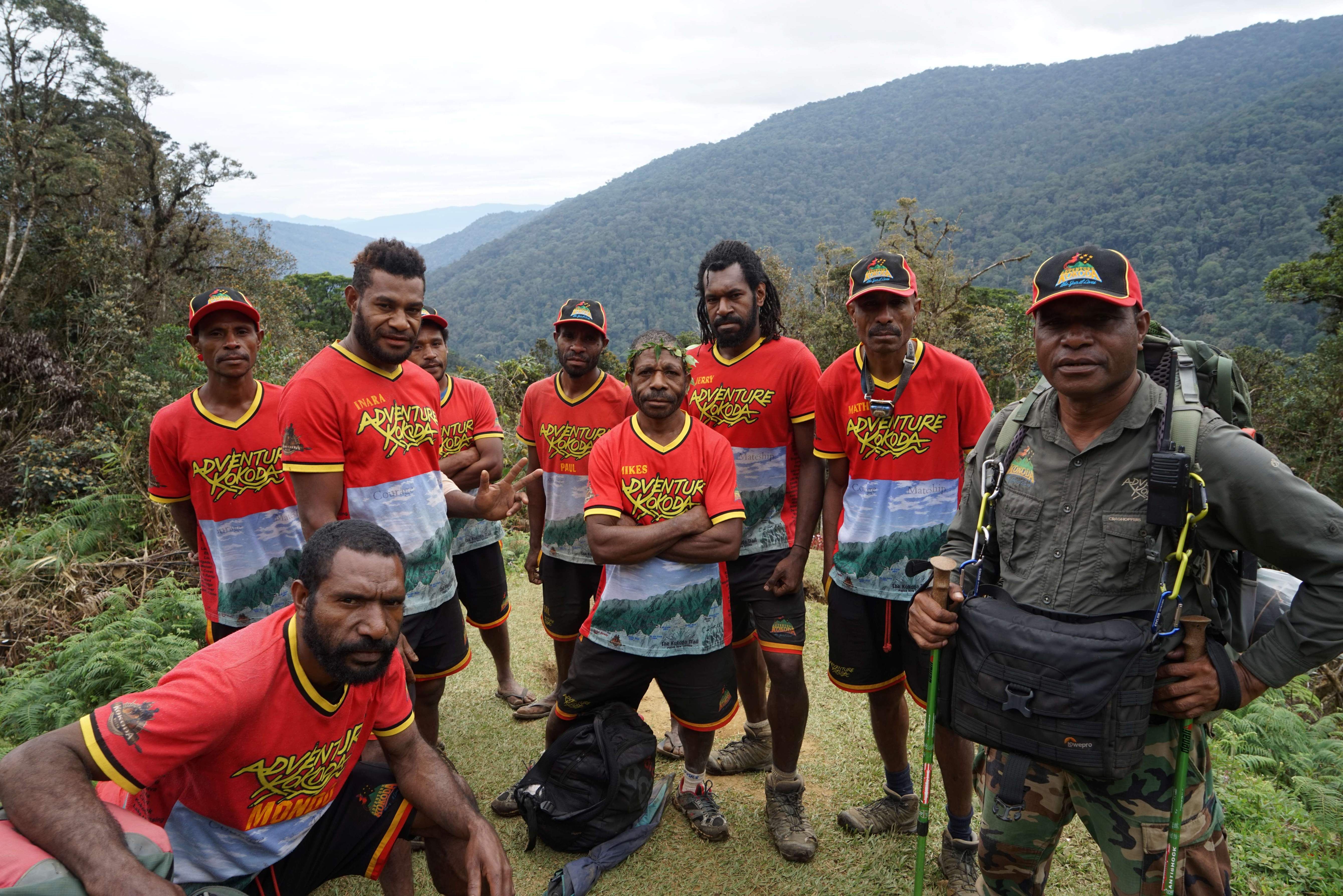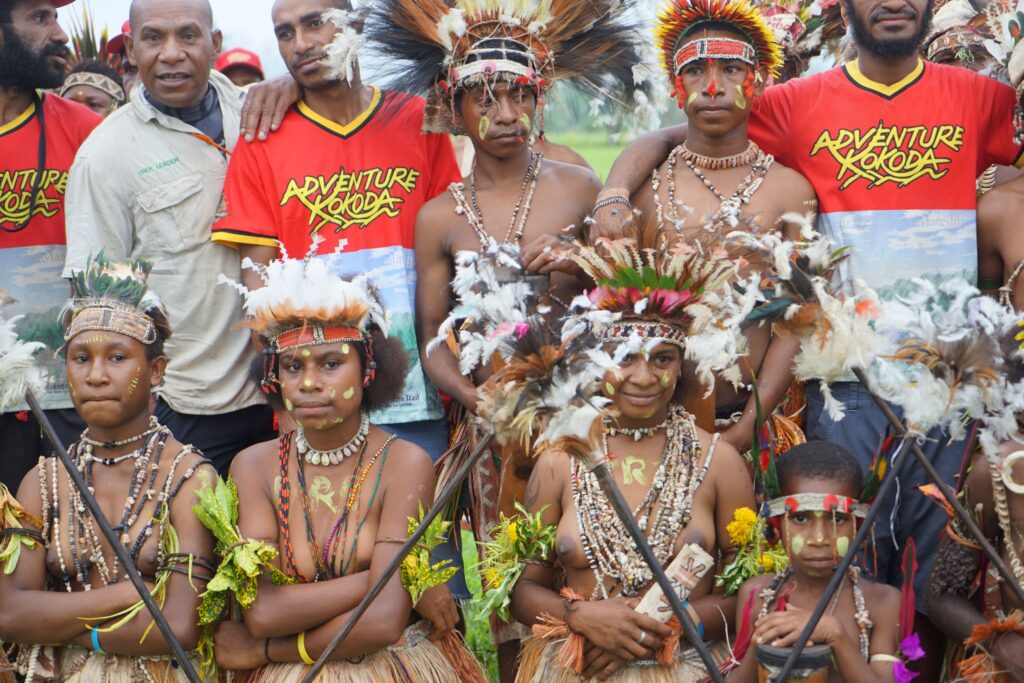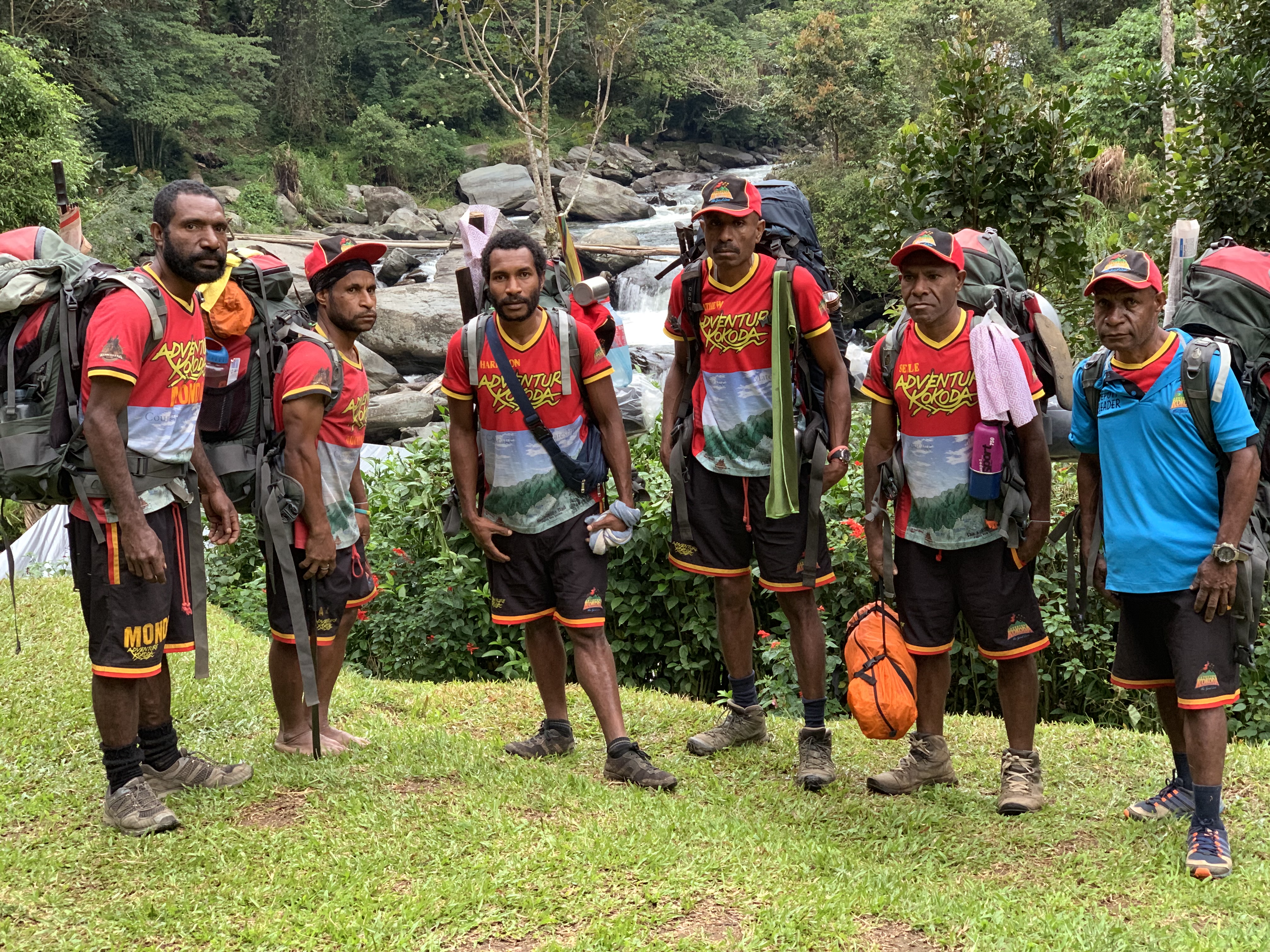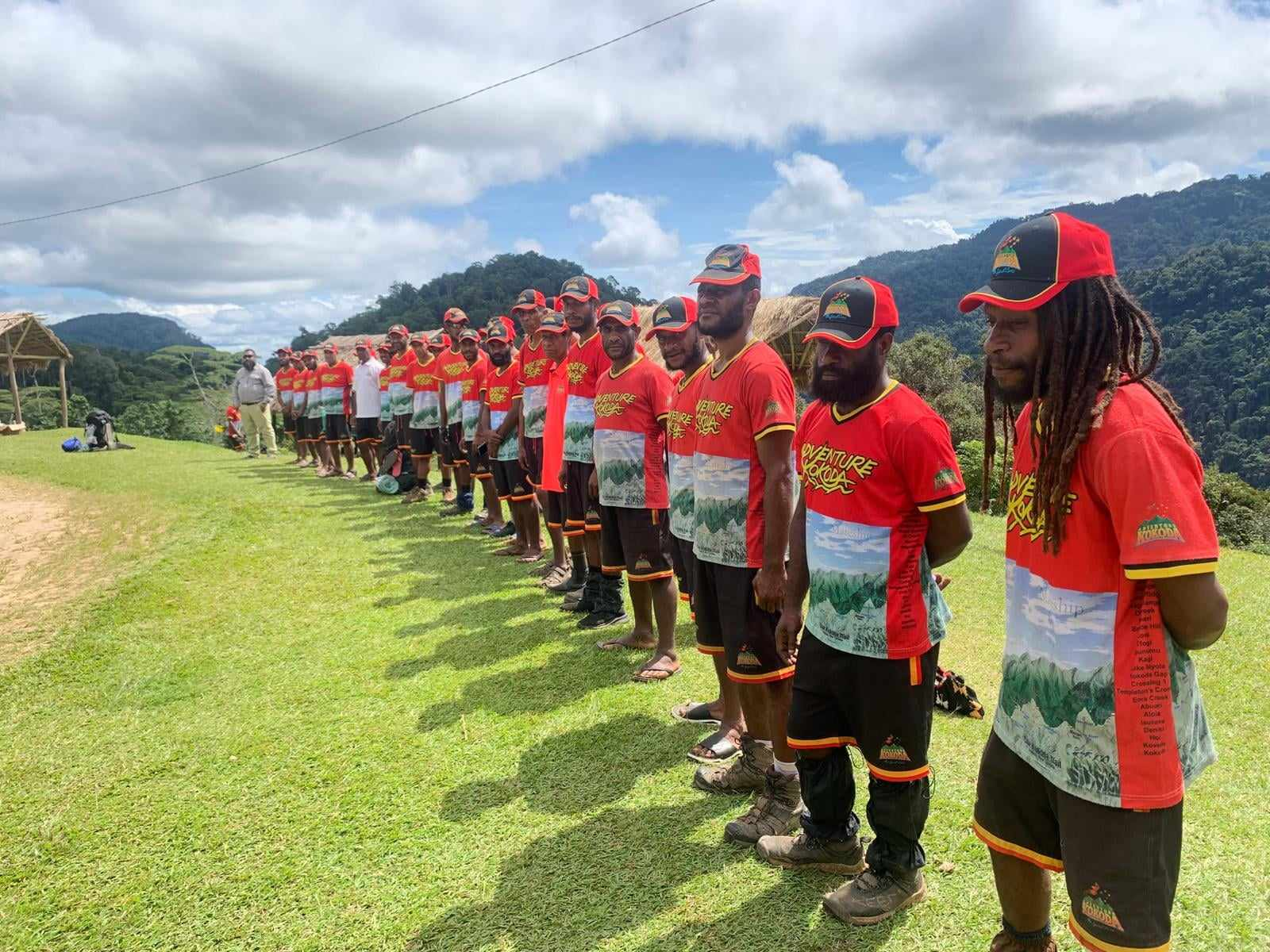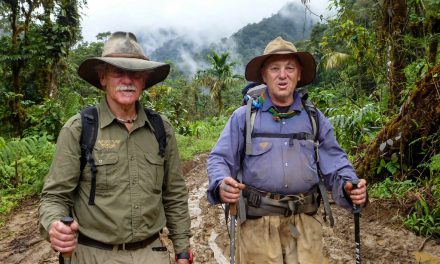
Our pioneering Adventure Kokoda leaders were former army officers from the Vietnam era. We had been trained by veterans from the Kokoda campaign who remained in the army after the war.
We had been schooled in the need to prioritise the welfare of our soldiers in training and in war.
It was therefore natural for us to regard our PNG guides and carriers as part of our team in much the same way we had once looked after our soldiers.
Our first ‘recruits’ were straight out of remote subsistence villages. None wore any uniform, not even a pair of boots. Each one had to bring their own blanket. At first glance, they could easily have been mistaken for a band of raskols wandering through the jungle.
We soon learned they were much more than that. As we encountered obstacles such as landslides, steep embankments, and flooded rivers, their expertise came naturally to the fore as we safely negotiated each one.
As we got to know each other, we realised they were no longer individuals. They were part of a team.
Our first responsibility was to turn them into a recognisable team.
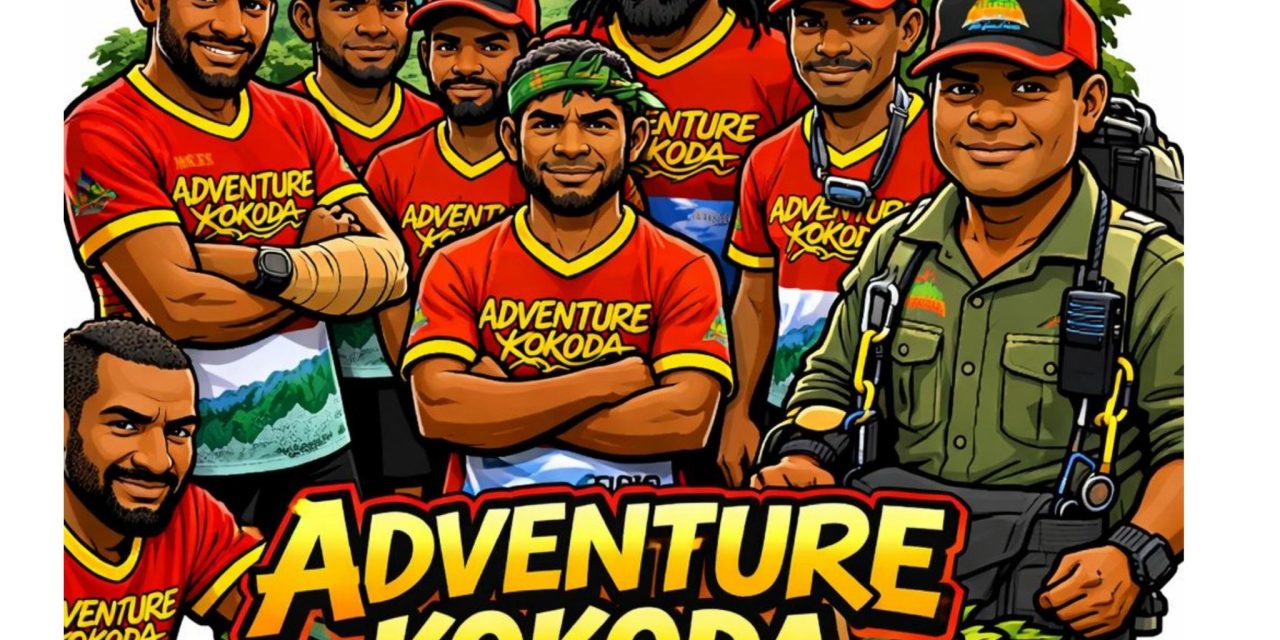
This involved designing and purchasing a trek uniform for each member. Next came a sleeping bag and foam mat to replace their blankets. Then, a commitment to put them on the same ration scale as our trekkers, with slight variations to suit local tastes.
Out on the Trail, they now looked like a team. A very proud one. However, during our treks, we had to use the old ‘sar-major’ approach to ensure they wore their full uniform at all times they were ‘on-duty’, by chipping them if they did not have their cap on or had a different pair of shorts for whatever reason.
Then, as our trekker numbers grew, we had to increase team sizes and introduce a rank structure with different uniforms and higher pay rates. We had a Chief Guide, a Deputy responsible for our advanced campsites, a boss cook with an assistant, a medic and a lead scout at the front of each group.
It wasn’t all plain sailing. There were stuff-ups, and when they happened, they copped a full ‘sar-majors’ rant. ‘Mi sori bossman’ was the normal response, followed by good-hearted discussion.
The day after each trek, we would then have our leadership team luncheon, where we would review all aspects of the trek, the performance of individual guides and porters, and what actions we needed to take to improve. The most enjoyable part of these discussions were the inevitable stuff-ups and their interpretation of why they happened. This usually led to much raucous laughter and an understanding of why it happened. Much of it could be attributed to the ‘Melanesian Way’ — a blend of good humour, improvisation, optimism and a belief that somehow things will work out in the end.
Only those who have laughed with a Papua New Guinean will ever understand what uninhabited laughter from the pit of the stomach is all about.
There are times when one wonders whether the message is getting through, given the degree of micro-management required during each trek.
My doubts were dispelled after a Dawn Service at the Isurava Memorial on one of my last treks. Our guides and carriers play an important role in the service with their singing of traditional songs.
After the service, I returned to my tent, which was pitched outside our PNG trek leaders’ hut.
I then heard one of our leaders criticising the fact that not all of the crew got out of bed to attend the service. I hadn’t noticed, as there were certainly enough to support the service.
He then went on. ‘This is not up to the Adventure Kokoda stand’ard‘, he ranted.
It then hit me that they, the leadership team, had taken ownership of the standard!
There was a bit of toing and froing about what to do about it before they agreed to check out who didn’t attend the service, so they could deny them their K80 bonus at the end of the trek the following day and distribute the money amongst those who did attend.
At that moment, I realised the Adventure Kokoda standard no longer belonged to me. It belonged to them.
After 101 treks, there could be no prouder moment to hand over to the next generation of leaders.