
This content has been archived. It may no longer be relevant
Veterans’ Affairs Minister Matt Keogh’s visit to Papua New Guinea for Anzac Day is a welcome initiative; however, his choice of attending a Dawn Service at Isurava indicates he has been poorly briefed by his department.
Isurava is a significant battle site and well worth a visit; however, the Dawn Service at Bomana War Cemetery on the outskirts of Port Moresby is the final resting place for the 625 Australians killed during the Kokoda campaign and a further 3,000 killed in other battles throughout Papua during the War in the Pacific.
The remains of the 99 Australians killed in the battle of Isurava were relocated to Bomana War Cemetery in 1942, along with 3,725 Commonwealth war dead.
Bomana War Cemetery is the largest Australian war cemetery in Papua New Guinea and the Pacific. It features a Cross of Sacrifice, a Stone of Remembrance, a Memorial to the Missing, and 3,824 white marble headstones in a tranquil setting maintained by the Office of Australian War Graves.
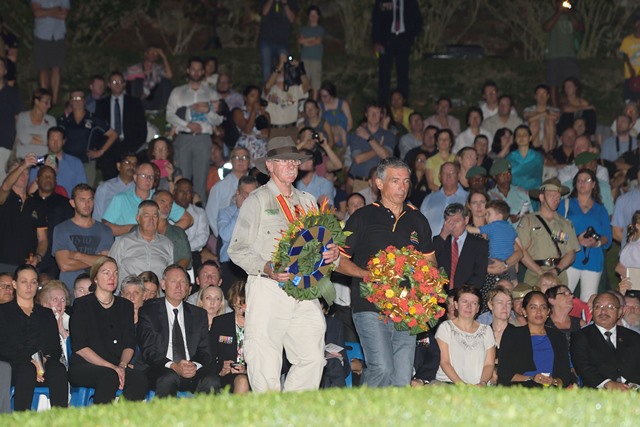
The annual Anzac Dawn Service at Bomana has been conducted since the war ended in 1945 and is attended by PNG dignitaries, including the Governor General, Prime Minister and foreign diplomats.
In the past, Ministers have attended the official Dawn Service and then boarded a helicopter for the short 20-minute flight to Isurava to inspect the site. It is not known why Minister Keogh has decided to shun the most significant Dawn Service in the Pacific this Anzac Day.
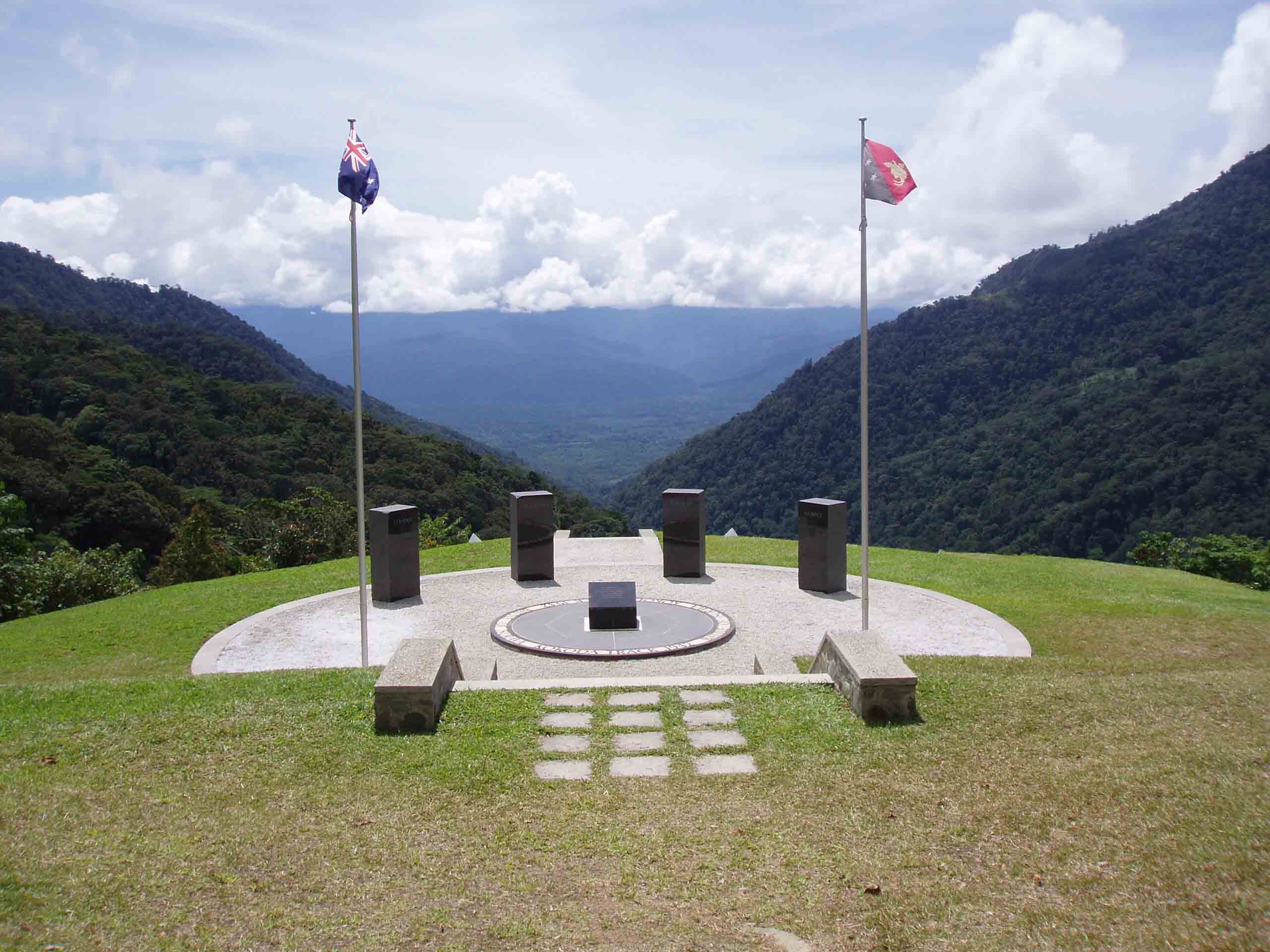
The Isurava Memorial was commissioned by the Howard Government and officially opened by former Prime Ministers John Howard and PNG’s Grand Chief, Sir Michael Somare on the 60th anniversary of the Kokoda campaign in 2002.
A few years later, Channel 7 television presenter, David Koch, organised an unofficial Dawn Service at the memorial as a publicity stunt to draw attention to a trek he had organised with then aspiring politicians, Kevin Rudd and Joe Hockey.
If Minister Keogh were to drop onto Brigade Hill en route to Isurava, he would learn that 87 Australians were killed at that site during that battle in September 1942, and if he then hopped over to Eora Creek, he would learn that more than 400 Australians were killed or wounded in close-quarter battles during the Templeton’s Crossing campaign in October 1942. The remains of those KIAs from these sites were also relocated to Bomana War Cemetery.
He would also learn that DVA has not invested in any form of restoration or interpretive memorial at any other significant battle site across the Kokoda Trail since the Howard Government commissioned the Isurava Memorial 24 years ago and perhaps ask his departmental advisors why this is so.
Minister Keogh might also ask why trekker numbers for the Anzac period have fallen so dramatically since Canberra took control of its management in 2008. That year, there were 1,030 trekkers in April. This year, there will be around 350.
In 2008, approximately 2,500 casual jobs were created for subsistence village guides and porters during the Anzac period, and almost $2 million would have flowed through their village economies via charters, wages, campsite fees, and local purchases. In 2026, the number of casual jobs will fall to around 850, with just $250,000 flowing through village economies.
We live in hope that Minister Keogh will advise his departmental advisors to pay his respects to our war dead at the official Anzac Dawn Service and seek answers as to why trekker numbers during the Anzac period have fallen so dramatically under Australia’s watch since 2008.
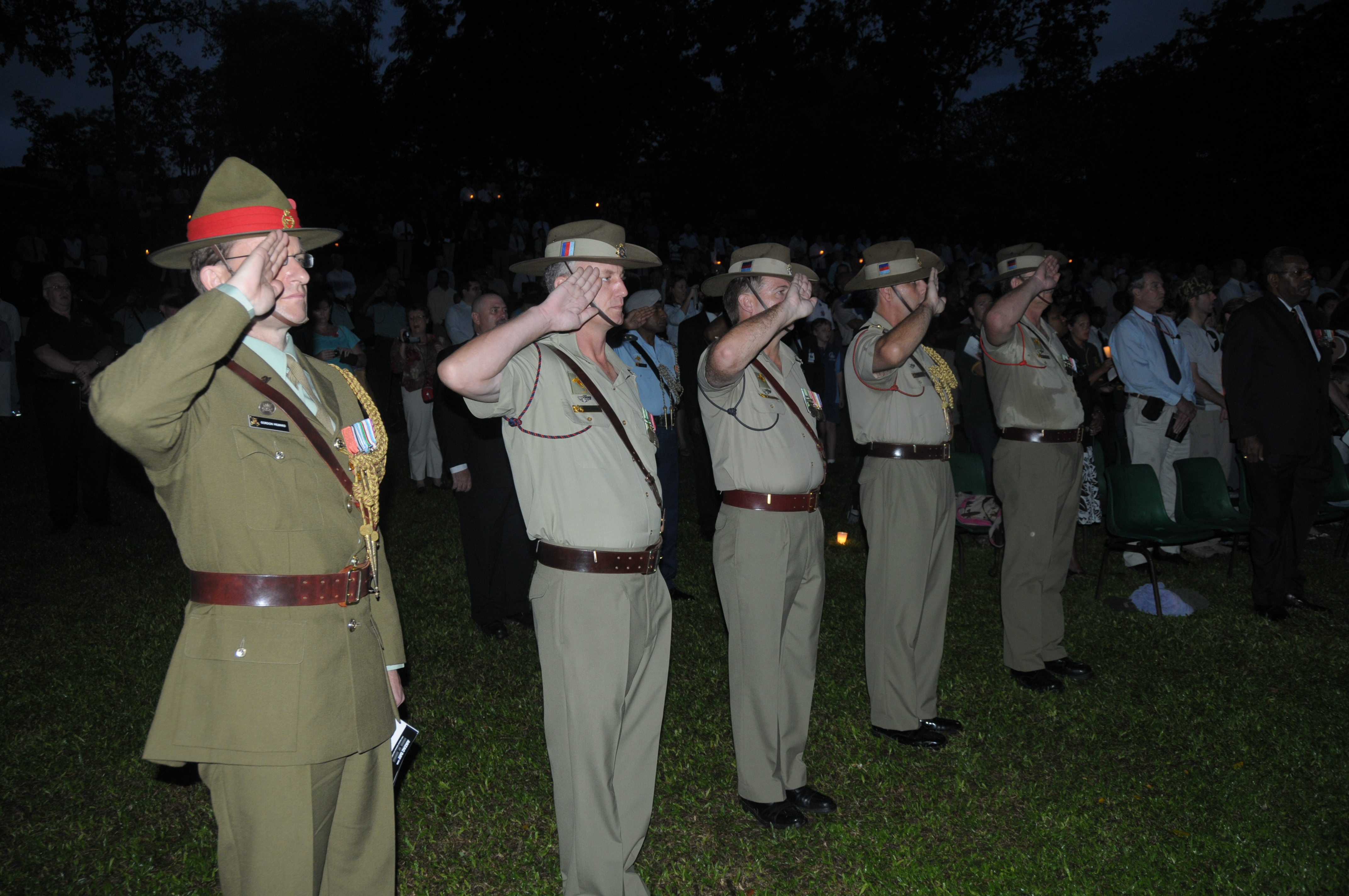
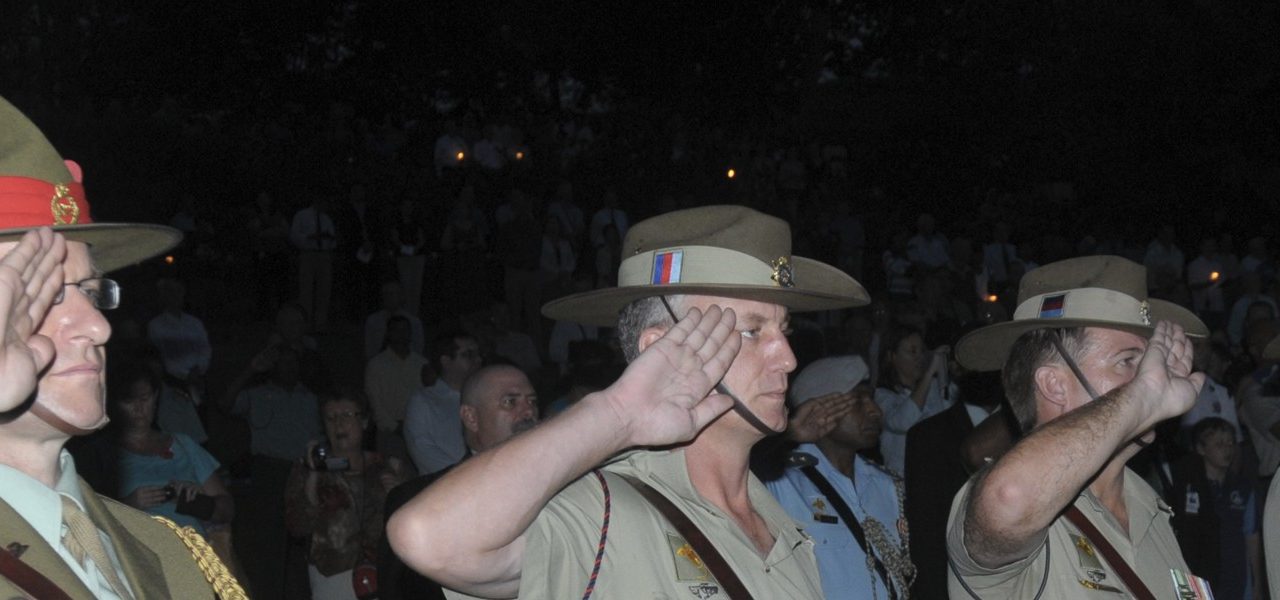
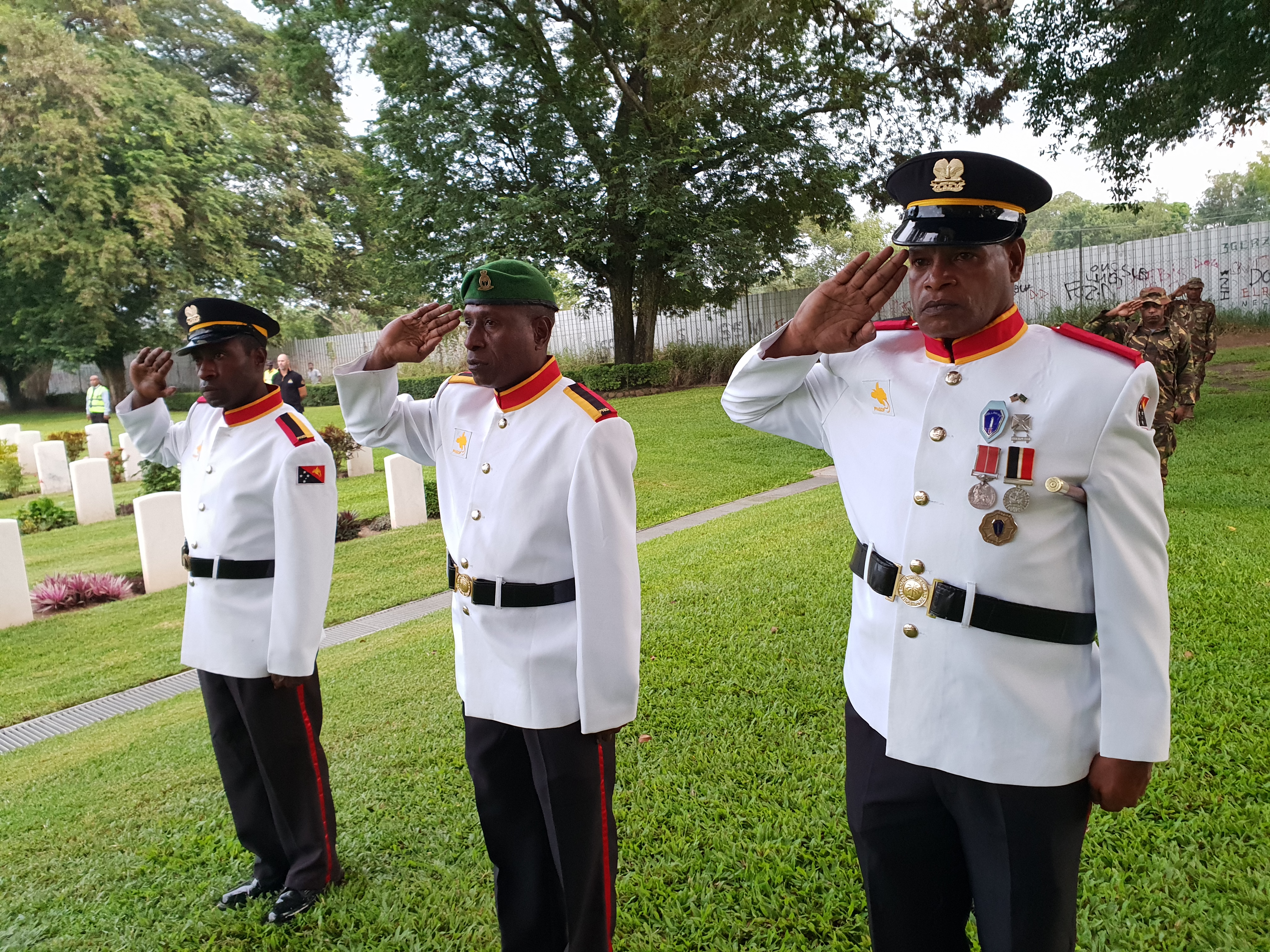
Australian & New Zealand troops saluting during the official Anzac Dawn Service at Bomana War Cemetery
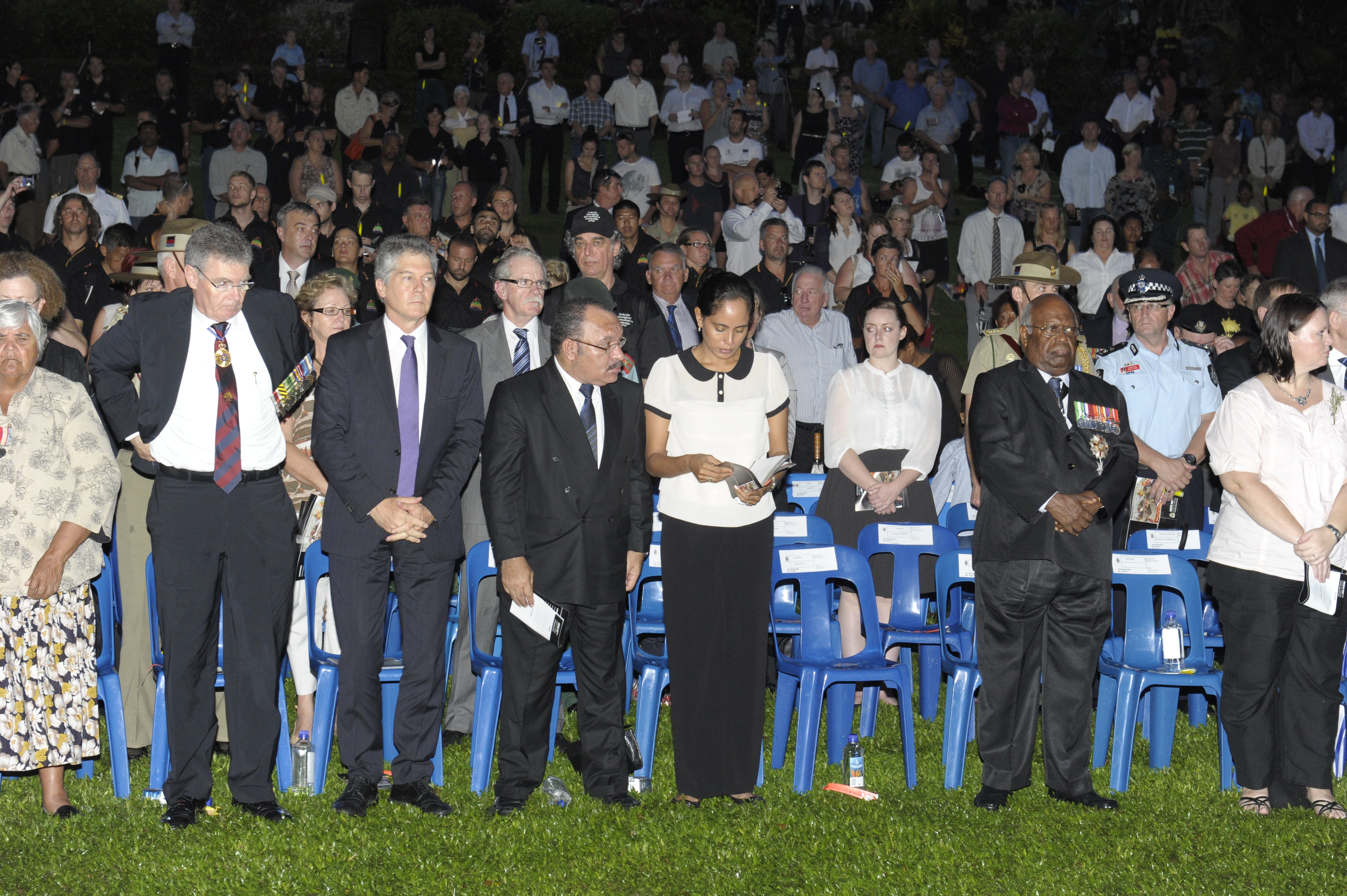
Official delegation: PNG Prime Minister, Governor General & diplomats atttending the official Anzac Dawn Service at Bomana War Cemetery
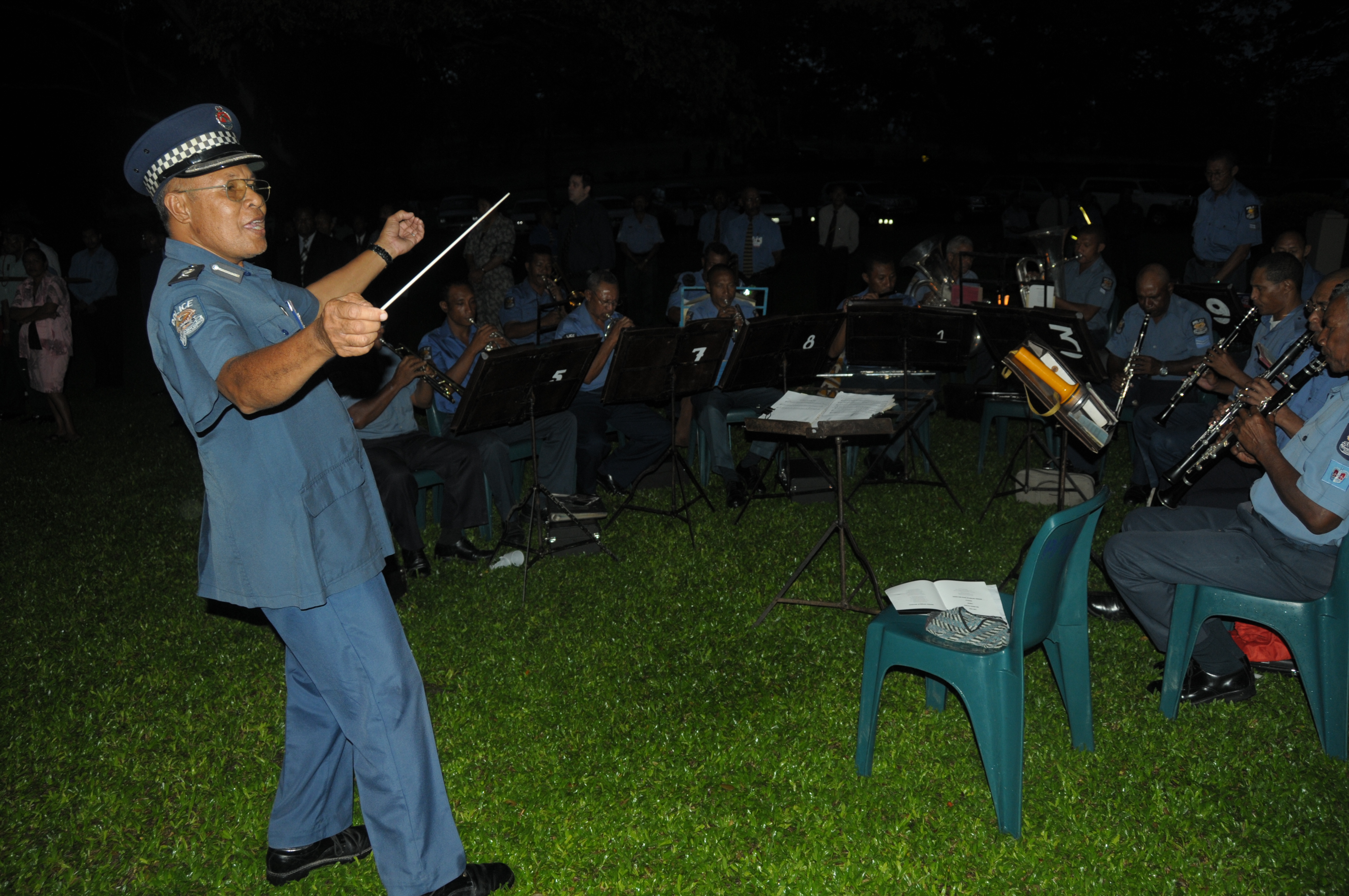
PNG Corrective Services band in full swing at the official Anzac Dawn Service at Bomana War Cemetery
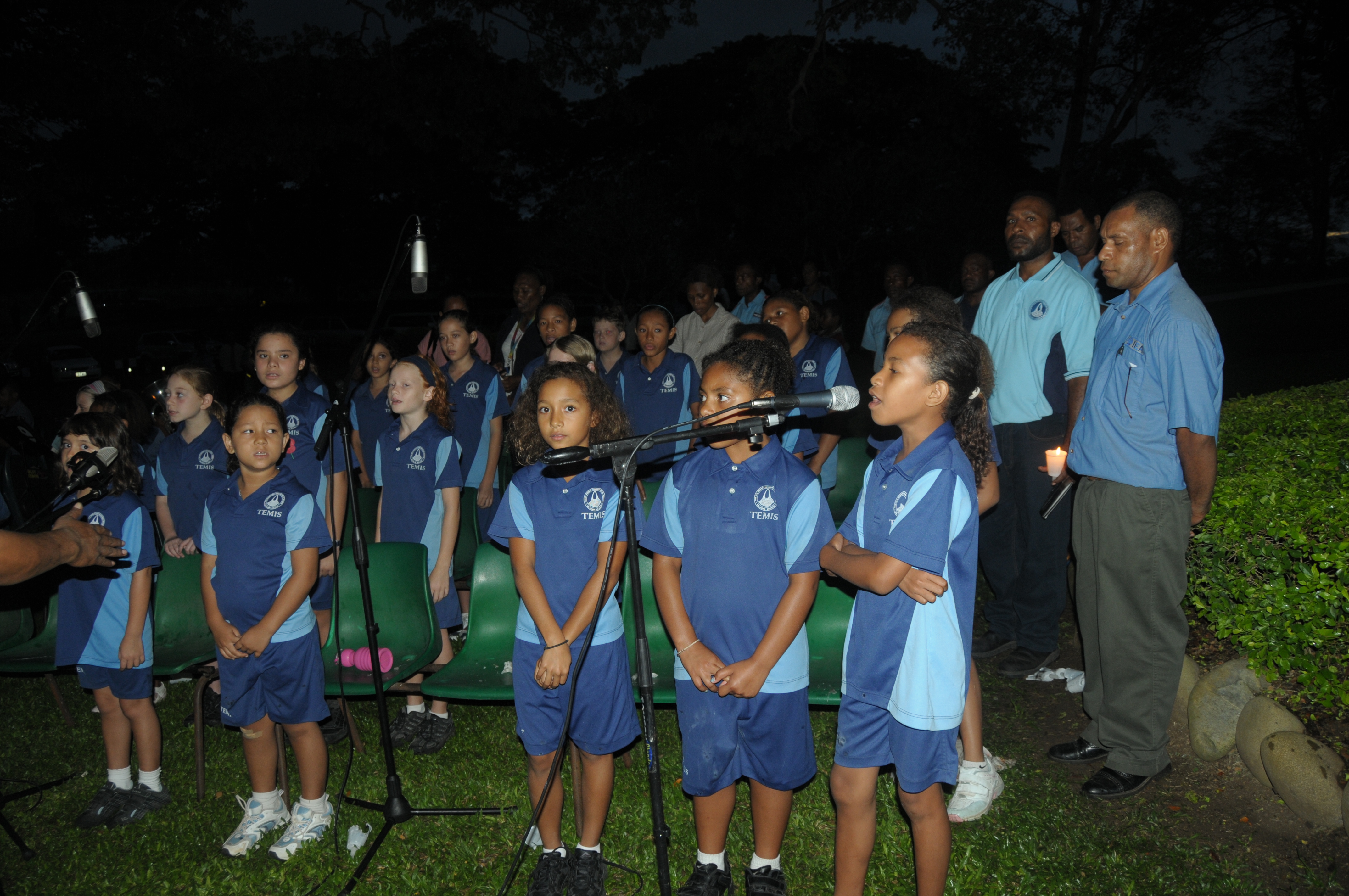
Port Moresby school children singing at the official Anzac Dawn Service at Bomana War Cemetery
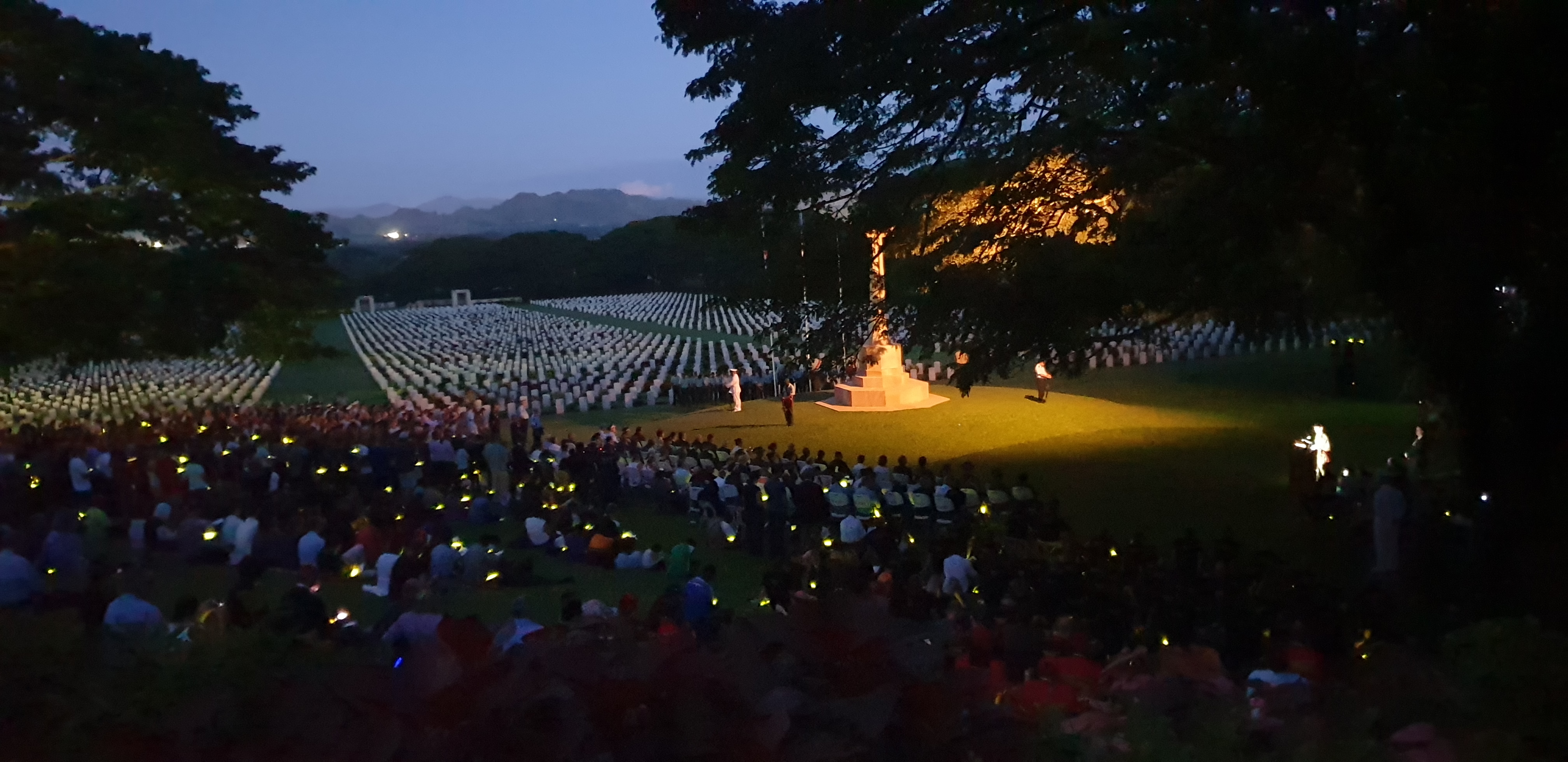
Offiucial Anzac Dawn Service at Bomana War Cemetery
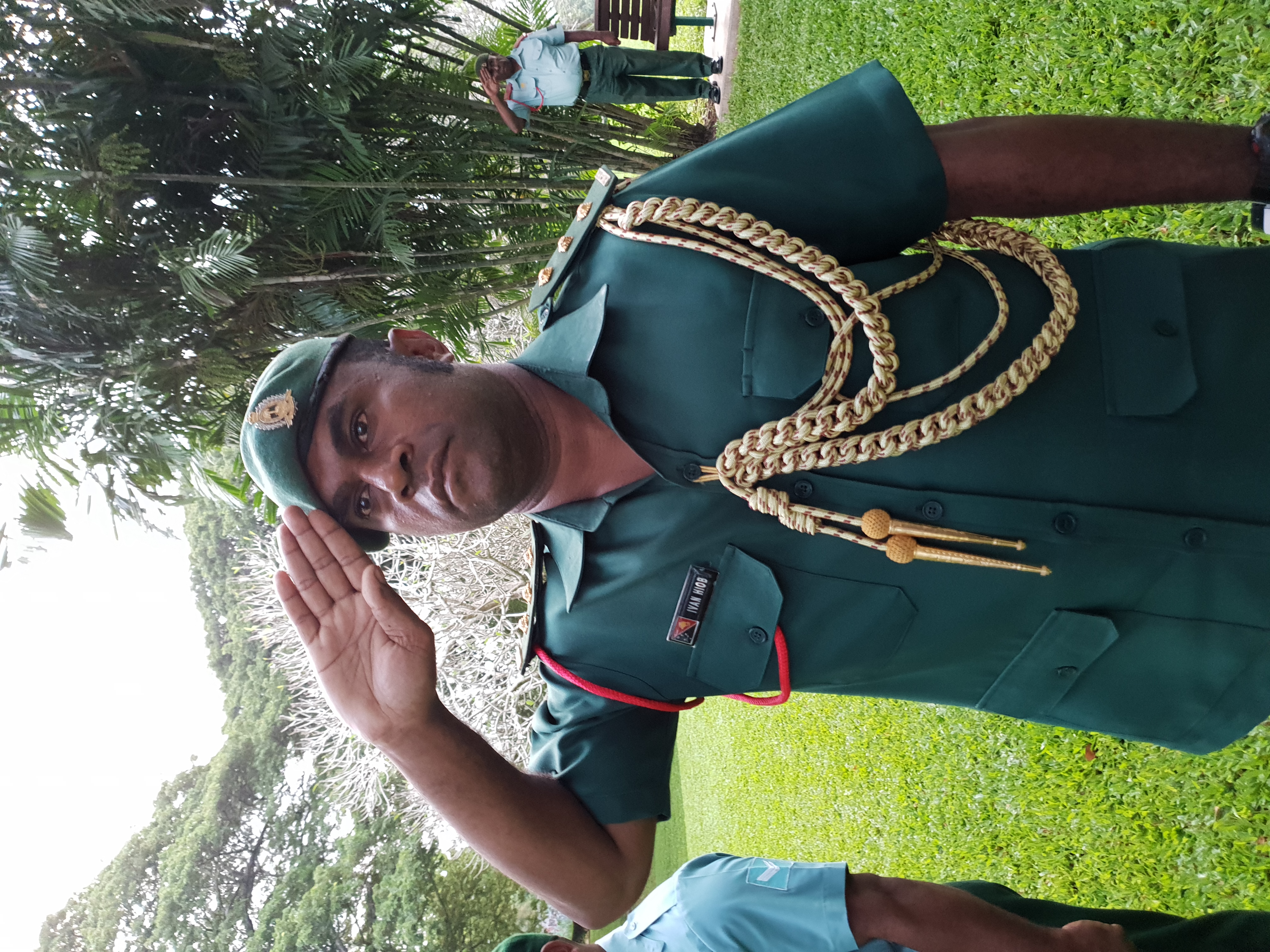
Papua New Guinea Defence Force Captain salute at the official Anzac Day Service at Bomana War Cemetery
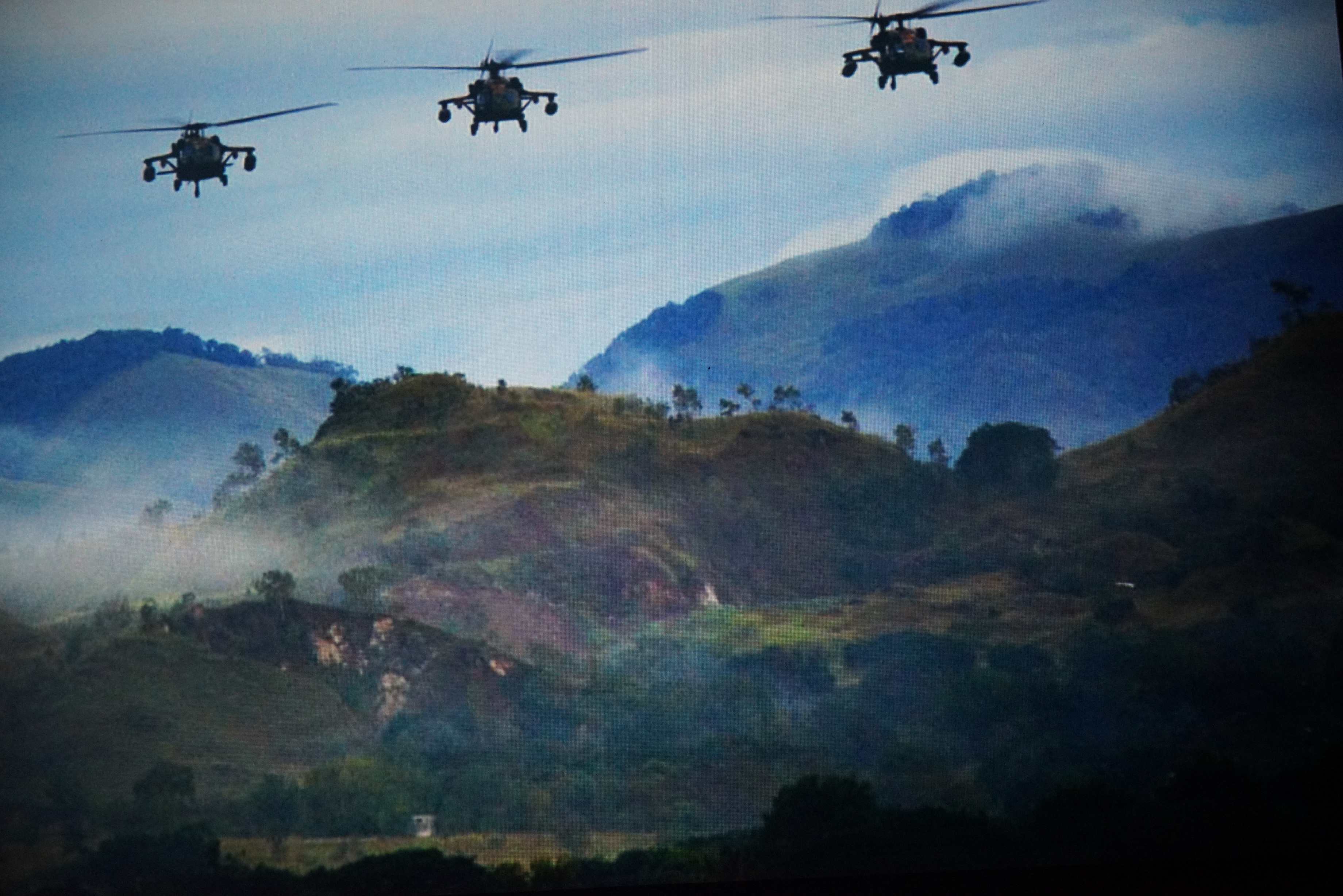
Blackhawk Helicopter Flypast at Bomana Anzac Day Service
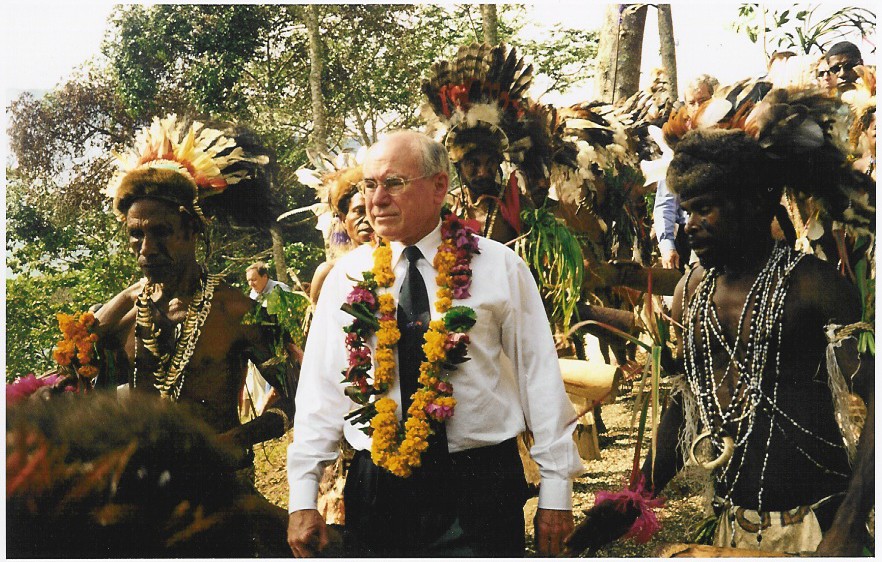
Prime Minister John Howard traditional ceremonial welcome on arrival to officially open the Isurava Memorial on the 60th anniversary of the battle in August 2002
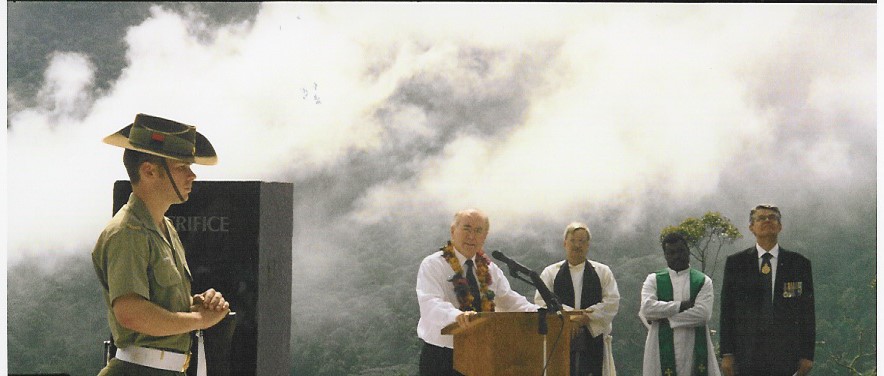
Prime Minister John Howard officially opens the Isurava Memorial on the 60th anniversary of the battle for Isurava in August 2002
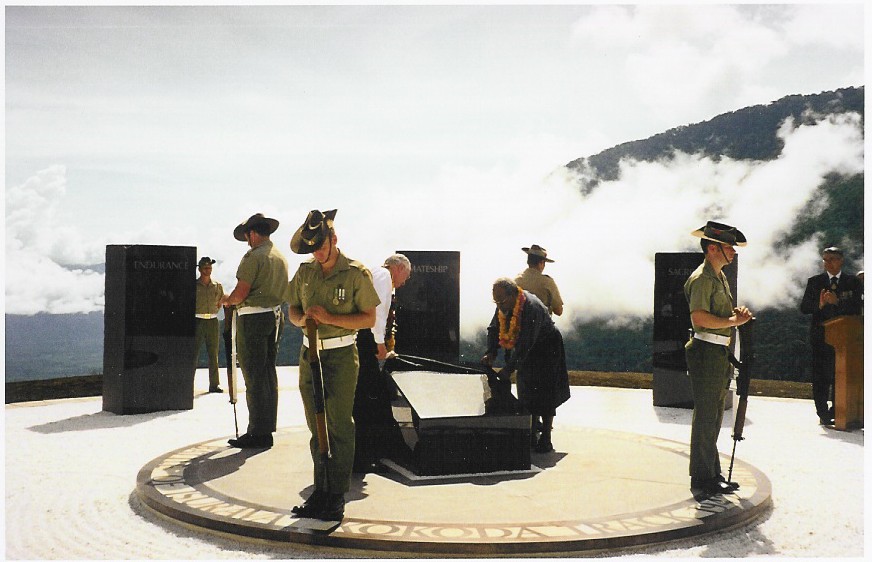
PNG’s Grand Chief, Prime Minister Sir Michael Somare and Prime Minister John Howard unveil the centrepiece at the Isurava Memorial





Good work Charlie, much better that Veterans Affairs Minister Brett Keogh arrives at Bomana War Cemetery in darkness to lay a wreath with other dignitaries, then visits Isurava Battlefield by helo’ in daylight. Regards, Reg Yates.