Lieutenant Colonel Rowan Tracey (Retd)
Presentation to the Land Cover Branch of the Returned Services League, 14 April 2026
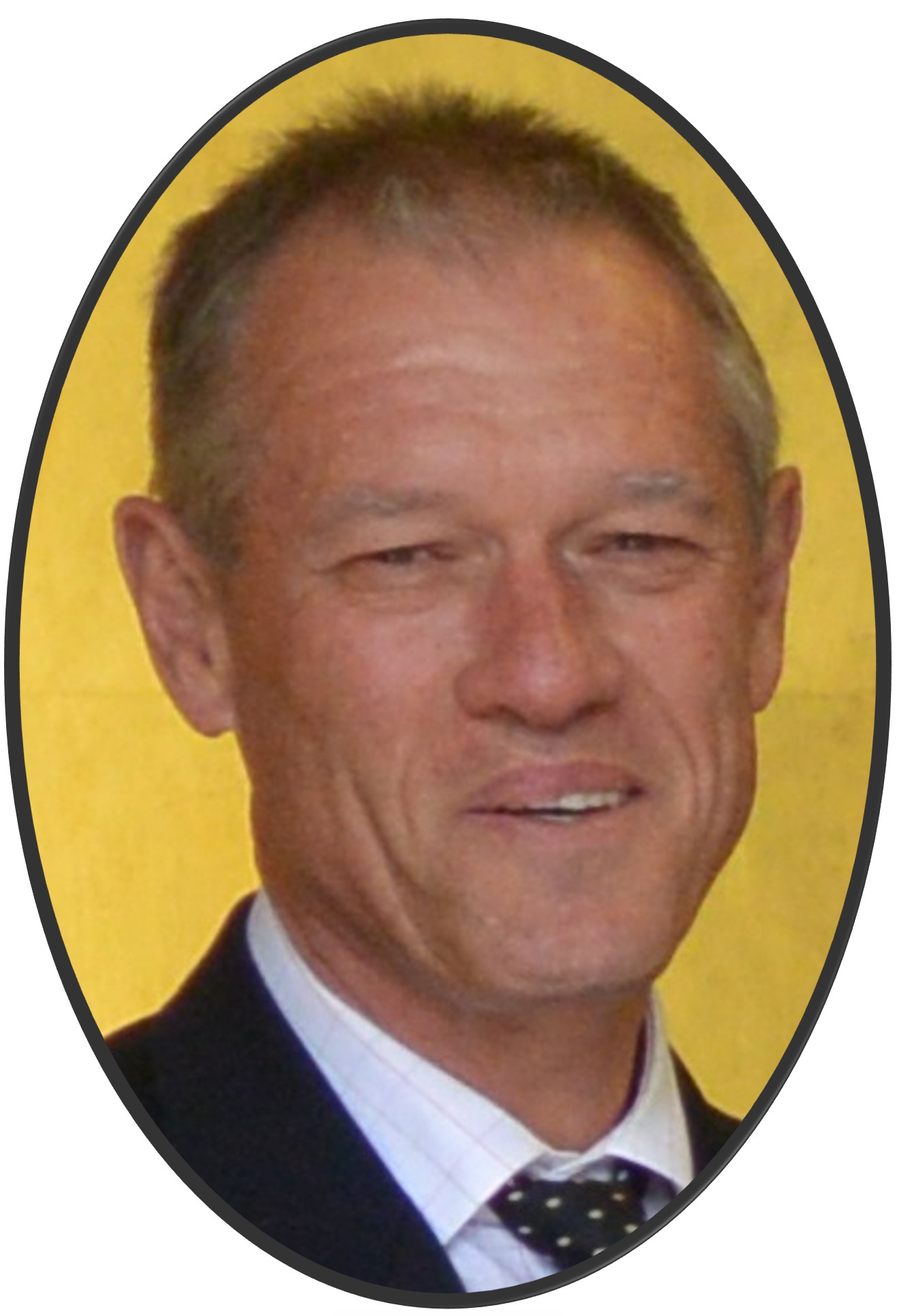
Lieutenant Colonel Rowan Tracey is Australia’s most foremost military historian on the Kokoda campaign. He is a graduate of the Royal Military College and a Sword of Honour recipient. He has tertiary qualifications in law, government, and history.
During his 23 year military career he served with the PNG Defence Force and commanded of Australia’s largest logistic unit with 1,200 employees. He is fluent in Tok Pisin and travelled widely around PNG during his two-year assignment.
He first trekked that Kokoda Trail in 1984. Since then he has led more that 30 expeditions and studied each major battle area across it from a military perspective.
Rowan has been invited to prestent papers of the Kokoda campaign at the Australian War Memorial and the Royal United Services Institute and the Returned Services League. He was also invited to write the official history of the 2nd Division AIF.
During the 1990s, a group with military affiliations argued for greater recognition of Australia’s role in the war in the Pacific, having gained the support of service organisations. In so doing, they appropriated for their cause, the term that Prime Minister John Curtin had used following the fall of Singapore – the “Battle for Australia”. Some years later in 2008, the minister for Veterans Affairs Alan Griffen provided a response from the Australian Government by agreeing to the proposal and announcing that a Battle for Australia Day would be introduced to commemorate the sacrifices made by the nation in the Southwest Pacific. Subsequently, it has been held on the first Wednesday in September annually to mark the defeat of the Japanese at Milne Bay. Griffin’s decision brought into focus the issue of whether the Japanese ever came close to mounting an invasion against Australia and in any case, what was the level of threat reached by the Japanese? At the time, some of you might remember that there was quite some vociferous debate about the question. And this is the subject of my presentation this evening.
A research project initiated by the Australian War Memorial and launched in 1996 provided the basis for a reconsideration of Japanese strategy and motivation. [1] It examined the war in Papua and New Guinea from both a Japanese and Australian perspective. Historians and researchers from Japan and Australia contributed to the project by considering strategy, operations and personal experiences. I cannot understand why more recent popularised accounts of the Kokoda Campaign do not reflect some of the outcomes of this research. One of these historians from personal enquiry found that the prevailing understanding in Australia of the war in the Pacific was: that Japan planned to invade Australia in 1942; that the Kokoda Campaign had saved Australia from invasion; that the Brisbane Line entailed abandoning northern Australia; and that Curtin was a great wartime leader. [2] Despite the passage of time since then, I would think that many in the audience would still share these views. However, there are severe reservations associated with each of these assertions. And I might add one other claim: that Australian forces were vastly outnumbered on the Kokoda Trail. In the battle at Isurava numbers of the opposing forces were in fact close to equal and by mid-September 1942 at Ioribaiwa the Australians actually outnumbered the Japanese. [3] The assessed strength of the Japanese was recognised and near accurate at the time of the Campaign, but in most postwar writing the relative strengths of the adversaries gradually became more exaggerated. The success of the Japanese in the initial advance can be attributed to their level of training in a tropical environment, military experience and possessing indirect fire support, not by their overpowering strength in numbers. This in no measure reflects poorly on the performance and sacrifice of the Australian soldiers fighting on the Kokoda Trail.
After their initial thrust southwards, the Japanese did not expect to be facing a United States and Australian allied force based in Australia. The expectation was that General MacArthur would relocate to Hawaii not to Melbourne, Australia. From there MacArthur would use the region, including New Zealand, to wage his counter-offensive. This meant that the Japanese had to adjust their strategic planning. [4]
When the Japanese attacked and occupied bases in Papua and in the mandated territory of New Guinea it is worth noting that at the time this was Australian territory. However, what is meant in this presentation by “invasion” is the invasion and occupation by Japan of land in continental Australia.
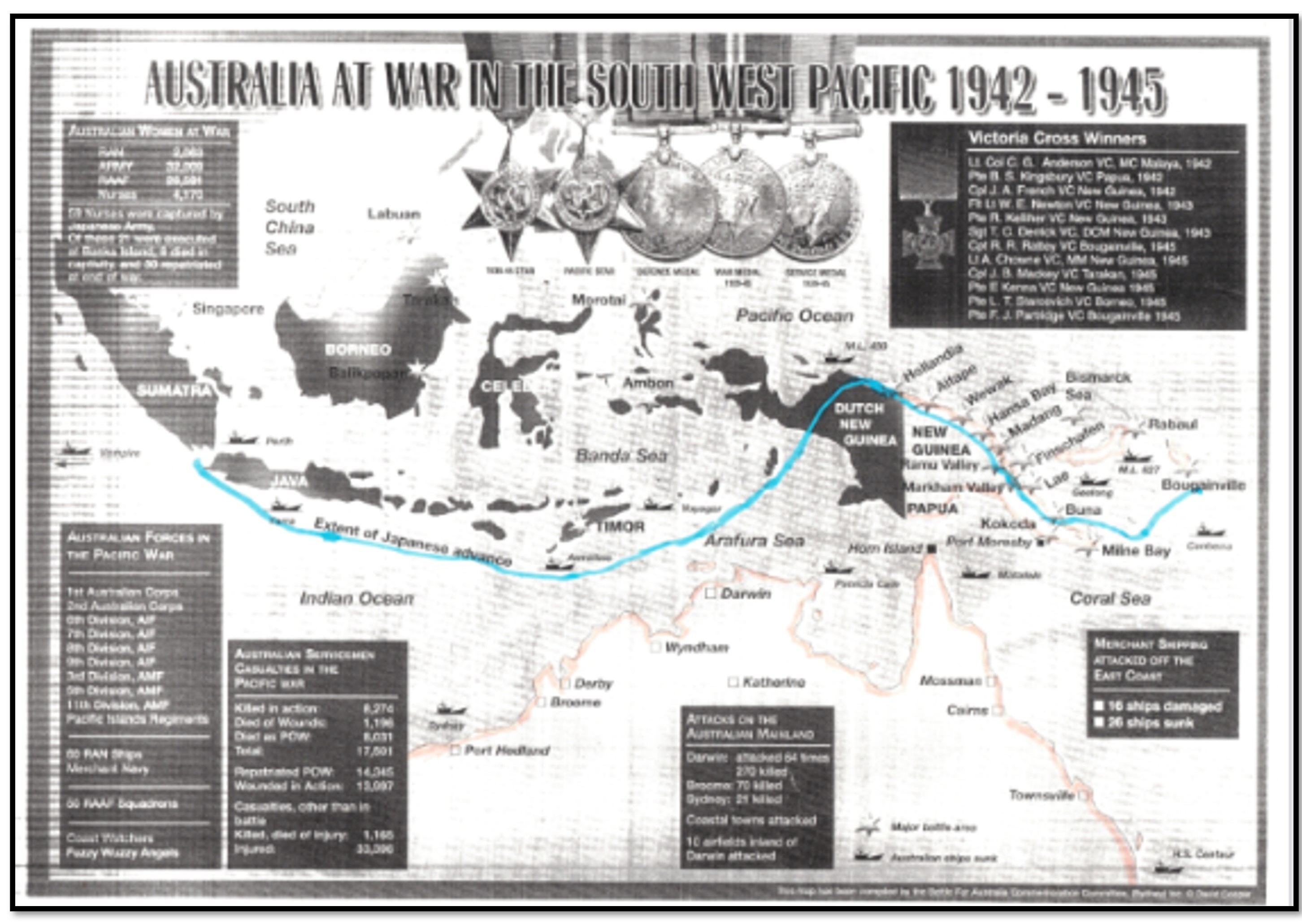
War in the Southwest Pacific 1942-1945
The screen shows the extent of the Japanese advance south – the blue line. Darwin was attacked 64 times by air with close to 270 killed and 300 to 400 wounded. 10 inland airfields south of Darwin were attacked. For those of you who attended last year’s presentation on the attack by mini submarines on Sydney Harbour a clarification is necessary on the claim that more bombs fell on Darwin during the first attack than at Pearl Harbor. Even though the total number of bombs that fell on Darwin was greater (681 to 457), the total weight of bombs was considerably heavier at Pearl Harbor (133,560kg to 114,100kg). [5] And at Pearl Harbor the number of bombers used was 273 to 205 at Darwin. Nevertheless, this was the first attack on the Australian mainland in World War II, causing considerable casualties to United States and Australian servicemen and civilians. All the Australian coastal towns shown were attacked and in Broome 70 were killed.
Between 16 May and 27 July 1942 Japanese submarines attacked 14 merchant ships and a fishing trawler on the Australian east coast ranging from Port Macquarie (NSW) to Malacoota (Vic). And from June 1942 to December 1944 a total of 27 merchant ships were sunk with the loss of 577 lives. More Australian lives were lost on Australia’s east coast than to the multiple raids on Darwin. The frequency of Japanese submarine attacks had the potential to severely impact Australian military operations and its economy to a greater degree than enemy ships or aircraft.
Largely without detection, Japanese float planes launched from submarines carried out reconnaissance flights to find possible shipping targets in the ports of major cities. In February and March 1942 float planes flew over Sydney, Melbourne, Hobart, Wellington, Aukland and Suva. Following this reconnaissance, 6 Japanese submarines were sent to Australian waters in April 1942 to search for major naval targets. Once a significant concentration of naval shipping was discovered, an attack was to take place. An aerial reconnaissance over Sydney occurred on 23 May which reported battleships and cruisers in the Harbour. A further flight on 29 May confirmed the sighting and an attack was decided upon for after sunset on 31 May by three midget submarines. The decision was based in part on the fact that it was a Sunday and defences were thought to be at a minimum. Apathy in Australia to the War and the ongoing strikes on the waterfront led to the derisive notion that Australia was fighting a 5 day a week war whereas for the Japanese it was total war. [6] However, the midget submarine raid was a failure with the loss of all three submarines and crews. Nevertheless, the firing of torpedoes from one of the craft caused damage to HMAS Kuttabul and resulted in the death of 21 naval ratings and injured another 10. The ill-prepared or non-existent defences in Australia came into focus following the raid. The Curtin Government ensured that no official inquiry was held. Coming so soon after the attack on Darwin an inquiry could only promote the feeling of defeatism in the community and expose further the lamentable state of the country’s defences.
On 8 June 1942 both Sydney and Newcastle were subjected to naval bombardments from separate large I – class submarines. Ten high explosive rounds were fired into Sydney’s eastern suburbs just after midnight, whilst two hours later 21 rounds were fired on Newcastle. Only a few of the shells exploded so little damage ensued. These bombardments could be interpreted as a message to the Australian population that the Japanese navy could strike at will when and where it suited them. This was the same practice used by Japanese submarines in bombardments on the west coast of America. [7] The Newcastle attack also targetted its shipyards. The strikes were effective, creating fear and apprehension in the community. Some families relocated inland in order to protect their children. Numerous houses were left vacant in Sydney’s eastern suburbs.
In 1942 no Japanese plan existed to progress further south than their already accomplished gains. This was in accordance with the strategy to fight a limited war in the Pacific in order to take control of sufficient natural resources to meet their needs. Nevertheless, emboldened by their early success, commanders discussed their next possible objectives. In planning discussions, the aim was to isolate Australia so it could not be used as a base for United States retaliatory action. The only proposal to attack the Australian mainland was made by a group of middle ranking naval staff officers based in Tokyo headed by Captain Sadatoshi Tomioka. [8] The plan was to capture certain strategic locations to prevent United States supplies reaching Australia, but not to occupy the entire country. These ideas were summarily dismissed by the Army as its resources were already extended in China and in dealing with a Soviet threat in Manchuria. The Naval General Staff also condemned the plan as the millions of tons of shipping needed for an invasion could not be spared. The proposal received no further attention after March 1942 when the Imperial General Headquarters decided to postpone the invasion of Australia indefinitely. To further isolate Australia, Japan decided to occupy New Caledonia, Fiji and Samoa. However, this operation did not proceed following the Japanese naval defeats at the Coral Sea and Midway.
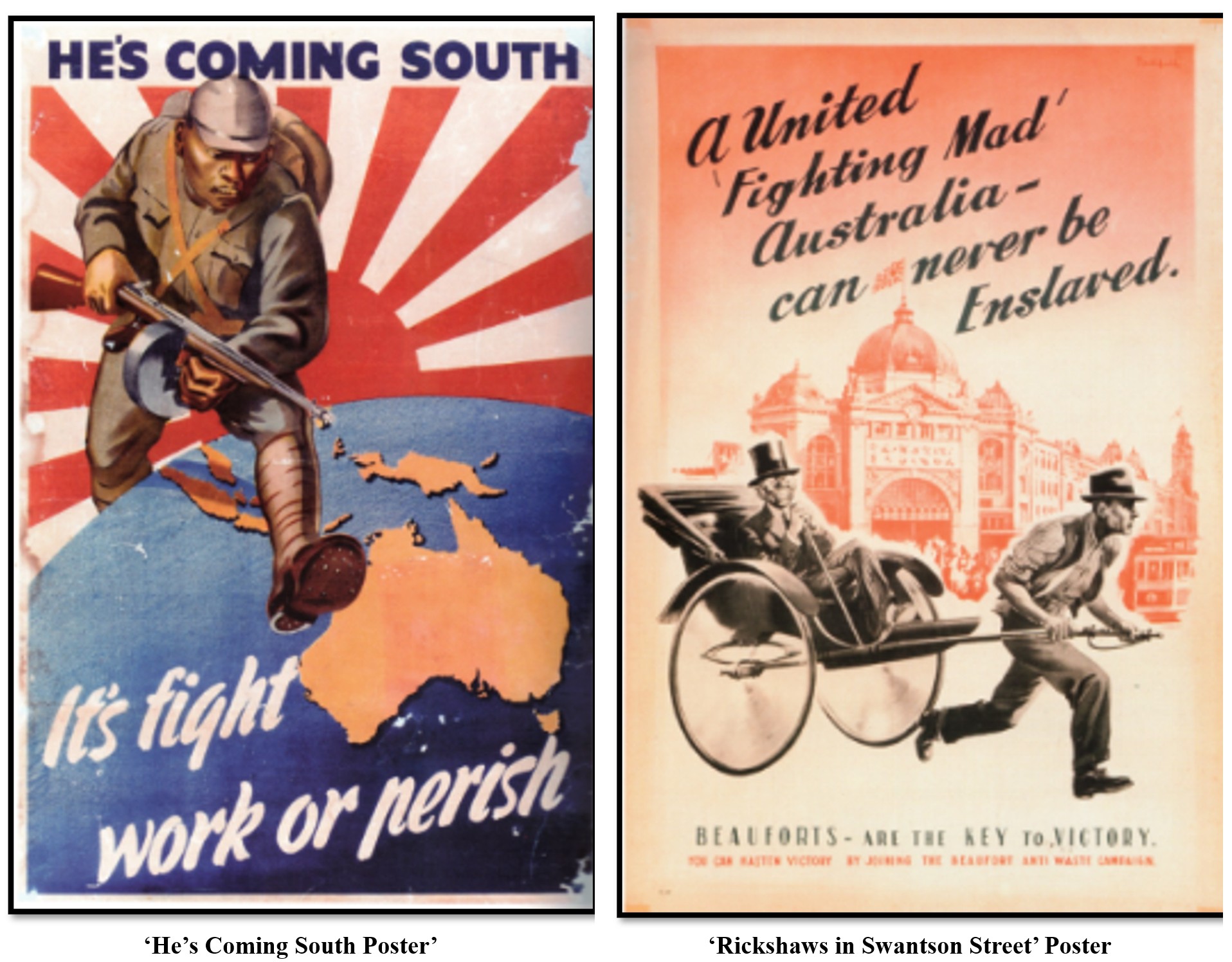
The threat of Japanese advances reaching Australian shores led to alarm in the community. Government offices in Canberra were described as displaying an atmosphere of panic. This was not surprising as concern about nations invading Australia had existed from colonial times. During the 1930s fear of a Japanese invasion intensified, becoming an expectation rather than mere contemplation. Several popular novels used as a theme the invasion and occupation of parts of Australia by a foreign power. The alarm was fuelled by the rhetoric of the Curtin Government which was accompanied by extreme propaganda on radio broadcasts and posters. Curtin was warned of the damaging effects on morale of such material as the “He’s Coming South” poster. This poster was actually banned in Melbourne and Queensland. One such warning came from Curtin’s high level Committee of National Morale. Led by Alfred Conlan, the Committee counselled Curtin against using inflammatory rhetoric and propaganda which could result in unpredictable consequences. [9]
Curtin appealed for assistance from President Franklin Roosevelt and Prime Minister Winston Churchill to meet a perceived imminent attack on the Australian mainland. And Frank Forde, the Minister for the Army, pressed Curtin to obtain 50,000 United States troops and a division from Canada. Defence advice to Curtin in early March was that an attack near Darwin was possible in April and on the east coast in May. Later in the year a map originating in China showed an invasion in Darwin and Perth which added to Curtin’s apprehension. However, Curtin’s military advisors did not regard the map as authentic and it was well past the noted date of the attack in any case. In a confidential “backroom briefing” in September 1942, Curtin told journalists that the Japanese could still “base on the Kimberleys and cross overland…diagonally across in this direction”. [10] This assertion defied military and geographic logic and emphasised Curtin’s anxiety and ignorance of military strategy.
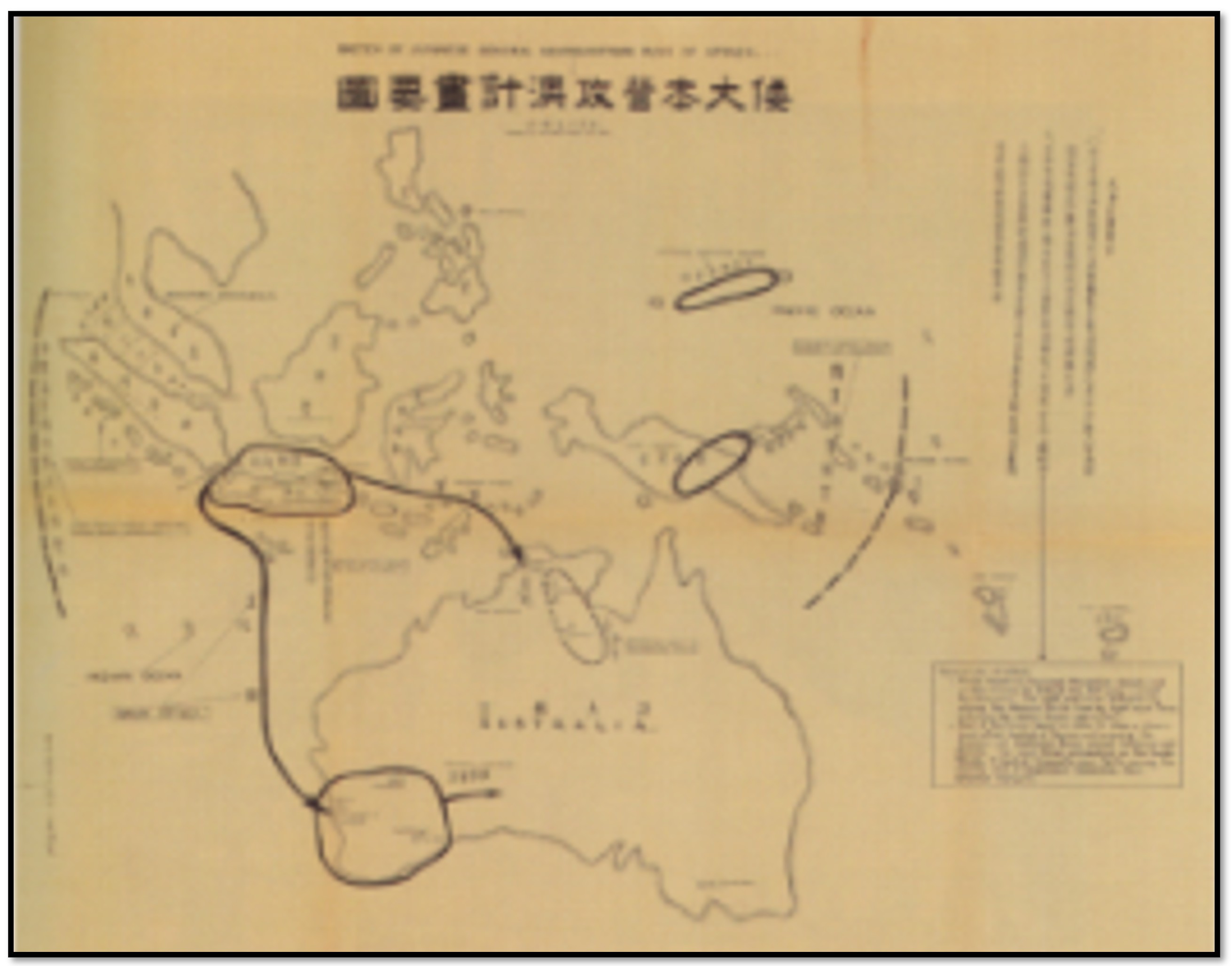
The bogus “Chinese Map”
Throughout this period, Curtin’s principal military advisor, General Douglas MacArthur (the Supreme Commander of the South West Pacific Area) had told him that it was doubtful that the Japanese would undertake an invasion of Australia. Similarly, Roosevelt and Churchill advised Curtin that a serious invasion would not take place. Curtin regarded the attitude of both men as obduracy in not providing him with the reinforcements he desired. However, it was not until late in 1943 after the capture of Lae and advances in the Markham Valley and Huon Peninsula that Cabinet minutes recorded that the danger of invasion had passed. Nevertheless, Curtin’s anxiety persisted into March 1944 when he raised the possibility of Japanese raids on Darwin and Western Australia during a confidential “backroom briefing”. [11]
What then can make sense of Curtin’s obsession with the Japanese threat? By April 1942, Curtin was aware that the Japanese decision was not to invade. Intercepts provided assurity that an invasion was not envisaged. And as 1942 proceeded, Allied victories diminished Japan’s capability to prosecute further raids. As well, this information was passed on to him by Washington, London and MacArthur. One suggestion is that Curtin persisted with the propaganda for electoral gain as he had done when he misrepresented the issue of the “Brisbane Line” for political advantage. Secondly, he might have thought that his rhetoric could activate the Australian population which was less than motivated by the Japanese threat or was plain defeatist. Another pressing concern of Curtin’s was the union strikes on the waterfront and in the mining industry. As a Labor prime minister he had not been able to control union activity and perhaps he thought that by using the threat of invasion, he might be able to limit or curb these strikes. Finally, Curtin’s public advocacy of a continued threat might have supported the intelligence deception that the Allies had not broken the Japanese codes and were not aware of the Japanese decision not to invade. This is not a strong argument. One of the enduring legacies of Curtain promoting the fear of invasion has been the continuous heritage of phoney invasion stories.
One of the historians who worked on the Australian War Memorial Research Project was of the opinion that a deeper explanation might be found in Curtin’s frame of mind [12], which was accentuated by the weight of his responsibilities as prime minister. In 1937 Curtin, whilst staring out over the Indian Ocean towards Rottnest Island, told his daughter that it was no longer a matter of whether the Japanese fleet would appear on the horizon, but when. [13] At the time, he was nodoubt aware ofthe atrocities committed by the invading Japanese in China. Curtin’s “rejection of advice that invasion was not going to occur, his repeated appeals for reinforcements in secret communications and his privately dwelling on the prospect suggest that he was unable to accept the reality”. [14] In any event, it became evident that Roosevelt and Churchill were correct in their assessment.
During early 1942, Curtin’s leadership and fitness for office came into question. Whilst in Melbourne, Curtin stayed at the Victoria Palace Hotel which was a temperance hotel in Little Collins Street and a convenient distance from Victoria Barracks. After only 4 months as prime minister, Curtin was feeling the strain. As a former alcoholic, his health was fragile, being prone to chronic fatigue and depression. Having been advised by his doctor and confidants to rest, he decided to return home to Perth. However, he was not prepared to relinquish his prime ministerial role to his deputy. Nevertheless, at a critical moment in Australian history, Curtin became impotent as he removed himself by his own hand from his Cabinet. [15] Exhausted and unwell he departed from Defence Headquarters in Melbourne from Spencer Street Station on 21 January by train for Perth where his family resided. Curtin was averse to flying. So a typical train trip for him from the east coast of Australia to Perth would take five nights and four days.
On departure, the prime minister’s office in a press release stated that the prime minister would be in constant touch with cabled advices from overseas and by telephone with ministers. Curtin personally told reporters that he would remain in close touch with Cabinet even though that was difficult with the technology that was available at the time. For example, Curtin’s train was delayed at Karonie in Emu Flat, Western Australia where his only link to the outside world was a single strand of wire held up by a telegraph pole. The nearby shed contained a Morse code key which was connected to the Commonwealth Railways’ network. This was normally used to track train movements and pass messages. However, on this occasion it was Curtin’s lifeline to his key ministers and generals, albeit not a very secure one.
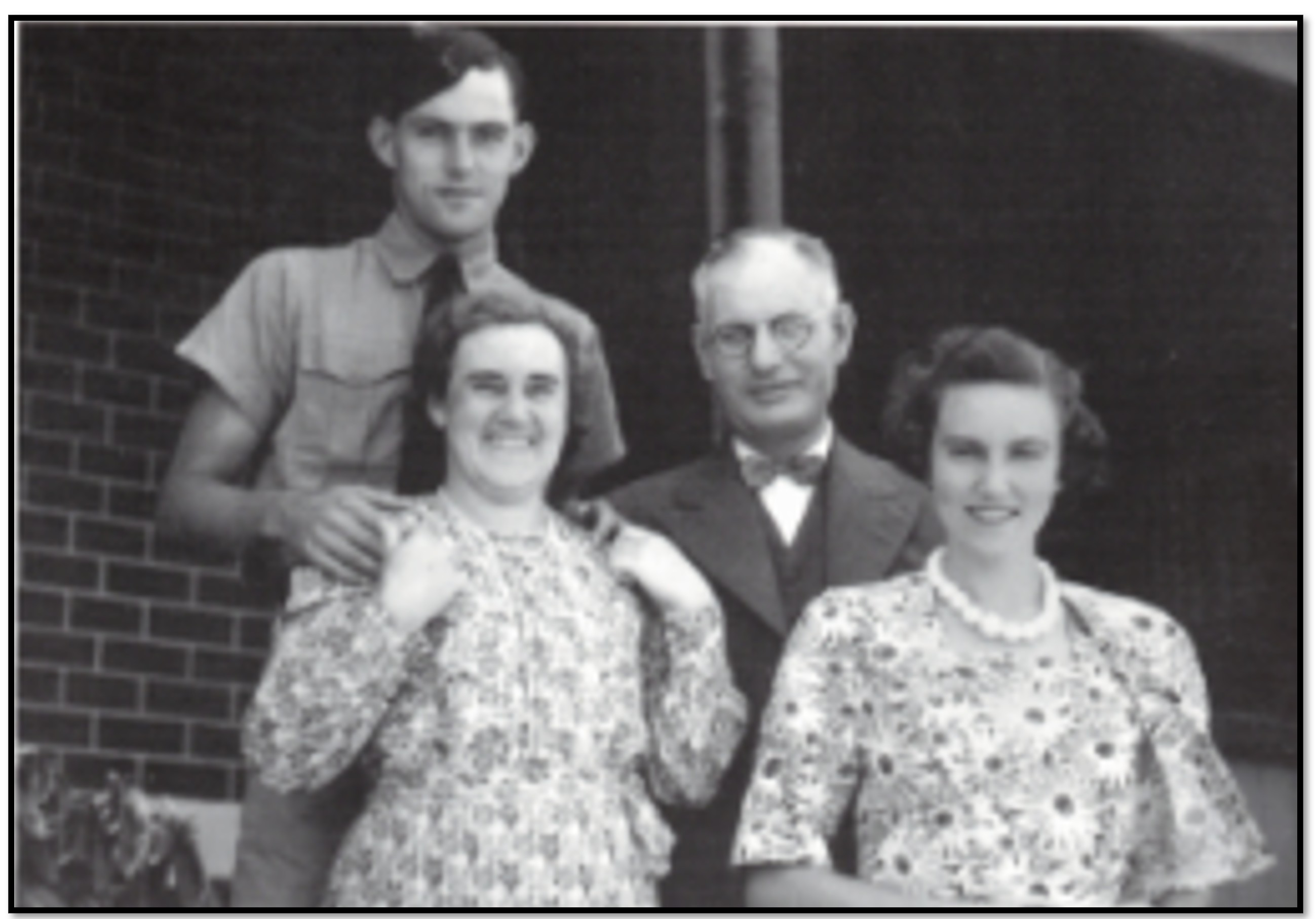
Curtin at home at Cottesloe in Western Australia during his ill-timed visit in January 1942. He was isolated in Perth during the invasion of Rabaul.
As he travelled west, the wartime situation worsened significantly. This was an inappropriate time for him to leave his post with the drama unfolding on the Malay peninsula and then the attack on Rabaul (air attack on 20 January, land attack on 23 January) which was Australian territory. Forde, who chaired the War Cabinet in Curtin’s absence declared that the enemy would certainly make an attack on mainland Australia. When Curtin eventually arrived in Perth the BBC reported that he was on holiday to his chagrin. Curtin responded by claiming that he had imperative work to do with the Western Australian Premier which was unconvincing. [16] Curtin did not arrive back in Melbourne until late on Sunday 1 February, returning to the War Cabinet the following day. He had been absent from 14 meetings of the War Cabinet and the Advisory War Council. A concerned reporter noted that the War Cabinet was not as effective an instrument of Australian national policy as one at which Curtin was present. [17] Singapore was reached by the Japanese and attacked within a week of his return.
As has been shown, there was no threat to continental Australia from a Japanese invasion in 1942. However, there was a widespread perception in the Australian population that this was highly likely due in no small measure to the Curtin Government promoting the threat of invasion. Having thus assessed the threat to Australian shores, it is worth remembering that not all military decisions are predicated by logic. There are numerous occasions in the history of warfare when decisions have been made which defy common sense and a normal military appreciation. An example of this, which is relevant to the period under discussion, is the Japanese decision to capture Port Moresby overland from the north coast of Papua. These events occurred after the Japanese seaborne invasion of Port Moresby was turned back following the Battle of the Coral Sea on 7 May 1942. After the subsequent crushing defeat of the Japanese navy at the Battle of Midway (4-7 June 1942), the FS Operation which planned to isolate Australia by capturing Fiji and Samoa was postponed. This shifted Japanese attention to the possibility of an overland attack on Port Moresby as a joint army-navy operation. With scant knowledge of whether a route existed from Buna to Kokoda and then across the Owen Stanley Ranges an air reconnaissance was commissioned. From this reconnaissance, evidence of a road leading south beyond Kokoda was inconclusive as was whether a supply line could be maintained during an advance across the mountains.
The Commander of the Nankai Shitai (the South Seas Force), Major General Tomitaro Horii was far from supportive of an overland attack on Port Moresby. He recognised the difficulty of maintaining a 5,000 man front line force in the absence of a vehicular road. His headquarters staff completed the calculations for him and just to support his force in nearing Port Moresby for foodstuffs alone, a carrier group of 32,000 was assessed as necessary. This would not have been feasible and of course did not include ammunition and other combat supplies. [18]
Horii’s quite reasonable concerns that an overland advance was at a considerable risk of calamity provoked a degree of caution in the planning staff of the Seventeenth Army (the superior formation). It was decided that any advance towards Port Moresby would be preceded by a feasibility study to be identified as the Ri Operation Study. To this end, a new order was issued on 1 July 1942, that an advance party would land on the northern beaches of Papua and after securing the area, advance as far as the “saddle” of the Owen Stanley Range. In so doing, it would capture the Kokoda airstrip and evaluate the “road”
to Port Moresby for the possibility of a full-scale advance. Such a cautious and reasonable approach might well have uncovered the difficulty and futility of the operation, but this was not to be…
The arrival at Seventeenth Army Headquarters in Davao of a maverick officer fatefully changed the situation. Lieutenant Colonel Masanobu Tsuji, a staff officer at Imperial Headquarters, arrived on 15 July 1942 with the order cancelling the FS Operation to capture Fiji and Samoa. This was a week prior to the intended departure of the Yokoyama Advance Party from Rabaul to Papua. He further advised that Imperial Headquarters now assessed Port Moresby as the priority for attack by the Seventeenth Army without waiting for the results of the Ri Operation Study. Having come under the sanction of the Emperor, the Seventeenth Army immediately prepared new operational plans. The advance party would not be tasked to make a considered evaluation, but would instead set up a base as a combined army-navy operation, advancing to Kokoda. Horii’s main force would then arrive 2 weeks later as the MO Operation and fight its way through the mountain range towards Port Moresby. And this of course is what occurred, with the MO Operation commencing without waiting for a feasibility study to be concluded. Tsuji’s unauthorised intervention became known at Seventeenth Army Headquarters, but it was too late to suspend the MO Operation. Thus, the calamitous MO Operation was a misjudged mission which tied up resources that could have been used more effectively in Tulagi, Guadalcanal or Milne Bay. As well, from the more than 15,000 in the Nankai Shitai who landed on the Papuan north coast few survived and were evacuated. In the combat arms of the Nankai Shitai 5,586 were mobilised in Japan and 1,797 were added as reinforcements. Of these, 5,432 were killed in action or lost, with just 1,951 as survivors. [19] It can be seen why that at General MacArthur’s headquarters a similar assessment as to that made by General Horii, did not give great credence to the possibility of a Japanese force crossing the Owen Stanley Range despite intelligence to the contrary. Landings on the Papuan north coast could be interpreted initially as a furtherance of those landings already made on the New Guinea coast to the west which established protective airfields. The lack of maps, little knowledge of the topography, restrictions on the provision of supplies and severe operating conditions all diminished the possibility of a successful outcome from such an advance.
There can be no doubt that Japan’s strategic planners did not seriously engage in the possibility of invading and occupying continental Australia. They had already been slow to understand that the response of the United States at Guadalcanal was a major offensive which would result in substantial resources being committed to that theatre of war. [20] A concurrent campaign across the Owen Stanley Range towards Port Moresby and perhaps even Australia was not a reasonable or rewarding option.
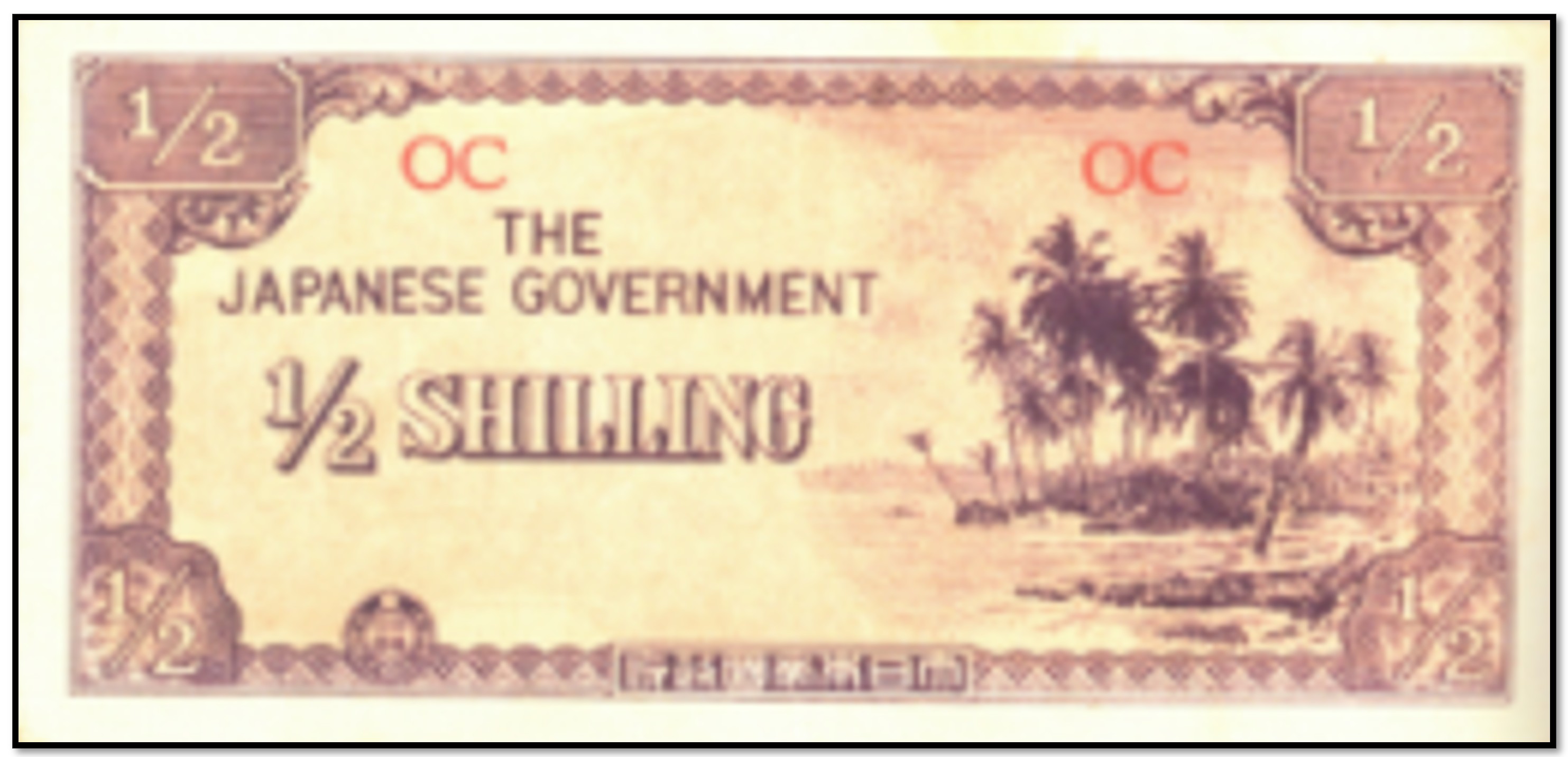
The Japanese central bank produced banknotes for use in the territories that they occupied, such as the Netherlands East Indies, the Philippines and the British Pacific territories. Japanese Government pound notes were employed in the territories of New Guinea and Papua. When Japanese administrative centres were liberated later in the war, quantities of these notes were discovered by Australian servicemen. There is no direct link with these notes to a future attack on Australia. They were to be used in New Guinea and Papua. [21]
As to whatever conclusion may be reached about Curtin’s performance as prime minister during the War, he did not save Australia from invasion. Invasion was unlikely early in the War in the Pacific and became impossible as the year of 1942 progressed. Australia had only faced a potential invasion, even though it had endured air and sea attacks on some of its towns. In conclusion, Japan did not invade Australia, having made a considered decision not to, and as the War progressed, Japan did not have an opportunity to change its mind. But in war, there was always the possibility that it might have, if certain events had taken a different turn…
Presentation to the Land Cover Branch of the Returned Services League, 14 April 2026
Endnotes
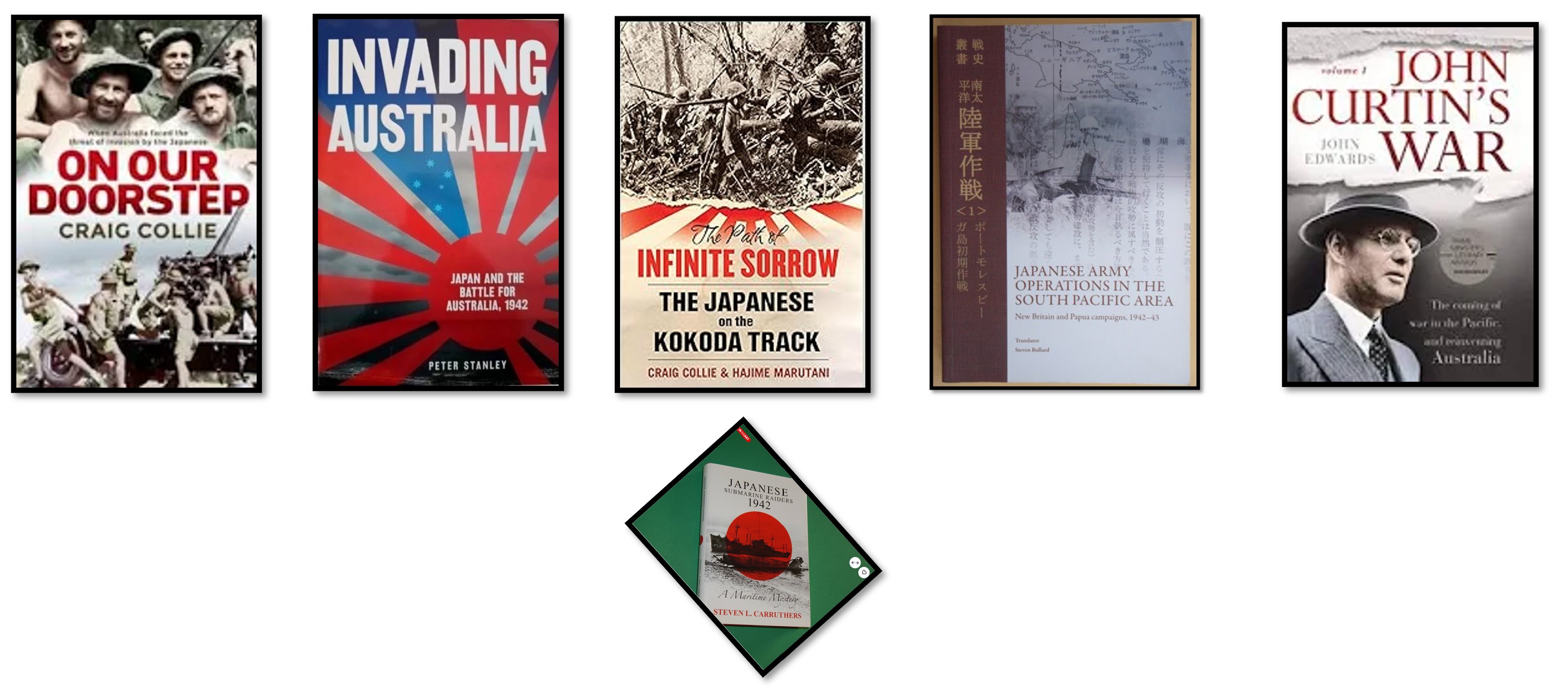
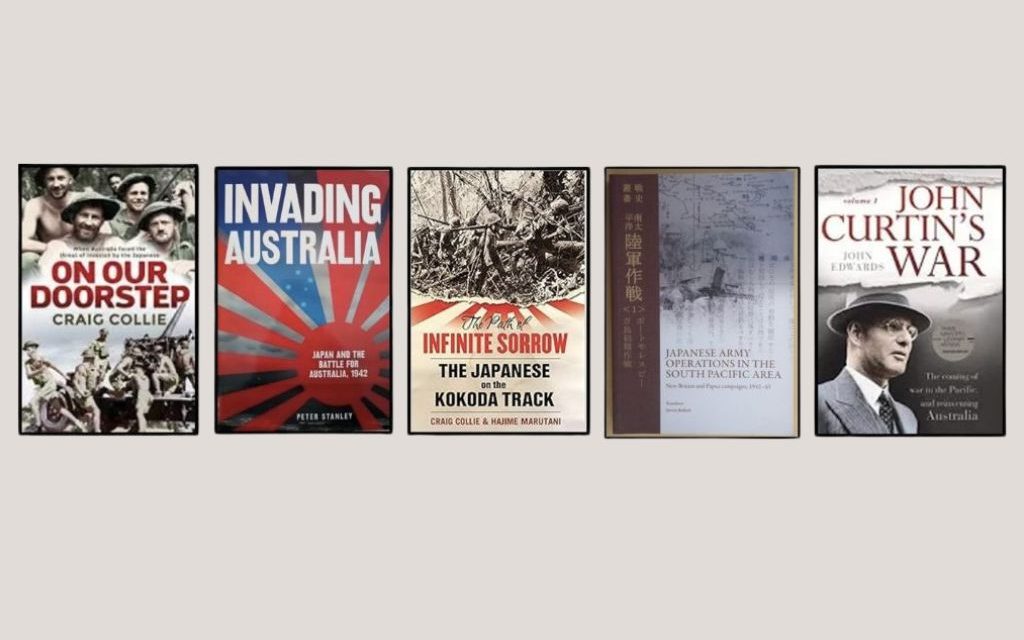
1. Bullard, Steven and Tamura Keiko (eds), (2004), From a Hostile Shore, Australia and Japan at war in New Guinea, Australian War Memorial, Canberra.
2. Stanley, Peter, ‘He’s (not) Coming South: the Invasion that wasn’t’ in Bullard, Steven and Tamura Keiko (eds), (2004), From a Hostile Shore, Australia and Japan at war in New Guinea, Australian War Memorial, Canberra, p. 44.
3. Williams, Peter (2012), ‘Australia’s Thermopylae’, Wartime, Issue 59, Australian War Memorial, Canberra, p. 14.
4. Tanaka Hiromi, ‘Japan in the Pacific War and New Guinea’ in Bullard, Steven and Tamura Keiko (eds), (2004) From a Hostile Shore, Australia and Japan at war in New Guinea, Australian War Memorial, Canberra, p. 30.
5. Bullard, Steven (2012), ‘Were more bombs dropped on Darwin than on Pearl Harbor?’, Wartime, Issue 59, Australian War Memorial, Canberra, pp. 4-5.
6. Curruthers, Steven (2006), Japanese Submarine Raiders, 1942: A Maritime Mystery, Casper Publications, Sydney, p. 32.
7. Jones, Terry, Carruthers, Steven (2013), A Parting Shot, Shelling of Australia by Japanese Submarines 1942, p. 226.
8. Stanley, Peter, ‘He’s (not) Coming South: the Invasion that wasn’t’ in Bullard, Steven and Tamura Keiko (eds), (2004) From a Hostile Shore, Australia and Japan at war in New Guinea, Australian War Memorial, Canberra, p.46.
9. Ibid.
10. Ibid., p.50.
11. Ibid., p. 52.
12. Stanley, Peter, ‘He’s (not) Coming South: the Invasion that wasn’t’ in Bullard, Steven and Tamura Keiko (eds), (2004), From a Hostile Shore, Australia and Japan at war in New Guinea, Australian War Memorial, Canberra, p. 54.
13. Wurth, Bob (2006), Saving Australia, Curtin’s Secret Peace with Japan, Lothian Books, Melbourne, p. 25.
14. Stanley, Peter, ‘He’s (not) Coming South: the Invasion that wasn’t’ in Bullard, Steven and Tamura Keiko (eds), (2004) From a Hostile Shore, Australia and Japan at war in New Guinea, Australian War Memorial, Canberra, p. 54.
15. Wurth, Bob (2013), The Battle for Australia: A Nation and its Leader Under Siege, Pan Macmillan, Sydney, p. 141.
16. Edwards, John (2017), John Curtin’s War, volume 1, Viking, Melbourne, pp. 397-8.
17. Wurth, Bob (2013), The Battle for Australia: A Nation and its Leader Under Siege, Pan Macmillan, Sydney, p. 141.
18. Bullard, Steven (ed and transl), (2007), Japanese Army Operations in the South Pacific Area: New Britain and Papua Campaigns, 1942-43, Australian War Memorial, Canberra, p. 114.
19. Ibid., p. 244.
20. Collie, Craig (2020), On Our Doorstep, Allen & Unwin, Sydney, p. 344. Bullard, Steven (ed and transl), (2007), Japanese Army Operations in the South Pacific Area: New Britain and Papua Campaigns, 1942-43, Australian War Memorial, Canberra, pp. 140, 151.
21. Stanley, Peter (2008), Invading Australia, Japan and the Battle for Australia, 1942, Viking, Melbourne, p. 162.