
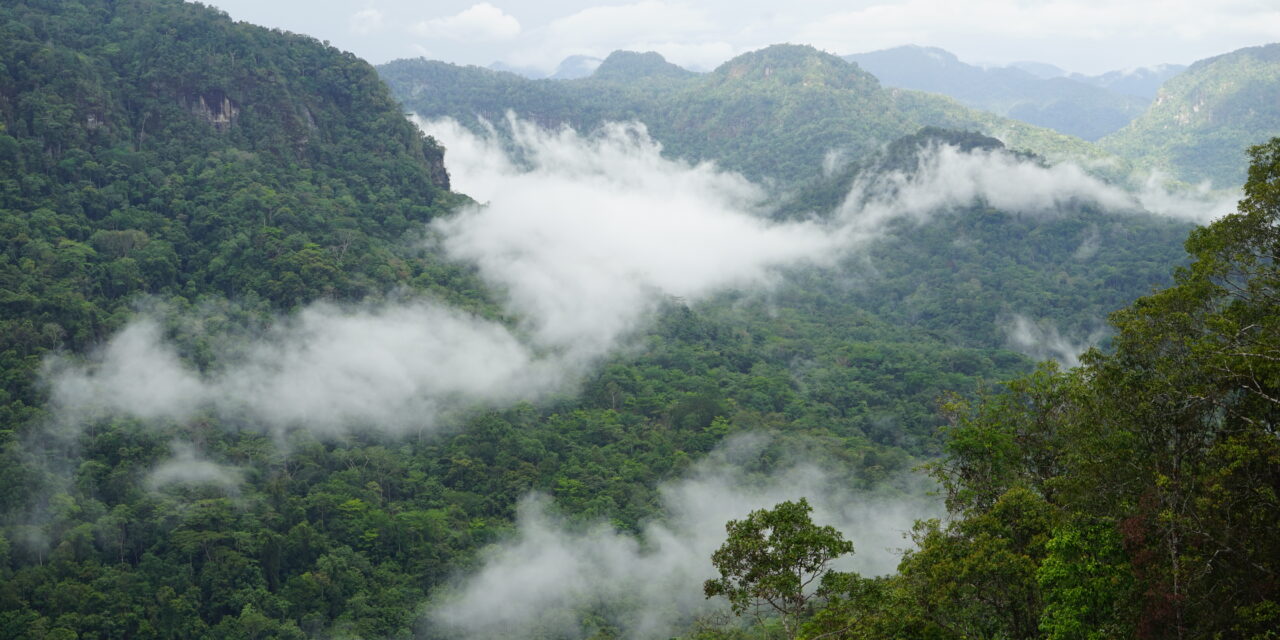
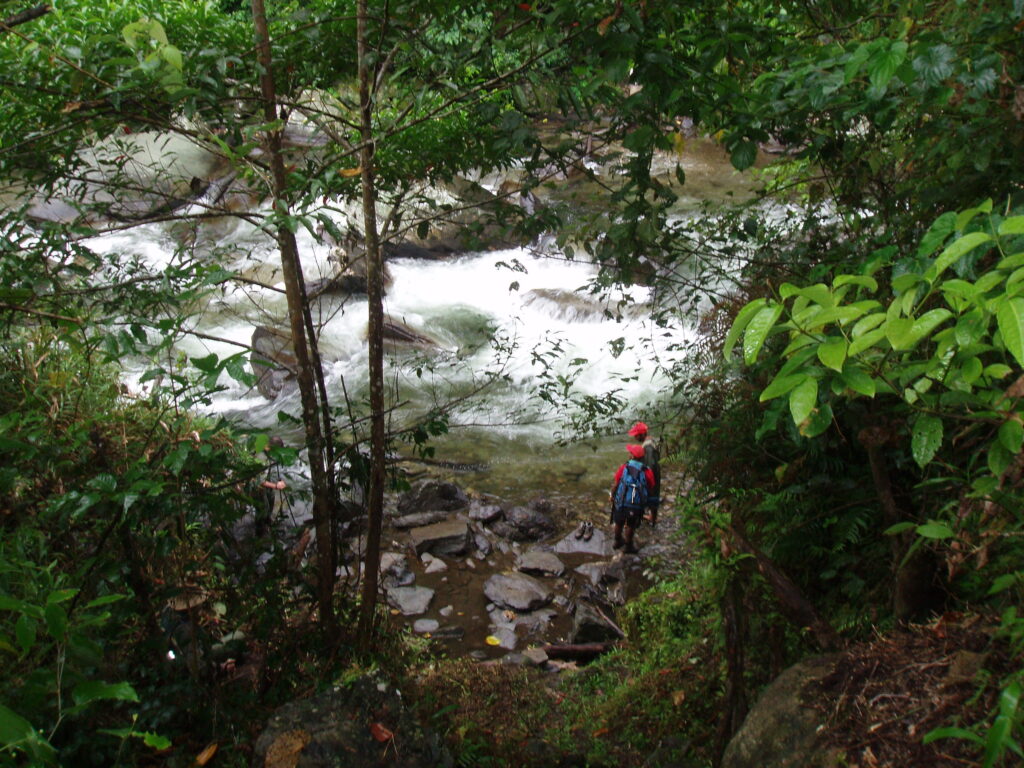
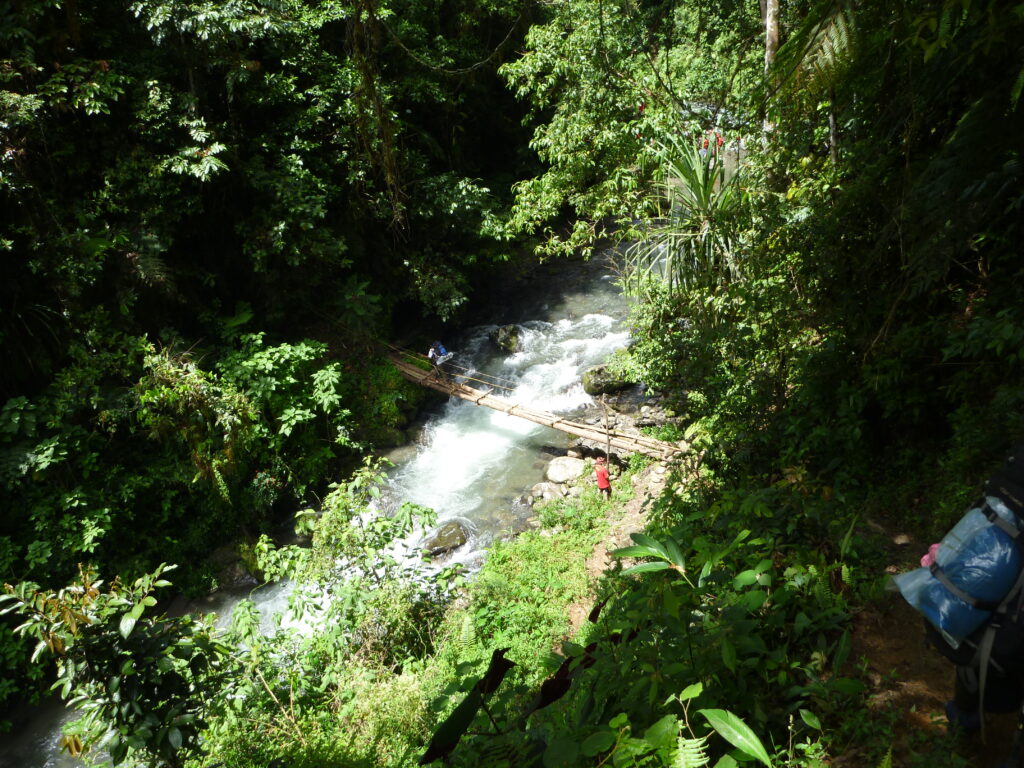
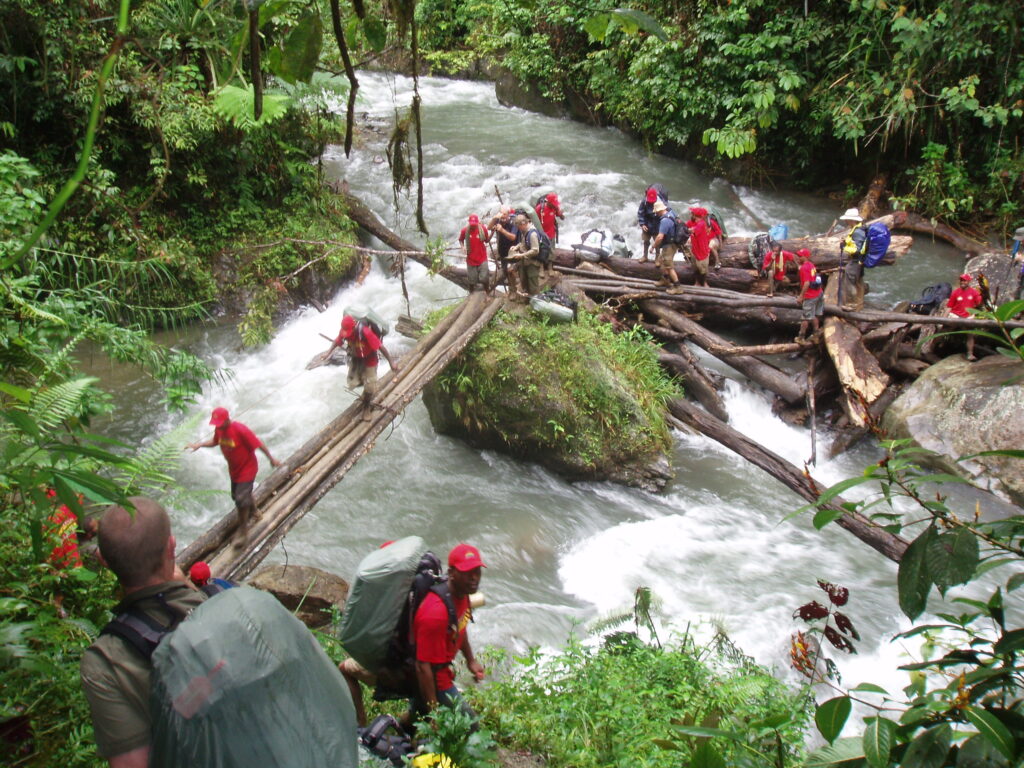
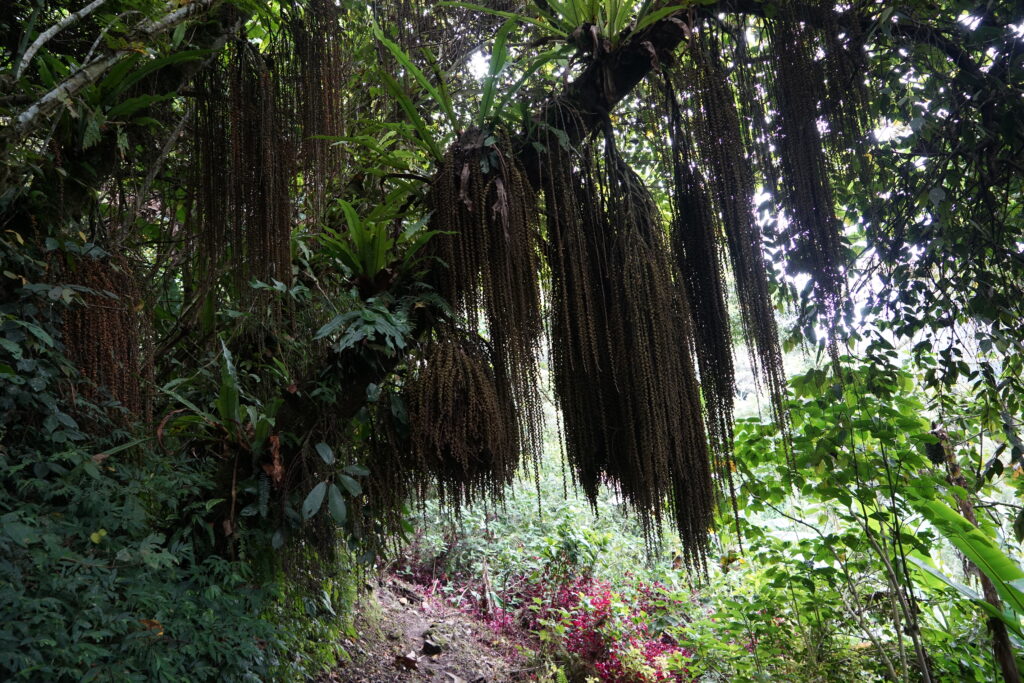
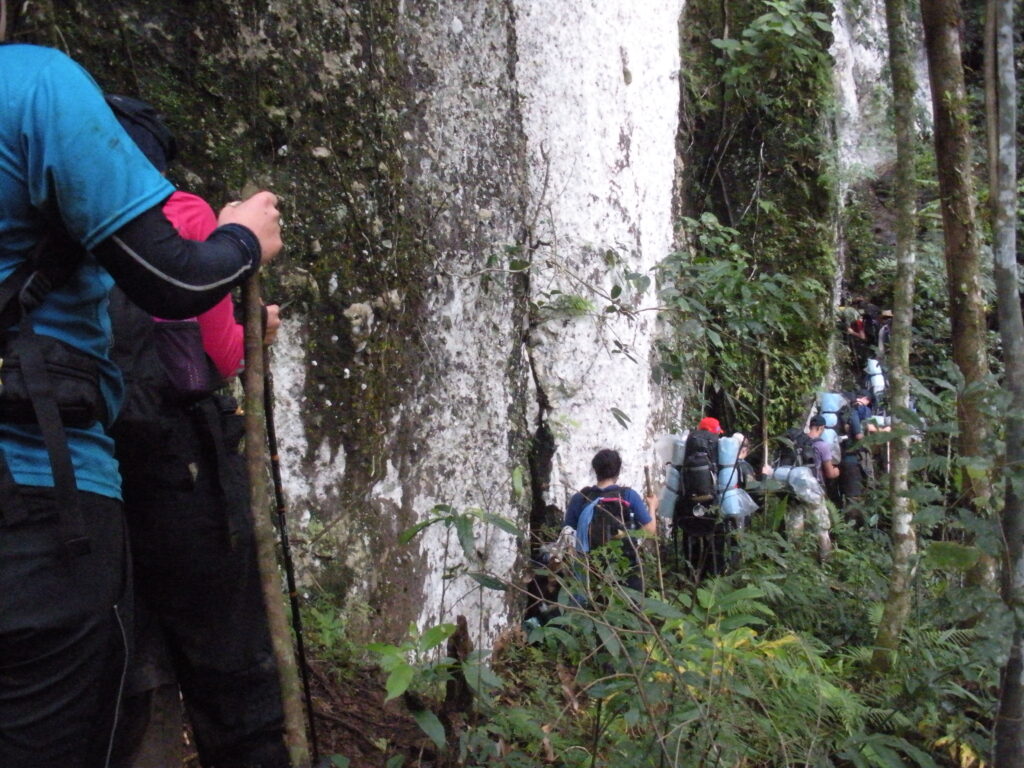
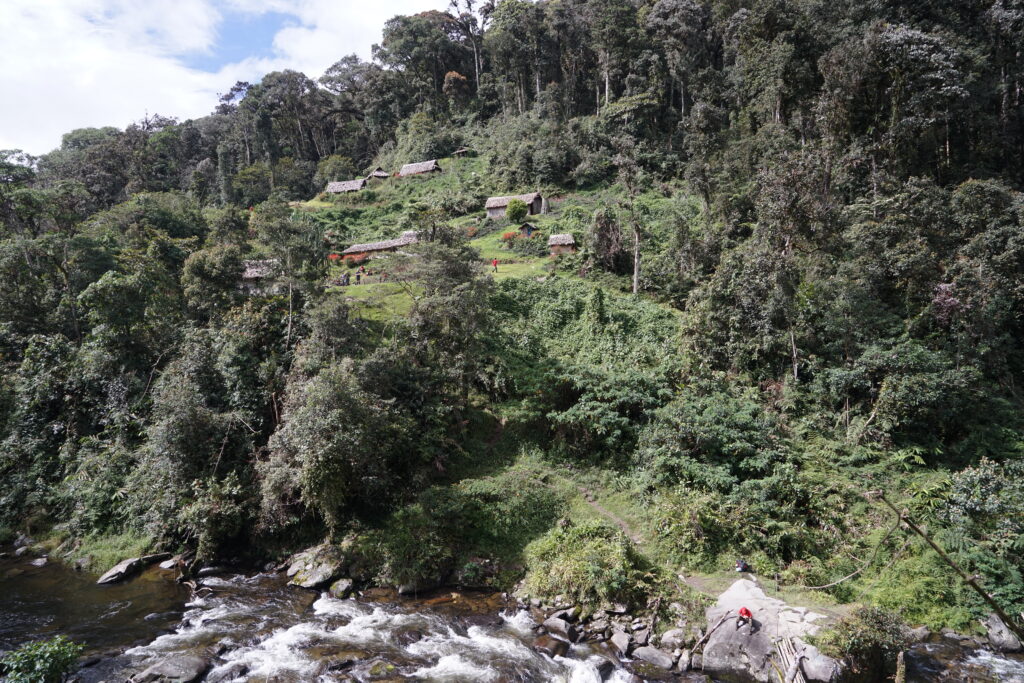
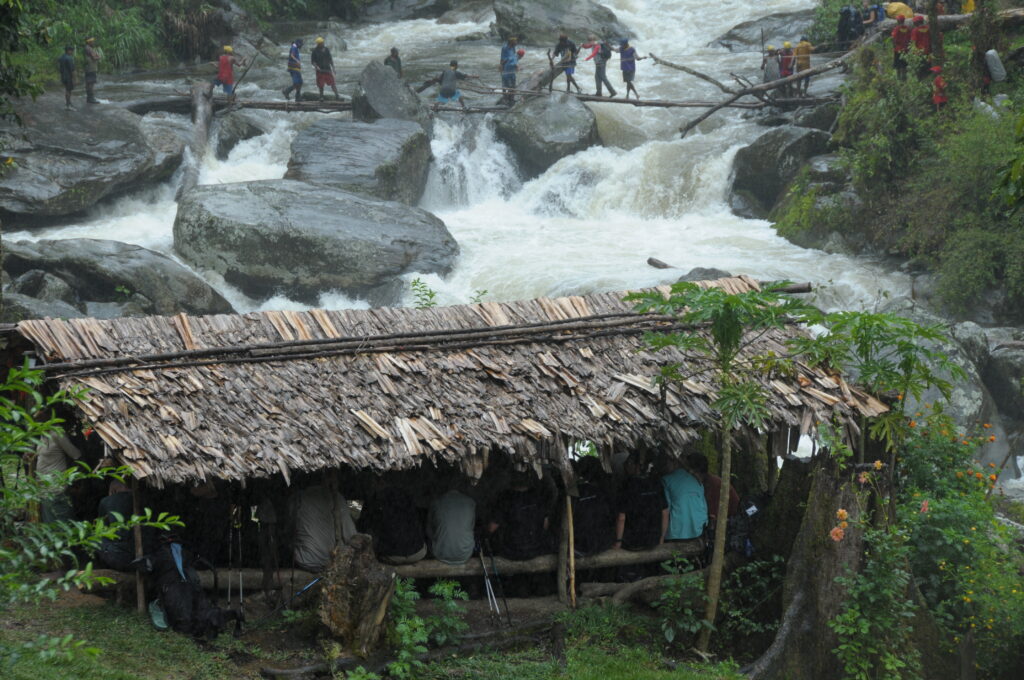
I’ve lost count of the number of times I’ve paused during our treks to marvel at the silence and surrounds of the moment – massive 300 year-old canopy trees supported by large buttress roots with their own eco-systems – stag horns nestled in branches entwined with moss covered vines housing an array of tropical wildflowers and home to birds of paradise; giant pandanus trees; wild creek crossings; impenetrable jungle; magical moss forests; exquisite orchids; and spectacular jungle-covered mountain ranges extending as far as the eye can see.
Trekking through this ancient landscape is akin to a journey through time.
Overlay this with compelling stories of the Kokoda campaign, where desperate young men fought each other in the remote mud and blood of the forbidding, dense jungle, with rifles, bayonets, grenades, and fists for their very survival.
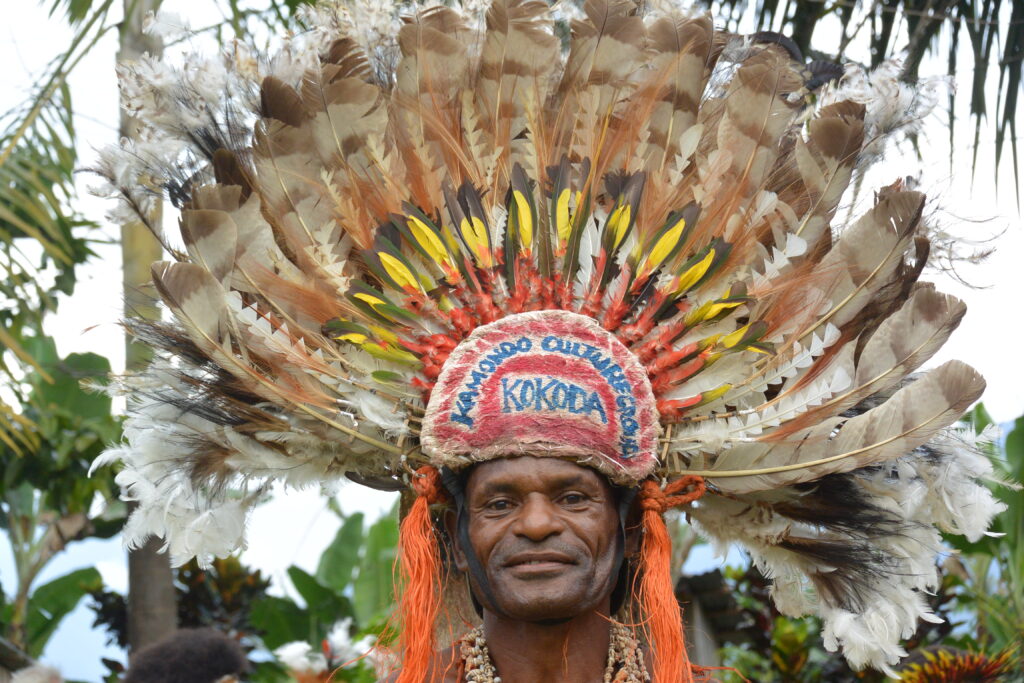
Add the selfless sacrifice of humble Papuans who came from nowhere to rescue young men who could no longer crawl back to their base for help, and you have the basis of a high-value, world-class pilgrimage tourism destination for those interested in our military heritage and who are prepared to walk off the beaten track to seek new horizons and challenge their physical and emotional limits.
It’s a pilgrimage that only those who complete it will ever understand.
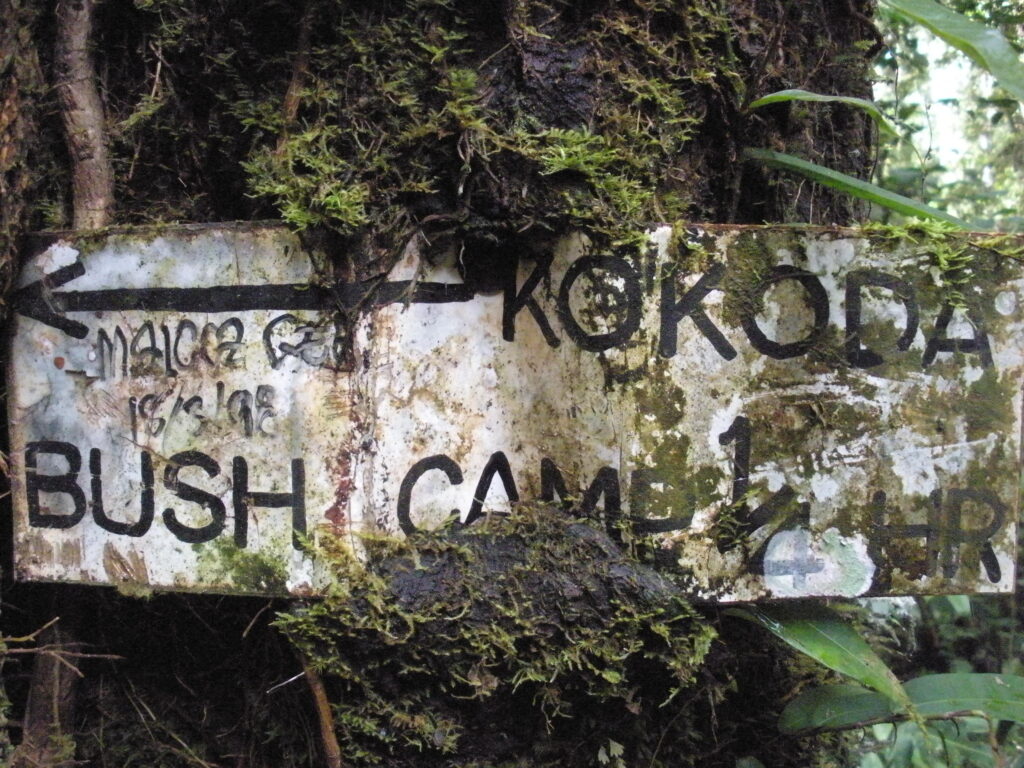
Over the years, we have been committed to ensuring the wartime heritage of the Kokoda Trail is identified, interpreted, honoured and protected.
We have been critical of Canberra’s strategy based on hijacking the word ‘Kokoda’ to give relevance to their environmental, Climate Change, and Gender Equity strategy for the region.
We have also offered our recommendations to manage the Kokoda Trail as a wartime pilgrimage tourism destination based on our collective experiences leading more than 750 expeditions safely acroos the Trail over the past 33 years. These have been ignored thus far however we plan to continue our campaign into 2026.
Links to our Adventure Kokoda Initiatives
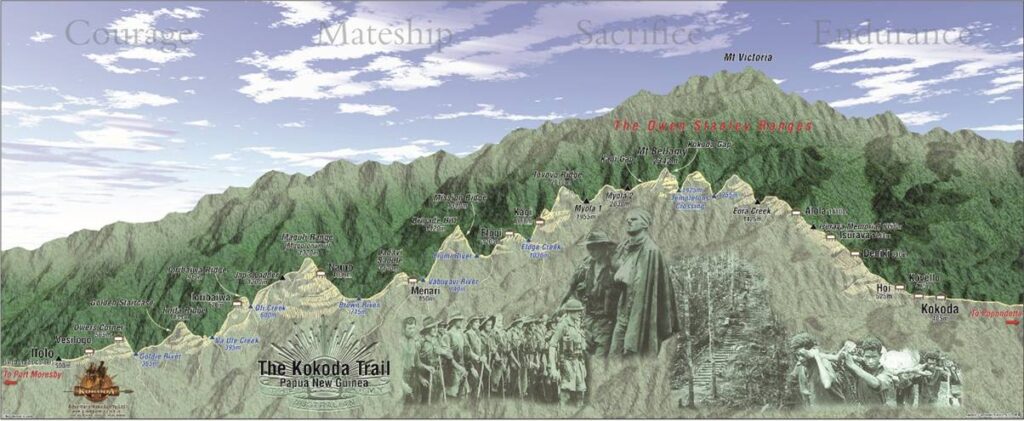
- Mapping the Kokoda Trail
- Proposal for ‘Kokoda Day’ to honour the legacy of the ‘Fuzzy-Wuzzy Angels’
- An expert guide for pilgrimage treks across the Kokoda Trail
- Premium Kokoda Trek Itinerary for military heritage enthusiasts
- 65,000 reasons to reform pilgrimage tourism management across the Kokoda Trail
- A Blueprint for Kokoda Pilgrimage Tourism
- Our Kokoda Charity






Charlie, you are right to do what you are doing; to support and connect not only our veterans, but also all people with even the faintest interest in the Kokoda Trail and PNG. Canberra’s poor support is disheartening. I hope DVA is across what you are doing. I’d also had time in Timor-Leste (civilian) and involved with parts of their communities. Its a similar story with Major Michael Stone running tours, also for our former and current Defence members. Wish you the best. Chris.