‘Army Basic Training — often called boot-camp — prepares recruits for all elements of service: physical, mental and emotional. It gives service members the basic tools necessary to perform the roles that will be assigned to them for the duration of their tour.’
Will Smith – 17 Years
Post–TrekReport: Kokoda Youth Leadership Challenge, 26 September – 6 October 2016
‘It’s hard to know how to begin this statement, to be honest. I don’t know what single point I can start with. I suppose I can open by saying that, without a doubt, the Kokoda Youth Leadership Challenge has been the most life-changing experience of my life.
‘Charlie Lynn and everyone that was involved in the preparation process told me again and again: “You cannot overtrain”. They were right. The Kokoda Trail was an extremely physically and emotionally demanding trek – certainly the hardest thing I’ve ever done. By no means did I come into this challenge underprepared, in fact I personally think I had adequate training, however I wasn’t able to comprehend how much of an arduous trek it was goingto be until I was there in Papua New Guinea and being challenged by it, all day, every day.
‘I had many goals for the Kokoda Trail – for example, “finish the trek uninjured” was my main one. “Introduce myself and meet all the trekkers on day one” was another (which I achieved quite well, before even getting on the plane to Papua New Guinea). “Don’t vomit” was achieved, but only just. “Carry your weight the entire way” – I had no choice but to relinquish this goal so as to assure I achieved the “don’t vomit” goal. And then there was “Don’t cry,” and this would have been possible had I expanded it specifically to why I thought I could be crying – out of fear or hopelessness. I didn’t cry out of fear or hopelessness, I stayed positive the whole time. But I did cry.
‘You see, I never could have imagined how huge of an impact the history of the Kokoda Trail and the Kokoda Campaign could have had on me. I couldn’t understand how I would be affected by those stories until I was walking in the footsteps of our servicemen. The Kokoda Trail really forced me to dig deep and connect with the culture – both ours and Papua New Guinea’s – and led me to a new perspective of appreciation, about who we are as communities, and as nations, but most of all, as individuals. The mind is a powerful thing, and after hearing Charlie’s speeches about leadership potential and capability in young people – about the positivity in the world and one’s ability to make a difference – I feel really empowered and inspired to be something in my lifetime. I want to make a difference in at least one small way or another, and I know I will because I’m determined to see that happen.
‘I learnt with the Kokoda Youth Leadership Challenge, and surrounded by my fellow trekkers, that I am more capable of my future than the world around me might suggest. I am able to achieve anything I want to achieve if I apply myself and work towards that goal – complacency is the thing that drags me down. With Charlie Lynn leading us, we were briefed on the historical and cultural significance of every hill and every valley. There was nothing that was just as it seemed. It really put our society back in Australia into perspective. I learnt about the Kokoda Campaign in much detail and about the great cultural significance that it should hold in our society. More than anything else though, I gained a stronger appreciation for the life I am privileged to live. I think the trekkers around me took away similar messages, and I saw it show outwardly in the manner in which they interacted with me and the people around them.
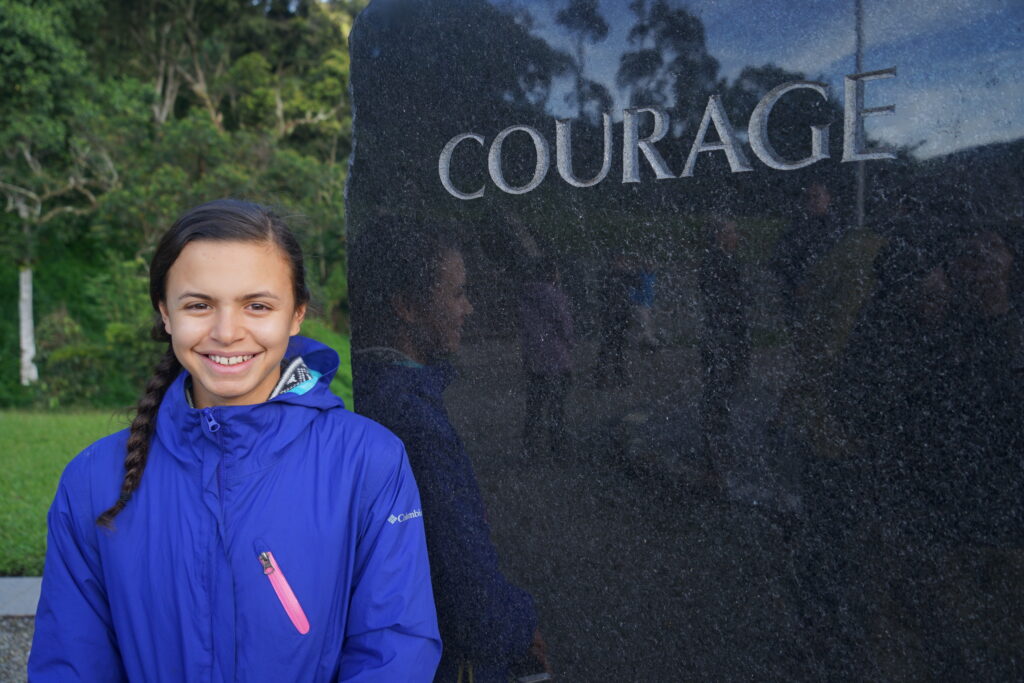
‘I presented a short speech to my school upon my return but due to the time restrictions it was shortened to a very casual anecdote of sorts. I spoke of my experience and I encouraged an interest in the history of the Kokoda Campaign. The thing I did get to touch on in my short speech was the Isurava Memorial, and how there were these four marble pillars there that really encompassed what it was to be Australian. They read “courage,” “endurance,” “mateship,” and “sacrifice.” I broke down emotionally several times at the Isurava Memorial site. It was an incredibly powerful place. I found that the four attributes engraved on the pillars can really be applied to the qualities that make great Australians today. Mateship in particular is still very prevalent throughout our society. I think, after trekking the eight days it took to arrive at the Isurava Memorial, the marble pillar engraved “Sacrifice” really seemed especially significant to me. I believe that the sacrifice that our soldiers gave back in 1942 was the ultimatechoice– to give their lives so that others could have theirs – and I think that quality in particular is deserving of the utmost of respect from all Australians.
‘I’d like to think I already had a very fair understanding of leadership before I embarked on this journey. It had become quite apparent to me in recent years that leadership is very much about being a role model, and the cooperation and teamwork with the people that you lead. My experiences have shown me this; that together, with proper leadership, trust and respect, people can achieve amazing success. This understanding was reinforced by my experience with the Kokoda Youth Leadership Challenge. However I did gain new understandings – and that was cooperation not only with those you lead, but also other leaders. Charlie Lynn presented an interesting model of Action-Takers, Thinkers, and Carers, and that the most effective leadership needs qualities from all three. I found this to be quite an impressive interpretation and I know in the future I’ll be considering this model with the people I should lead and work with.
‘I couldn’t have asked for a better experience, to be quite frank. Charlie asked us to provide advice as to how we could improve the program, but I can’t think of a single thing I would have had different. To Charlie I would say, if every Kokoda Youth Leadership Challenge group could have a trek leader as experienced, as passionate, and as much of a role model as he was to us, that would provide each and every year’s worth of trekkers with the perfect understanding and appreciation of historical and cultural significance and there’s no better way to continue the legacy of Kokoda than the proper education and leadership of the youth. We were incredibly privileged to have Charlie Lynn lead us. To Gosford RSL, I thank tremendously for selecting me and allowing me with this amazing opportunity to follow in the footsteps of our soldiers and to really recognise the importance of the Kokoda Campaign and the country we live in. To CashCard, who sponsored me, an enormous thank you as well, for getting me there. Showing my gratitude in thanks just isn’t enough to those who sponsored, supported, lead, and believed in me. It was an unfathomable experience that will struggle to ever be matched in my lifetime.
‘Thank you.’
Our Adventure Kokoda Pilgrimages for Schools are based on the principles of army ‘boot-camps‘ – they are unique because they can be shared with student mentors such as teachers, coaches, and parents.
The program disconnects our ‘recruits’ from the virtual universe they inhabit in today’s society and transports them to a foreign ‘land of the unexpected’ to relive the physically challenging experiences of our young diggers during the Kokoda campaign in 1942 – without the bullets!
We have graduated more than 750 young Australians from all walks of life in our schools programs such as the annual ‘Kokoda Youth Leadership Challenge’ sponsored by the NSW RSL Services Clubs Association, the Kings School, Panther’s on the Prowl, Punchbowl Boys High School and Lomandra School over the past decade – our testimonials indicate that results have far exceeded expectations.
Our ‘recruits’ develop self-confidence as they conquer physical challenges and gain an understanding of personal leadership through discussion and the sharing of stories relating to sacrifice, courage, endurance, mateship and personal integrity.
They also develop an appreciation of the diverse cultures of our closest neighbour; the awesome variety of the rugged, pristine environment; and the resilience of remote, subsistence villagers.
But more importantly they get to appreciate the ability of the human spirit to conquer adversity and the power of inter-dependency within a team environment.
Adventure Kokoda is an Approved Activity Provider of the Duke of Edinburgh International Awards program.
Kokoda Leadership
Kokoda leadership is based on our wartime experiences and the Australian concept of leadership.
Australia’s wartime leaders were not the inheritors of British family or military title, or the descendants of American military dynasties that started with the War of Independence and progressed through wars against Indians, Mexicans and finally themselves in the Civil War.
Australian leaders came from a different stock in 1942. When the call came to defend our country against imminent invasion it was answered by volunteers from cities, towns, and the outback – some even left school to join up!
Our army was not advanced enough to have an elite officer corps – so many of our leaders emerged as a result of their performance on the field of battle. They emerged because they earned the respect and trust of their peers because of their personal courage, their ability to think under duress, their loyalty to their leaders and subordinates alike, and their compassion for those they led.
During our Kokoda ‘boot-camps’ students will learn about their own inner strengths and weaknesses and appreciate that it is quite normal to have both. They will learn about the need to seek to understand before being understood. They learn about the ability of the human spirit to conquer adversity and draw inspiration from the stories of survival and sacrifice during the Kokoda campaign.
They achieve a practical understanding the fundamentals of leadership. It is a truism that leadership in the cauldron of war is the most testing of all. This is where a leader must inspire troops to go where they might fear to tread; to encourage them to push themselves beyond endurance; to instil in them the values of courage, loyalty, and trust; to develop teamwork, encourage personal initiative along with a sense of responsibility – and much more.
Kokoda provides many practical leadership examples – good and bad – and as their pilgrimage progresses through the various wartime battlefield presentations these lessons are revealed through briefing and discussion which informs students of the characteristics and qualities required to be an effective leader.
LINDA ADAMS – 19-Year-Old University of Western Sydney (Macarthur) Student
Linda’s diary as a participant in the inagural University of Western Sydney (Macarthur) Kokoda Leadership Program:
DAY 1: Thursday, 9 July 1998
I flew off scared. Not scared of whether or not I can do this but scared of how I will react to the challenge and exactly what that will tell me about myself and how others perceive me.
Long day. Amazed by how different the sense of this place is despite just how close it is to home.
Stunned. The reality of what I am about to set upon has finally hit me, and I am reminded of the fact that this is just the beginning.
In our group this evening I realised that most of us want to learn how to work as part of a group. We have all been so focused I dly that were still to learn how others can nurture and even bring out what things lie within ourselves.
What do I want from Kokoda? I want a sense of realism. I want to feel life in its purest and rawest sense. I want to know just how much fight I have in me. I want to learn how to relate with others so that we all realise the same end goal.I also want to begin the search for faith, because just now I am aware of the fact that I will need it in some form or another to get me to Kokoda.
DAY 2: Friday, 10 July 1998
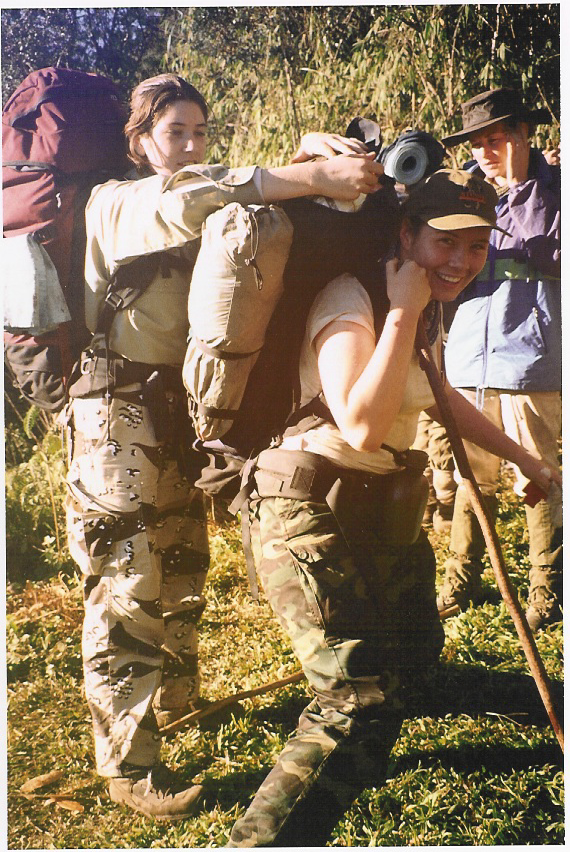
I have an extremely good reason for not writing last night … I was walking. The thing that gets to me is that it could’ve been avoided. I’m not too flustered by it though because I have discovered by ability to appreciate and care for others when I am feeling pretty darn low myself. I was convinced before coming here that I’d discover a terribly selfish part of me, I was wrong. I guess I’m not really as bad as I had first perceived. Maybe ’legendary Linda’ (Maree) is not such a bad person after all.I am also shocked at myself for not being sore. I think that I must be delusional. I am aware of the fact that when you know you’re going to be walking for God knows how long, you just keep going, despite how you feel. Pain is not a factor when giving up is not an option.
The jungle is so inspiring. I just might find it in myself to draw again after being rejected from Artexpress in the very last cull. I guess that the ticket was right … this is paradise and the whole experience of Kokoda is humbling. I am very small. I haven cried yet … I’m still too proud.We did have some problems last night. Helen got sick, but she’s a true battler, and in the Kokoda spirit she just kept soldiering on. Maree’s been hit by the struggle Kokoda will hold for her and, surprised me by gaining a second wind. She has decided to rise to the challenge. Cindy, I don’t know why, but she has a defeatist mentality. I am finding it really hard myself to handle someone who is being so negative. It’s hard to have sympathy for somebody who just doesn’t seem to be giving her all. I guess she might just help me learn something about my low tolerance level when it comes to weaknesses. Maybe Cindy will show me how to see positive attributes in a person who is so reliant on others to get through the day. Maybe I’ll just have to experience a humbling low before I can understand it.
Day 3: Saturday, 11 July 1998
A little sleep and so began the ’easy day’. We had a frank team talk and decided that our goal was to plug it away together. The team’s desire to reach our day’s goal together was very strong until well after lunch. Then Helen got sick. Her constant struggle gave three others an excuse to slacken off a bit.Today was very emotionally trying. Those of us who could were constantly supporting those that ’couldn’t. This wasn’t too tough on me until I started to get the feeling that some of us just ’wouldn’t. No matter what any of us said could make the day go faster.What I found was that when the ’weaker’ ones responded to the ’come-ons’ I had a lot more drive in me that when I kept hearing the word ’can’t’. I found this really draining. Perhaps I have changed a little already. I think I am now conscious of the group mentality and have adapted my personal desires to those held by the team. I have decided that we’re all going to make it to Kokoda, even if I have to drag the bloody lot of them up those hills.Today we didn’t reach our planned destination but we finally came together, even if it did take a terrible low for us to achieve that.The day started out really well, our spirits were high and we moved along slowly but surely. I felt positive about the day as well as a new energy that had come from within as an answer to the general positive connection of the team.When Cindy had another moment of defeat the whole team’s psyche fell a couple of notches. It was at this point that I realised the close connection between our personal feelings and that of the entire team. It’s only day 3 and already we are a highly cohesive group. That’s got to be impressive within itself.
After distributing Elise’s pack, something which was very hard for all of us, especially Cindy, we pushed onto Nauro.Now Nauro is a story. I’m writing this 5 minutes after it happened and am still utterly stunned by the feelings running through me. We met our first village. Just as I had become convinced that Kokoda was beautiful scenery, I learnt that the beauty of Kokoda was the people. They are poor, bordering on destitute but have more than we could ever hope to achieve. If I reach their level of contentment within my own life I will have reached by highest goal. They are so happy. There is a closeness between them that has forced me to look at my own relationships in a frenzied attempt to find something just as special.
I am utterly humbled by them, they came to sing to us, one village group had walked for over an hour, that means three hours our time. They are intensely shy. If you smile at them they turn their heads and giggle, purity personified.And when they sang. The closest thing to angel’s voices. And what amazed me even more was that they weren’t aware of just how beautiful they all sounded. From them and the fact that I have forgotten what I look like, I have finally become aware of the fact that beauty is in being, it is in faith and in passion and ones ability to genuinely care for others …. skin just holds the spirit inside you, it stops it from flying up to heaven.
I cried. Not from exhaustion, although I know that if I let it, it would totally overcome me, but because it has taken me so long to become conscious of something so very simple. I took a simple living people whose strength comes from each other and their God to teach me something I have known all along. I absolutely love this place and right now, would not care if I never went home because right now, from the perspective that I have been looking at the world from, home is sterile. Home is constructed, artificial, consumed by inanimates, things I no longer have desire for, or care to be involved with.I now know that I’m doing law because I care …. money … pah! I now know how much more important I have to build my family up in my own eyes, and I know myself for the first time after two years of searching it has taken three days in this glorious place, not only to reach this conclusion but to finally become it. I am no longer afraid of myself and feeling like me and not somebody else. I know what I can do, and so far, I have not reached my limit. I like who I am and that means that I have a deeper appreciation for the people around me.
I am making companions for all time because Kokoda can never be expressed in words. Perhaps in a deep sigh, or a little glance upward, or the smile, the smile that makes you feel like your face is going to split but no words. Kokoda is a spirit I now have within me, and I’m actually looking forward to the 14-plus-hour day we have ahead of us tomorrow!
Day 4: Sunday, 12 July 1998
Tomorrow Myola!!! I’m gonna sleep and sleep and sleep!! I’m gonna eat then eat then sleep some more!!
’m still loving this place. From now on when I meditate I’ve got a mantra that beats ’ohm’ to a pulp. I have a vision, a vision of 30 or so men, women and children singing to me and asking questions like ’what colour is the soul?’.
We went really well today. We’re about, oh, I don’t know how far behind but we finally made a team goal.We decided that we wanted to reach Efogi and aimed at doing that, when Charlie said at lunch that would be impossible, we settled on reaching the top of Brigade Hill. It took 18 hours of walking to get us up there but we did it.
I was team leader for the second half of the day and it was my job to get the troops up that ’speed bump’. There was a lot of tension so I let the healthy people go ahead and I chose to stay with the slower group. This was the most difficult decision I have had to make so far. I had to put aside what I wanted and do what I knew I had to. For the first time I felt like one of them, but none of them, and all the while trying to be positive and lead.
I think this is perhaps the most frightening experience so far ….. feeling weak.
Day 5: Monday, 13 July 1998
Last night I was terrorised by a wild pig. Pure fear.
The day began with a speech at the memorial at the top of Brigade Hill. We soon found out that we were sitting at the grave sites of 72 Australian soldiers. I cried. I cried for the pain I am feeling physically and for my inability to ever comprehend just how these men could have been feeling mentally especially, and physically.I’m here and I will still never really understand. I can only ever imagine. I also learnt that politics depends on trends … Kokoda was not a campaign that the government thought that it could flog off to the people so as to build support and stinking morale so they just ignored it … ’bloody bureaucrats’.
We walked down the ’hill’ to Efogi 1 where we met the man who buried these 72 men at the age of 15. We saw a couple of guns that these men’s lives depended on, a couple of dog tags and some change. To see this man that has done such an unbelievable service to Australia brimming with pride but without thanks from the Australian Government really pissed me off. His only thanks comes from people like us. Stinky trekkers who care enough about what happened here to visit him and simply shake his hand.The hospitality of these tribes are amazing. They have all been truly happy to see us.We continued from Efogi 1 to Efogi 2. When we reached it we found that Jill and Helen were far too ill to continue so today, they were flown out. We waved to them from the top of the next hill as we continues on to Naduri. I am deeply saddened by our loss of them. They had so much desire to go on, probably more than a few of us who are still ’able’. Shit happens. We will insist that they get shirts and hats.
Today certainly seemed to be the day for crying. As we waited for everybody on the top of a ridge before Naduri we were told that we were to receive a welcome. When we were all together we continued on only to find a path paved with flowers, banana leaves and ferns. I was astounded. Never before in my life have I felt just so special. These people had spent probably hours preparing this for us just because we came with Charlie.
As we came to the end of the flower path we were greeted by the villagers of Naduri standing behind an archway hung with flowers. Then they sang. I let a few tears fall. I cannot get used to feeling so completely happy all of the time regardless of how physically tired I am. My feet are raw, I have a heat rash all over my shoulders from my backpack straps and considering that it took us about 18 hours to get here, my muscles are a little tired.
After the singing, Alex’s mum threw flowers at us as we entered the village. We walked on through shaking each person’s hand, I tried desperately to think of something other than ’hello’ or ‘thank you’ but the whole intensity of the moment had left me dumb. Staying on the flower path we were shown to a hut covered in flowers with a table overflowing with flowers and fruit. Again, I was totally overcome. I now know the true feeling of humbleness and I surprised myself in that this is something I cannot recall feeling before.We sang and danced into the night. I don’t think I have ever laughed so hard or had so much fun. The children are angelic, their faces light up as their voices fill the air. These people make me think that life and how we Westerners live it have managed to miss something. I now know how to appreciate the little things. Right now, I could not ask for anything more. I am very lucky to be me.
Day 6: Tuesday, 14 July 1998
I met Ovoru. A ’fuzzy-wuzzy angel’. I have never felt such a sense of pride from somebody before. He wears his police uniform, a hat with a rising sun on it given to him by a trekker, a service medal and an RSL badge.
He is the reason I’m going to do something.We walked from about 9.00am to 11.00pm. We camped on top of Kokoda Gap under the moonlight, and so close to the stars I could’ve touched them. Now I know how insignificant I am compared to the great mother nature.
Day 7: Wednesday, 15 July 1998
Woke up cold but watched the sun rise above the cloud line. Never before have I seen such wonders. We walked downhill and came to Templeton’s Crossing. The day started out really well, my spirits were high for the most part of the morning. Then we had another Cindy confrontation. I keep seeing myself in that girl and I think that’s why she frustrates me. I know she can do it on her own but I think she’s just too scared. She still hasn’t let go of home.
With these feelings of her I found it really hard to be the ’strong’ one. I had a moment of selfishness, where I had just had enough of being so goddamn positive all the time and carrying these people’s spirits all the time. Today was a physically tough day for me and I just cracked. I wanted a weak day but I couldn’t afford to place any more pressure on the team by asking for help. I am too proud to anyway. I had reached my breaking point, I could not give anymore. I went ahead. Sarah followed me being the highly perceptive legend that she is and gave me a shoulder to cry on. I shocked myself. I thought I was a bottomless pit of happiness and giving but guess what! I was wrong. I’m human.I need to recognise my ego and learn to focus on it because for too long I think I have mistaken ego for sheer pride.
I have become a lot more open about my feelings. Something I have learnt from Sue. I have made lifelong friends in the space of just seven days.
Day 8: 16 July 1998
We built a bridge over Eora Creek. I’ve never been prouder of something I’ve helped to create before in my life. I know that none of my art has soul.
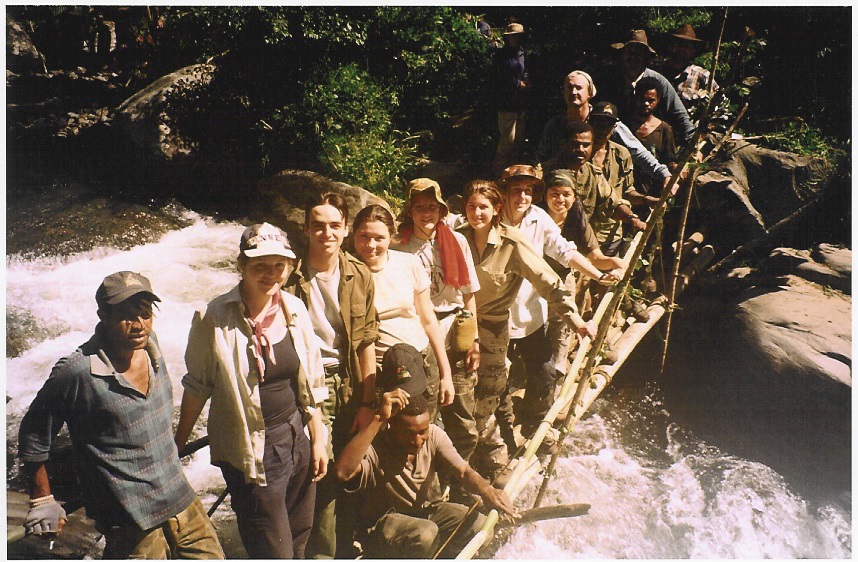
This is something really hard for me to admit but I know it’s because for too long I have focused on how my paintings look rather than how they feel.
I’m writing this in Day 9 and am finding it very hard to remember what happened yesterday. The days have started melting into each other. All I know is that we walk for at least 12 hours a day and that my patience is wearing thin.I’m tired, I’m sore and despite how much I love this place, I’m feeling the effects of being here for eight days.
Last night we walked in the dark for about three hours. Thank goodness for singing and screaming.
What’s worse though is how mentally drained I’ve become. I realise that I haven’t yet felt a mediocre emotion. I have felt things in their purest and most crippling sense. Every emotion I have felt has been absolute. I know that these great highs and lows are taking their toll on me.
We sat on the site of old Isurava, I sat where the battle that saved Australia took place, too much to totally comprehend. Wow.
Day 9: 17 July 1998
Woke up at Isurava. I love my fellow trekkers. It’s funny how you come to know complete strangers inside and out. U know on a regular kind of holiday none of this closeness could have come about. It’s Kokoda that’s doing it. Every one of us is out of our element and reaching out for some kind of solace. I’m very lucky to be ’stranded’ with these people.
Despite the pain, there’s always a laugh to be had, a song to be sung and a kind of honesty about that is truly refreshing. Kokoda is changing me. I can feel it slowly seeping into my soul. Little things now get me through the day. A pat on the head from Tom or a ’hey sexy babe’ from Maree. I know I’m coming home tuned into those little everyday occurrences and just how important they are in the type of society so many of us feel victims of.
Kokoda has given me my spirit. I can recognise it, and although I cannot yet describe it, I know it.We walked up a hill near Isurava and saw a Japanese fighting plane. For the very first time in my life I had the opportunity to see with my own eyes something you wouldn’t even find in a history text book. Three hours later we came down the hill. I was shitty, Cindy complained about how long it took and I was dumbfounded by her priorities. I know it’s because she’s still scared of holding us up.
My feet were the sorest they’d ever been. My little toe is very inflamed. Every step gives me an excuse to stop but my bloody mind is made up. Either way, no-one would let me give up, they care too much.Started walking again, as we hit fields of choko vines it started to rain. And hard. Now I was wet, sore and tired. I felt like utter crap. Everybody’s spirits were down. We ate lunch in the rain and walked for another four hours until we came to Hoi village.
We’ve reached the final pit-stop before Kokoda. It was raining, I didn’t care. I stood out in the rain with Nicola and Sarah and sang ‘It’s raining men’.
Bitten by the silly bug we went down to the river. It was quite a wide one with lots of big rocks and steep descents. We decided to go rock sliding. I don’t think I’ve ever laughed so hard. We just jumped in with our clothes on. Tom got rock shards in his big toe, Katrina and I got bruised bums, and Nicola nearly got swept downstream.
We got out, stood under a tarp the boys had put up and stood near the fire.
The locals brought us food. PNG bananas, sweet potato, more of that green stuff and bananas.
Charlie, after lots of sucking up and cuddling, let us all sleep under the tarp. I slept in between Katrina and Tom. Tom, jealous of my air mattress, kept using me as a pillow. I’ve known the bloke for 10 days and we’re already acting like brother and sister. He’s a very beautiful person. At one point I was tossing and turning and he put his arm around me and patted my back until I settled, just like a father.
We woke up at about 6.00am the next morning.
Day 10, 18 July 1998
I was a little confused this morning. It’s all over. In about two hours I will be on plane flying in 20 minutes what took us 10 days.
I don’t want this whole experience to end. I want to hold onto it forever because I’m scared that as soon as I begin talking or reminiscing about it in past tense my memories will slowly become fragmented and fade. I don’t want to go home. I have become Kokoda and I don’t think that I can let enough of it go to slip back into life as it is at home.
I’m scared, sad and a little lost.I spoke with Katrina and Sue as we hobbled towards Kokoda about how things are going to be when we get back. We’re all scared that we might change back into our old selves. We’re also a little apprehensive about how we’re all going to hold onto this feeling of closeness we all now feel towards each other. Will it fade just like memories of Kokoda? We want to keep it all alive within ourselves forever but we’re not sure how to.
We reached the half way mark at about 9.00am and gave some Cronulla football jumpers to locals and took some photos. They were ecstatic, I’m still stoked at how closely these people follow rugby in spite of where they are …. and we call ourselves die hard footy fans. They sure do bring a new meaning to the whole idea.Walking into Kokoda was almost surreal. I felt like I was watching myself crossing the finish line but a part of me was desperately trying to coax me back in an attempt to forever hold onto the moment. I didn’t jump for joy, the whole thing was a kind of anticlimax. I kept waiting for someone to shout or for something to explode. I cried because It was over and I cried because my body was glad although my spirit wasn’t.We visited the memorial, got some pictures in front of the famous sign, said good-bye to our stick’s and began the walk to the airstrip. The plane that followed un in only took Sarah, Nicola, Hamish and the couples. The rest of us waited and ate the last of our food ravenously.
Tom struck a deal with a young girl to get us all a bottle of coke each. Half an hour later she came back with re-used, lukewarm bottles. Best thing I’ve ever tasted.Charlie paid a fellow 10 Kina to double him back to Kokoda so he could make a phone call. The plane came followed by Charlie bearing gifts, then he gave us cold drinks and sandwiches …. mmmm …. sandwiches. We ate what our bodies let us and gave the rest to the locals.
We flew back to Moresby on a shaky little plane, got into a Loloata shuttle bus and boated back to Loloata. Bang, bang, bang, Kokoda was gone.
Memories, photos and physical reminders are all that remain yet I will forever hold a part of Kokoda inside me. I have the spirit now, it has shown me who I am and for that I will never let it go. I now know what matters in life.I would go back there in a second to feel again the sense of oneness I now have within me, but in its rawest sense. The surroundings, the people and my emotions, so rich, so pure and intense. I’ve experienced every emotion and discovered that the only ones that stay with me are those of happiness and love. These are things I don’t want to ever let go of.At Loloata, I washed. I hadn’t realised how filthy I had been until I stepped out of the shower after watching the brown water trickle down the plug hole and was hit with the stench of my clothes. Boy oh boy! I really did smell like a man!
I talked to Maree about the whole experience and when she told me that I helped her spirit keep her going I felt so at peace with myself.I ate. Even though I couldn’t fit much in I tasted a bit of everything, savouring it all. Pineapple juice …. mmmmmmm. I got my t-shirt and cap and a very ’Charlie’ hug, he jumped on top of me. That action probably sums up the man. Happy and always willing to share a little of it with you. I love him. He’s taught me so much about myself just by being ’around’ looking out for us. I am thankful for the faith he had in us to do it on our own, he didn’t hold our hand but if we ever reached out for his he took it.
We went to bed at about midnight because Charlie was putting on a great little show for us. I slept like a log …… totally at peace with who I was.
Kokoda Youth Leadership – Student Testimonials
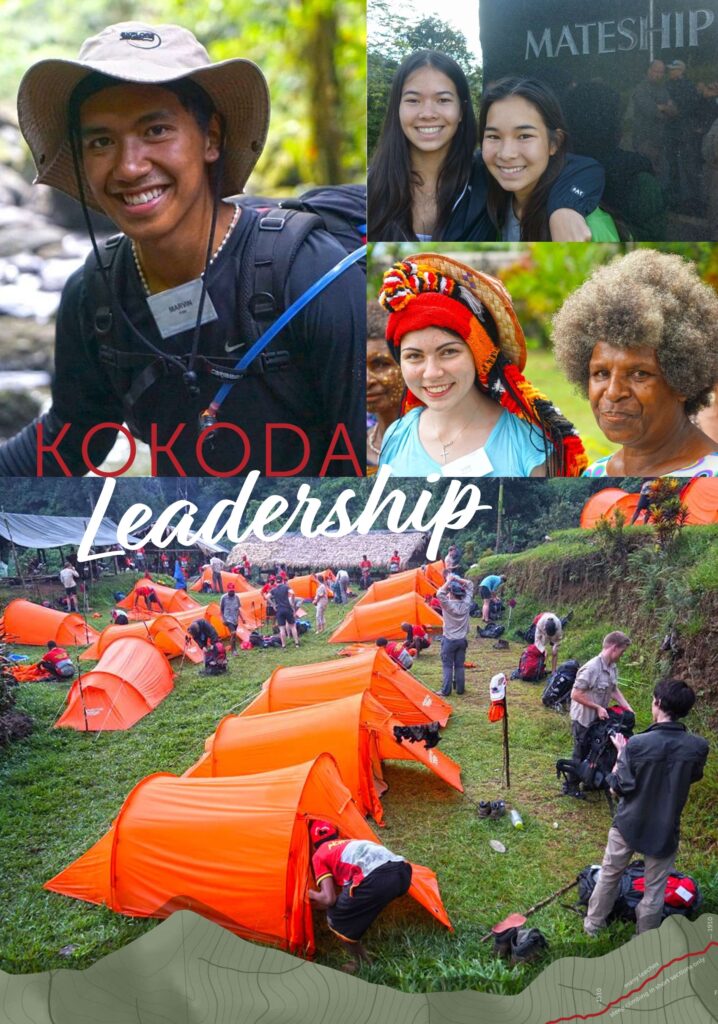
Brianna Raymond, 15 years:
I truly believe this experience has set me up and prepared me for more acts of community service and leadership positions in my local community and beyond.
This experience was truly one of a lifetime, and one I am certain I will never forget.
Each and every day I draw upon lessons learnt or memories made in order to overcome issues or to make somebody else’s day better. This journey turned my life around and gave me a new meaning, and it has transformed me into a more improved version of myself that I can use to help others who are not as confident in themselves.
It is difficult to put into words just how meaningful this trek was and just how much of an impact it had on not only myself, but on the other trekkers in my group as well. The positive development of each person was easily seen as the days went by, and I feel as though every single trekker has come back from this experience more grown and ready for leadership.
Annalise Issacs, 17 years:
The mental and physical pain, my deepest and darkest thoughts and the achievement of putting one foot in front of the other, is something that I want to take into my studies, sport and everyday life. I want to now succeed more than ever, to show those soldiers that they died for a purpose.The program itself is fantastic. Well planned, thought out and for a legitimate cause.
I recommend this highly to anyone who would like to go walk in the footsteps of solders, experience family history or willing to challenge themselves mentally. The experience and the education I gained from the program, no teacher, textbook or blog post can ever describe what Kokoda is about.
Grace McPherson, 17 years:
It was such a great experience, I learnt so much from Kokoda, both historically and personally. I especially liked how we were encouraged to set personal goals to change something about our life when we returned.I have come back to Australia and applied for a volunteer internship with UNICEF through my summer holidays and I would never have had the motivation if it were not for Kokoda and the experiences which I had over there. I have also volunteered with Red Cross.
Simone Norrie, 19 years:
Put simply, the Kokoda Youth Leadership Program has changed my life. I have tried to explain it to friends and family at home and the way that I described it was –“like stepping into another world, and stepping back out.”Having only returned 10 days ago, I feel that the trip still seems quite surreal, although I have already noticed the changes that I as a person hav undertaken in such a short amount of time.
‘I have no doubt that I will grow even more as time goes on.I found the trek overwhelming – it was mentally and emotionally draining, as well as physically demanding. But, I stand true to my belief that Kokoda is the best thing that I have done in my life thus far – and it will be hard to top it. John Nalder, my trek leader, was described in my Kokoda diary as “the wisest man I have ever met.” I’m not sure what it was about John, but he has a way of reading people, and I felt that he was watching over me the entire trek. He has a way of being able to tell you how you’re feeling, when you’re not even sure how you’re feeling! Honestly, I would not take back any aspect of the Adventure Kokoda trek.
Felicity Martin, 19 years:
I really enjoyed the chance to get to know locals, play with kids and observe life in the villages, and was really inspired to return when I’m a qualified doctor to work in some of the hospitals in PNG.
I definitely learned more about leadership from Simon than in our leadership program that preceded the trek. I learned a lot about myself and had a chance to reflect on the way I got through the tough bits of the trek, as well as some insights into my own personality in a broader sense. It was also great to get to know my friends better and observe how we all dealt in different ways with the difficulties, and adjusted our own behaviours to fit in with the group.
I was really touched and moved by the memorial service at Isurava memorial, and also the poem Simon read at Brigade Hill. These were both real highlights of the trip for me. I have never been so affected by poetry and war stories, and I think it has given me a new interest and sense of connection to that part of our history. I just wish my grandfather was still alive so I could talk to him about it!
James Ombina, 17 years:
With the experience of a lifetime handed to me by this program, I wish to contribute to the wider community, as my form of thanking you for a life-changing journey.
Through Kokoda, I have learnt of personal abilities that I have not been familiar with, such as maintaining an optimistic and positive attitude, regardless of any circumstances, and to understand that adversities always have a problem and it is up to the individual to ‘find a different trail’.
I have acquired new leadership abilities such as understanding others before being understood and many more. I have learnt not to set high expectations for anything, to avoid disappointment, which greatly contributed to my optimistic attitude which carried me throughout the 10 days. In terms of teamwork and group effort, everyone has made responsible decisions that determined their successful completion of the trail.
Understanding that the program is meant to develop leadership abilities, they resolved to taking care of each other and pushing each other over the Owen Stanley Ranges and over the finish line, and they should be proud of themselves.With the experience of a lifetime handed to me by this program, I wish to contribute to the wider community, as my form of thanking you for a life-changing journey.
Brendon Speechly, 17 years:
During the trek, we were taught about different examples of leadership, ranging from officers and individuals of high responsibility back in the war right up to modern day examples such as the “instinctive leadership” of the local trek guides and their natural response to any danger.
The group was also lectured on the 7 essential understandings of effective leadership, which include the understanding of self, others, culture, environment, history, present and the future.
I found this to be very beneficial for myself as I can relate these aforementioned characteristics to my studies at school.Upon returning home from Papua New Guinea, it has given me the opportunity to reflect on what was ultimately a life changing experience.
Jessica Willmott, 25 years:
The KYLC program was a once in a lifetime experience. It is the first time where I have placed myself in a situation so far out of my comfort zone whilst being surrounded by a group of people who I have never met before, but was entirely reliant on and supported by for 10 days.
The program provides a comprehensive overview of Australia’s involvement in WWII and their courageous efforts on the Kokoda Trail. Undertaking this program extends on any possible classroom history lesson by thrusting you deep into the face of the Kokoda Trail to experience a first hand recount of what our ancestors were exposed to all those years ago.
The program provides an opportunity for the pillars of Kokoda (courage, mateship, sacrifice and endurance) to develop in any group, despite our group being comprised of 33 complete strangers.Thank you to Clubs SA for sponsoring me to undertake this invaluable opportunity to develop my capacity for leadership to further enable me to positively contribute to the Australian community.
It provided an invaluable insight into the historical significance of the Kokoda campaign and advanced a heightened appreciation for both the past and present Australian military. With this heightened patriotism, I am eager to be of service in my community.
Olivia Rowland, 22 years:
My personal development began long before the trek began.
After some difficult times personally last year and the beginning of 2016, I made a decision earlier this year to make several positive changes to my life, in order to get to a healthier mind space, a healthier body, and to be a more productive, positive contributor to society.
I am mentally strong. I have been through the worst recently, and I have fought so hard to get myself out of those dark places, the negativity and the demons. I have lifted myself out of that dark place, and come out stronger, smarter, and better on the other side.
Now, I can see the power of positive thinking, and remind myself of the positive things in my life. I have also gone out of my way to share this newfound positive thinking with others, to turn their experiences around as well, as I am all too familiar with the effect a series of unfortunate situations can have on a person’s mind set. After realising how mentally strong I am now, I also realised J.K Rowling’s words “Anything is possible, if you’ve got enough nerve”.
I can now use my Kokoda experience as the benchmark for adversity, to remind myself I managed to conquer that challenge, and can conquer any other challenge.Being a part of the 2016 KYLC program has been the most fulfilling, life-changing achievement.
I have dedicated my year to bettering myself, both physically and mentally/emotionally, always keeping the KYLC in mind as my motivator, and my goal. The program has been invaluable in my personal development this year, both directly and indirectly, and its impact on me will likely have long-lasting effects.
From a Kings School Parent:
‘Dear Charlie,
‘Thank you for making my experience walking the Kokoda Trail so memorable. I believe it will be 10 days that stay with me for the rest of my life.
‘For me it had it all, emotionally moving, physically challenging, historically interesting, breathtakingly beautiful, and really good fun.
‘To have the opportunity to experience all this with George made it all the more special. In saying this it just would not have been the same without you inspirational leadership.
‘Your detailed knowledge, relaxed positive attitude, moving recitals made it a pilgrimage (as you promised) rather than a tough walk in the jungle.
‘But what impressed me most was the life changing education you gave the boys (and fathers) and your interest, concern and positive programs you have implemented under trying circumstances for the local people.
‘The motivational leadership addresses you gave to the boys will have a big impact on those 17 soon to be young men who were privileged to have the opportunity to hear and spend time with you at such an impressionable age.
‘I believe the young men who’s ‘Endurance-Courage- Mateship-Sacrifice’ we remember as we walk the Trail would be pleased the high example they set would be used to help educated our young leaders of today. I was very proud of the way the boys (particularly George) handled the tough conditions with enthusiasm, good spirit and the without complaint.
‘A few times stand out for me. The talk you gave us over looking Eora Creek was one. I found it particularly moving. We were fortunate to witness this beautiful location on a stunning day. It’s hard to imagine so many young men died in appalling conditions on that very spot, and as you rightly pointed out our Governments have done nothing to recognise their sacrifice.
‘That memorable second day is another. I think it was 12 hours with incredible steep descents, equally tough climbs, and it top it off torrential rain with the last couple of hours in the dark. Looking back I would have felt cheated not to experience such conditions.
‘But the most memorable moment of that day was the sight of Dick carrying two packs running past me in the pouring rain as I struggled across a swollen creek wondering why he was in such a hurry.Hearing later that after dropping the packs he then ran back to help Bruce and Ben into camp.
‘I think that action sums up the spirit of your porters and the loyalty and dedication you instill in them. They are indeed great ambassador’s for their people.Thank you again for a wonderful, wonderful experience. Next time your down in Cootamundra be sure to give me a call I’d love to have the opportunity to share another wee dram with you.
‘Kind regards,
Charlie Baldry’
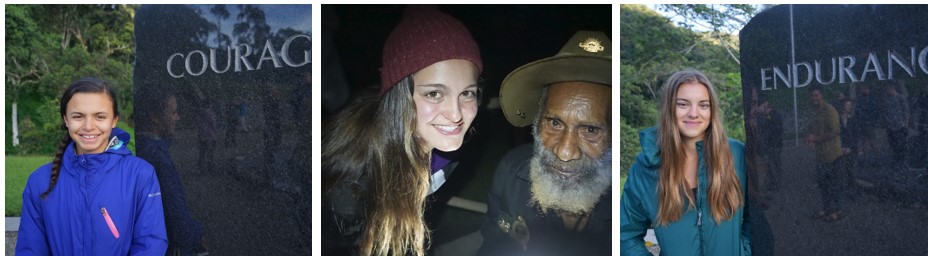

https://www.kokodatreks.com/treks/our-treks/school-groups
MY KOKODA ASSESSMENT
Larissa Haithwaite – NSW RSL Services Clubs Kokoda Youth Leadership Challenge
1. What was your overall assessment of the program?
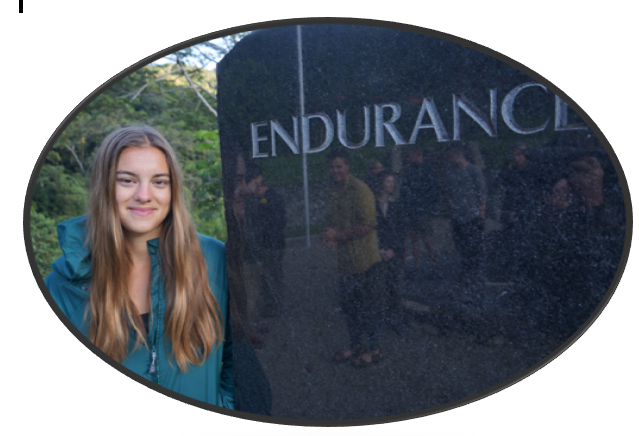
I thought the program was fantastic; it was honestly one of the best experiences I have had and I learnt so much from it. It was the hardest thing I have done, both physically and mentally, and also the most rewarding. This experience taught me a lot about myself, and also a lot about other people and the ways in which people react to adversity and hardship. The leadership aspect of the program was great; Charlie really gets you to take a good, hard look at yourself, and I was able to analyse myself and my leadership abilities, as well as be able to identify leadership qualities in others in our group.
Historically, the program is comprehensive, interesting and very insightful. I learnt so much about our military history, and I looked forward to hearing Charlie talk each day about the military significance of the area. Charlie is a wealth of knowledge on the history of the trail and he really does make the trip; I would not want to walk the trail with anyone else. He is so passionate about both the trail and Papua New Guinea, and his enthusiasm and positivity is contagious.
The way the trek is set out and planned is perfect- you are safe and well looked after, yet also challenged and encouraged to make decisions independently. I thought this was a really fantastic idea for a leadership group, as it really pushed everyone to be mature and take responsibility for the own actions.
The Adventure Kokoda team are wonderful. The boys are so helpful, kind and gentle and I always felt safe (and well fed!) with them. It was truly the best experience and I loved every minute and aspect of it, from the Papua New Guinean people, to the beautiful and wild landscape, the mental challenge, the physical challenge, the learning (in many different areas) and the reflection, and the after effects of doing the program.
2. What did you learn about yourself?
So many things!! This experience has given me a lot more confidence and self-belief, that was definitely lacking before. I am naturally a quiet person, especially in a large group situation, so i was a little worried as to how I would go trekking with 33 people. Meeting people at the start was a big challenge for me, but I made an effort to try and have a chat with everyone, and that is something I was quite proud of myself for, as I would usually sit back and wait for others to talk to me. I naturally gravitated towards a walking crew with a similar mindset to me and we stayed together for the rest of the trip. I opened up to them, and I really pushed myself to find out more about them and about what made them tick- another thing I don’t normally do until I am 100% comfortable with a person.
So I guess I learnt that you don’t need to be super loud and out there to make new friends, and that there is nothing wrong with me being quiet, I just need to push myself to talk a little more. Being in such a large group really taught me a lot- it takes all kinds of people to make the world interesting, and if you are being yourself, you will find people that you naturally gravitate towards. I have now made new friends that I have struggled with, laughed with, cried with and inspired me, and I hope to keep them as friends for life.
I learnt a lot about my leadership style too, but I will discuss that in the next point. I learnt about my composure – I always thought I had good composure and patience with others, and this was something that was tested at times throughout the trail and did not break, and I am really happy with how I handled myself. I think that my composure is one of my best attributes, and something I hope to continue to work on and utilise.
I think the last thing I learnt about myself is that I don’t think I have been pushing myself to my full potential, or “knowing my worth”. I have been working in a job for the past few years and I have not advanced or learnt anything- I am just comfortable. The same as in my uni course – I was just getting the marks I needed to pass and not pushing my mind, even though I knew I was capable of a lot more. The only area that I have pushed myself is physically. By completing the trail, I know that I am capable – both physically AND mentally, of so much more. I tried to keep a really positive mind set while walking, and I didn’t break. I want to continue to have that mindset in life, as well as continue to push myself mentally.
Charlie’s talks each morning were so inspiring and I thought a lot about what he said while I was walking (or discussed it with my walking friends). I wrote each “lesson” down, and I will keep them, and re-read them whenever I need a reminder to live my life to its full potential. I can’t thank Charlie enough for the inspiration he has provided me.
3. What did you learn about others in your group?
As I said above, it was a great learning experience to be in such a huge group. I learnt that everyone is different, and that’s ok, that’s how the world works!
I learnt how to speak to those who were struggling and how to inspire them. I learnt what makes other people tick, and how that can differ from me, and I learnt that everyone deals with adversity differently. It was very interesting to see how people coped with being so out of their comfort zone and challenged – some would get angry with themselves, some with others, others would laugh it off and others would openly discuss it. I found that such a great learning experience for everyday life – you need to know how people cope with things in order to try and help them. I was really proud of our whole group for completing the trail, but especially those who were struggling and doubting themselves at the start. It was so good to see these people grow throughout the trail – you could see their mindset changing and growing more positive each day, and the things that were getting them down at the start, stopped mattering anymore. This was a real highlight for me.
I also learnt that who you surround yourself with makes a huge difference to your mindset. I seem to gravitate towards a group early on, and I think it’s because we had the same mindset – we were all determined, positive, open, and didn’t take ourselves too seriously, yet we wanted to learn as much as possible from the time on the trail. Walking with that group made such a huge difference to my trip and I am so glad I met them. If one of us was struggling, the rest of the group would “pick them up”. Barely anyone complained and if they did, it would only take a gentle reminder of how good we actually have it, and the person would right themselves pretty quickly.
I think that’s a valuable lesson I learnt – surround yourself with people whose influence is positive on your life, they make a huge difference to your mindset.
4. What did you learn about the Kokoda campaign?
Coming into the trail, the only knowledge I had of the campaign was through research I had done myself. I had learnt very little in high school, and had not heard much of it in the media. Charlie taught us so much about the campaign during his addresses. His knowledge of the campaign is like no other and he passed this information onto us. He didn’t censor or sugar coat- what he told us was honest and raw.
We learnt of the hardships all of the men faced (not just the Australians, but the Papua New Guineans and Japanese too), we learnt of the conditions, where attacks took place, their duration, why some attacks worked and why others didn’t, acts of heroism and bravery, and why this battle was being fought on the trail in the first place. It was fascinating to learn about why most Australians don’t know a lot about the battle that occurred along the Kokoda trail, and the government mistakes and cover-ups during this time – as well as mistakes being made to this day! Our soldiers who fought along that trail were young, inexperienced, malnourished, and diseased, yet the acts of bravery, sacrifice, courage and mateship shown was like nothing else. We owe the lives we live today to these men, there is no doubt about it.
We also learnt a lot about the Fuzzy Wuzzy angels and the incredible sacrifices they made to help our soldiers, and in turn our country. Without them, Australia would be a very different place today. It was incredibly upsetting and frustrating to hear the complete lack of recognition these men and their families have received from the Australian government.
The way Charlie told us about the trail was in-depth and always moving- his talks were very detailed and normally finished with a poem or quote that really put what happened along the trail into perspective.
5. What did you learn about Papua New Guinea?
Papua New Guinea is a beautiful country – from its people to the landscape. Charlie taught us a lot about the history of Papua New Guinea and we learnt about the “One-talk” mentality, and the affects of their independence since 1975. We also learnt about the history of the Fuzzy Wuzzy Angels and their huge impact they made on the Kokoda campaign, and also about their lack of recognition for their service.
As we walked the trail, we were able to see the village way of life – a simple, remote and traditional way of life. This was a highlight for me. The people were kind, inquisitive and happy to explain their way of life and their views on the Kokoda Trail. Charlie told us about the issues of corruption within the government, and about the importance of education for this generation.
We learnt about the Network Kokoda farming programs for various schools, which is a fantastic initiative and a positive step towards greater education and support for this generation.
6. What did you learn about each of the words engraved on the granite pillars at Isurava: 1) Mateship; 2) Endurance; 3) Courage; 4) Sacrifice?
The granite pillars at Isurava were a highlight for me. I thought they were perfectly fitting for the memorial, and visually they are simple, yet so powerful.
The 4 words are interdependent and a fitting summation of the Kokoda Campaign.
1) Mateship- Charlie told us of the incredible displays of mateship shown among our soldiers, and also between our soldiers and the Fuzzy Wuzzy Angels. From what we learnt, this was a huge difference to our success in the campaign. Men looked out for each other, and were willing to sacrifice their lives to help their mates. The mateship shown from the Fuzzy Wuzzy Angels to our men was incredibly moving- they had nothing to gain from helping, yet they cared for our soldiers like they were their own. During our trek, I also saw great displays of mateship. We supported each other when we were struggling, no one was left behind and someone was always there to pick you up, dust you off and keep you moving. We have all made friendships that will last for life.
2) Endurance- the definition of endurance is the ability to endure an unpleasant or difficult situation without giving way – I think this is such a fitting word for our soldiers. The terrain was wild and unforgiving, sickness was rife , the soldiers were malnourished and inexperienced, yet they never gave up. They were so outnumbered, yet they held their ground and never stopped fighting. I feel endurance, both mentally and physically, is something that is lacking in today’s society. When walking the trail, anytime my mind started to wander and think I was hurting and I should stop, I would think of our soldiers and the conditions they were facing, and this would spur me forward. I learnt a lot about my mental and physical endurance and I was so inspired by the massive endurance our soldiers displayed.
3) Courage – after walking the trail, and hearing the tales of hardship, uncertainty, inexperience, and lack of support, it’s clear that what all these men had was a huge amount of courage. Hearing about what they faced, and how outnumbered they were, made my stomach turn. Yet these men never gave up, and performed acts of bravery that were incredible. It made me think about what brings about this courage in people? To me, it is spurred by love – love for country, love for their families at home and love for their mates. I saw a lot of courage on our trek. People who thought they might not be able to do something (myself included), pushed themselves beyond what they thought they were capable of, and to me that takes courage to step out of the comfort zone.
4) Sacrifice- our soldiers gave the ultimate sacrifice – their lives and their future – for us to live the life we do today. They also sacrificed their wellbeing, their rations, their comfort to help their fellow soldiers. Charlie told us stories of the young soldiers at Brigade Hill being told their mission, and then being told to write their letters home – they knew they were not coming back alive from this mission, yet they did it anyway. To someone who has lived a peaceful life, this is hugely confronting and shocking, and hard to comprehend, yet these soldiers didn’t hesitate. Walking the trail has made me so much more aware, humbled and so appreciative of the huge sacrifices these men made. As Charlie said, the only way to thank these men for their sacrifice is to pay our respects, and to live a life with purpose as they would have wanted, and I found this very moving and eye opening.
7. What did you learn about your own ability to conquer the adversity you experienced during the program?
Throughout the trail, and upon finishing, I felt incredibly proud of myself with the way in which I faced adversity. After seeing a lot of people break early on, I decided to try and maintain a positive and open mindset to the whole experience. I wanted to get as much out of the program as I could- intellectually, physically and spiritually. I did not want to “break”, but I hoped that if I did, I would learn from it.
This positive mindset, coupled with the fantastic people I surrounded myself with, and Charlie’s daily inspiring talks, allowed me not to break. As I said, anytime I started to falter and think it may all be too much, I gently reminded myself about how good I actually had it in comparison to our soldiers and these feelings soon went.
I went to bed each night absolutely exhausted, yet so inspired, motivated and my head was full of ideas and lessons I had learnt from the day. In particular, I am really happy with my ability to maintain composure and show patience. I think these are some of my key positive traits and I hope to always maintain them.
I think another thing that helped was being open to emotions- each day was like a roller coaster! I tried not to fight these emotions (except negativity), and just tried to experience them. This was a new experience for me, and I learnt a lot from it.
8. What did you learn about leadership?
Again, it was a combination of the challenges of the trail, combined with Charlie’s words, that taught me so much about leadership.
I learnt about the different styles of leaders- action, listening and caring, and the importance of adopting a combination of all these styles to be the most effective leader you can be. I think that I am the listener predominantly, but I also have a strong caring side. I think that sometimes I lack the confidence to take action, yet this experience has taught me that its ok to take charge sometimes.
On the way home in Brisbane airport we were about to miss our check in. The lady at the desk asked who was in charge of our group? I said no one is in charge, but I can be in charge for now. This is something I would NEVER have done before – I would normally stand back and only jump in if no one else would. It may sound small, but for me it was quite a big thing to do.
I loved the fact that I learnt that you can be quiet, yet still be an effective leader. I have always shied away from leadership roles as I don’t think I’m loud enough or forceful enough for people to listen, yet Charlie talked about the power of influence that some of the greatest leaders have, and it doesn’t necessarily come from being loud and out there. From this experience, I plan to continue to listen to people and care, assess the situation, and then take action.
I hope to adopt this leadership style to my workplace, my peer group, and for in the future when I run my own business. A lesson that really resonated with me that Charlie talked of was the importance of understanding others and their situation before making judgements and actions. This is something a lot of people forget, myself included, and something i tried to adopt on the trail, and something I wish to take to my everyday life.
9. What are the main benefits you received from the program?
Hopefully, I have covered most of that above, but I will list it in dot point below to try and sum up my experience-
• knowledge of our military history and the huge significance of the Kokoda trail, and how it has impacted the life we lead today. My respect for our soldiers, and the Fuzzy Wuzzy Angels, is immeasurable and I am so thankful for their sacrifices that they made for us.
• pushing myself to the limit, both physically and mentally, and the effects of this- confidence, knowledge of myself and my limits, the desire to live my life to its full potential
• meeting Charlie Lynn, and a great group of people who will all continue to inspire and motivate me. Charlie’s lessons taught me so much about myself and others – I have written them all down and hope to continue to use these throughout life and to motivate and guide me if ever Im feeling lost.
• experiencing a beautiful new country and interesting culture. Experiencing new things is so important to me in terms of opening the mind and continually learning.
• improving my ability to understand others better and the ways in which to talk to different kinds people. I also gained a respect for those who are not as fortunate as myself, and hope to try and make a difference in my local community, both now and in the future when I have my own business.
• a renewed appreciation of life itself. I hope to not take things for granted, to always be respectful and remember our history, and to continue to push myself to learn and grow and not be stagnant
10. What recommendations would you like to make to help us improved the program?
Honestly, there is nothing I could recommend. I loved every aspect of the program and I learnt so much. The program is designed perfectly in that it guides you, yet it doesn’t baby sit you, and it allows people to make their own decisions and learn from the consequences. I loved walking the trail, the lessons we learnt, the history we learnt, the Adventure Kokoda team and Charlie, visiting the War Cemetery, learning about Network Kokoda. I could keep going and going, but honestly, it was the most incredible, humbling and life changing experience and I would not change any aspect of it!! Thank you so much for providing me with this opportunity.
KOKODA SNAPSHOTS . . .
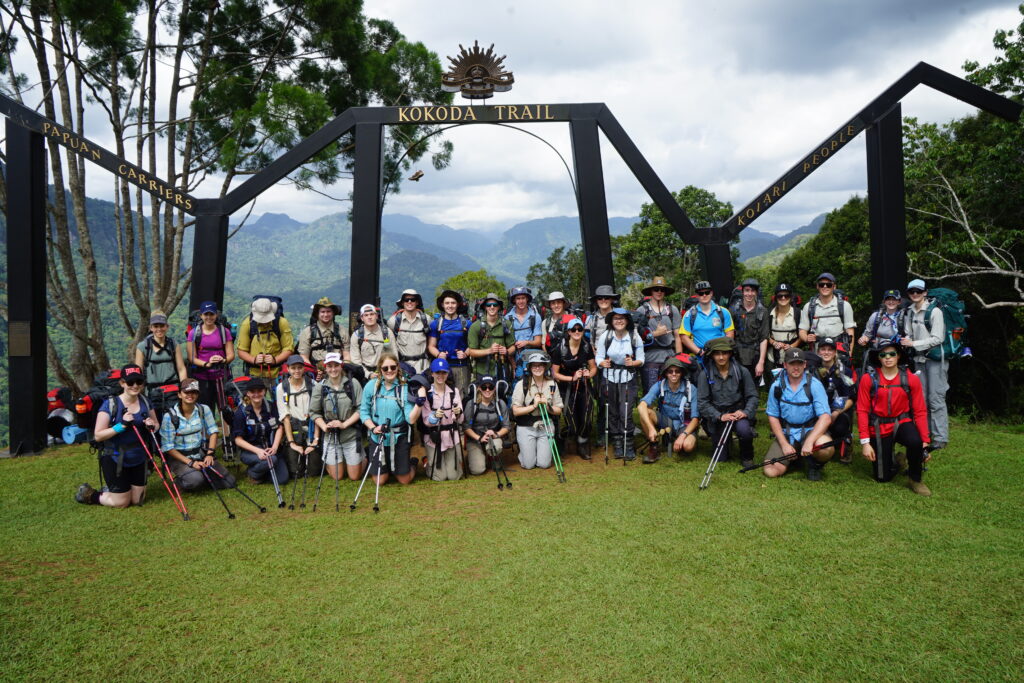
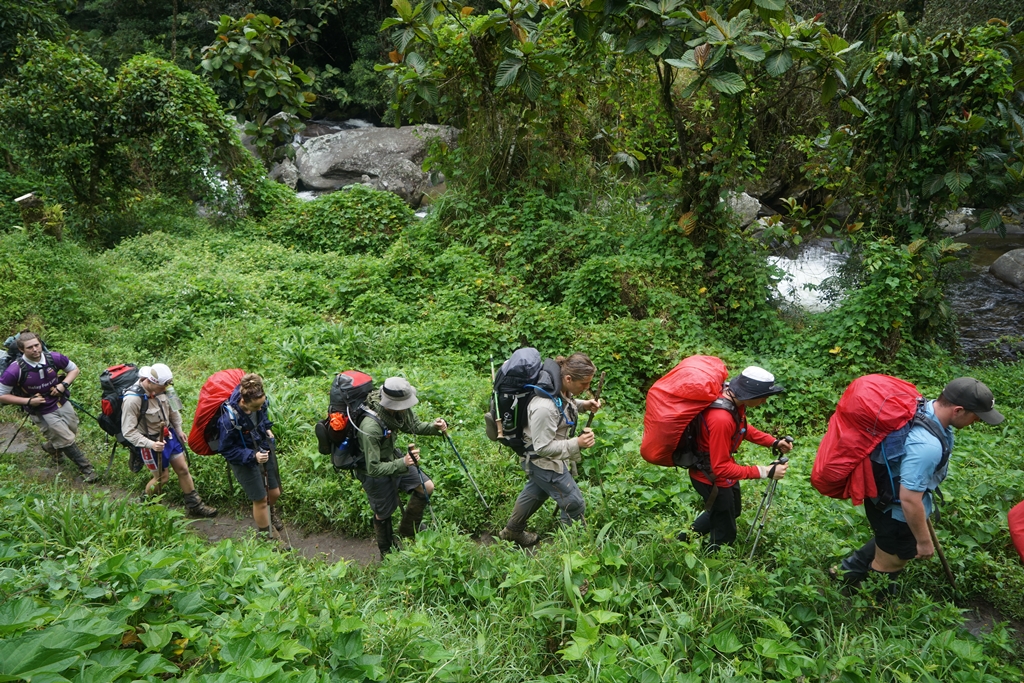
Trek group departure from Owers Corner
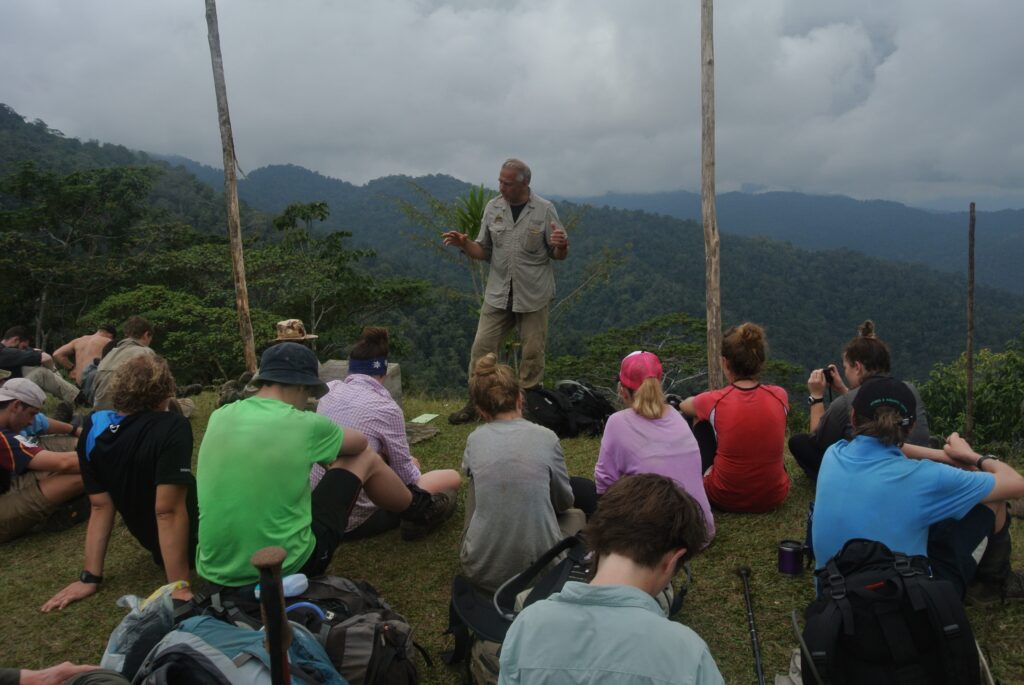
Battlesite briefing by Adventure Kokoda trek leader
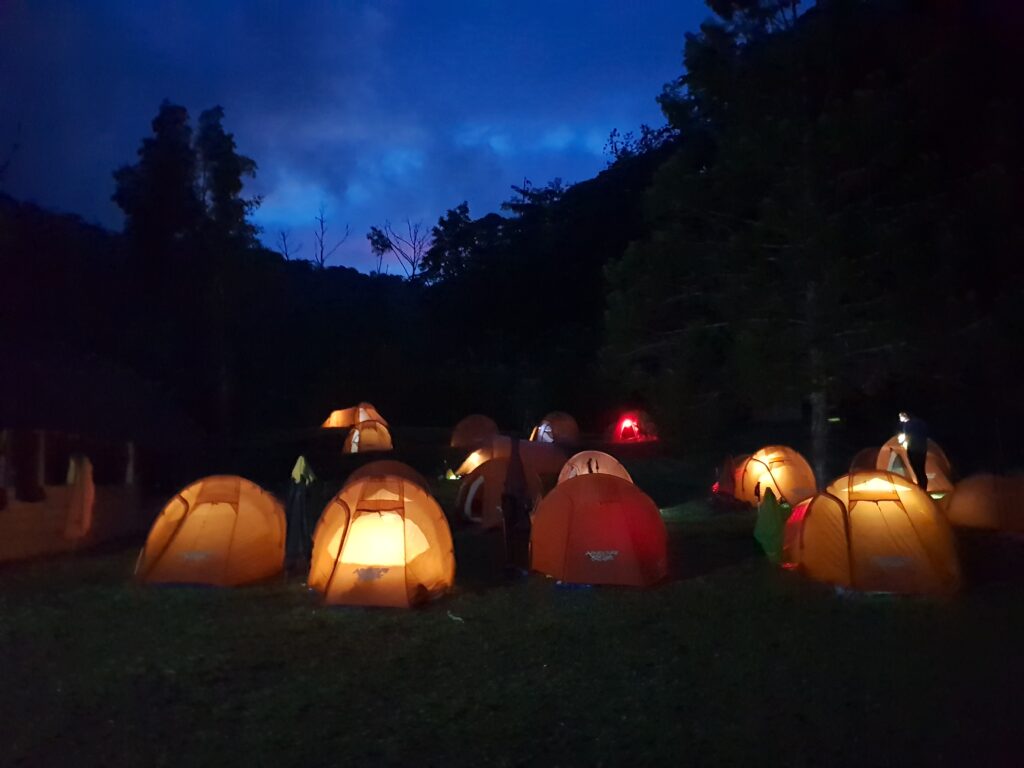
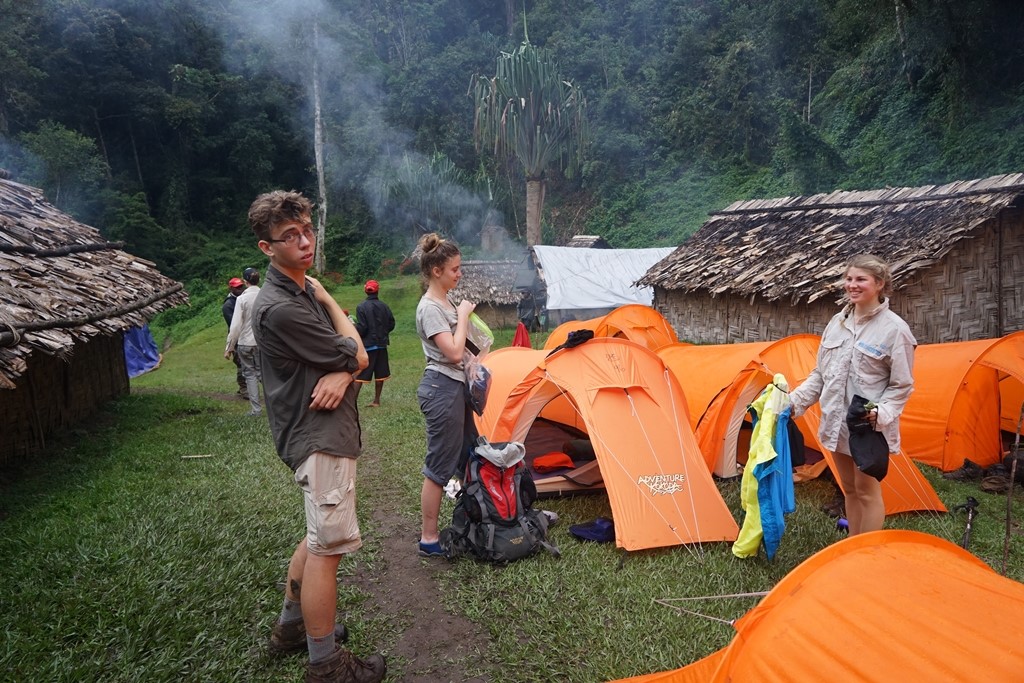
Campsites
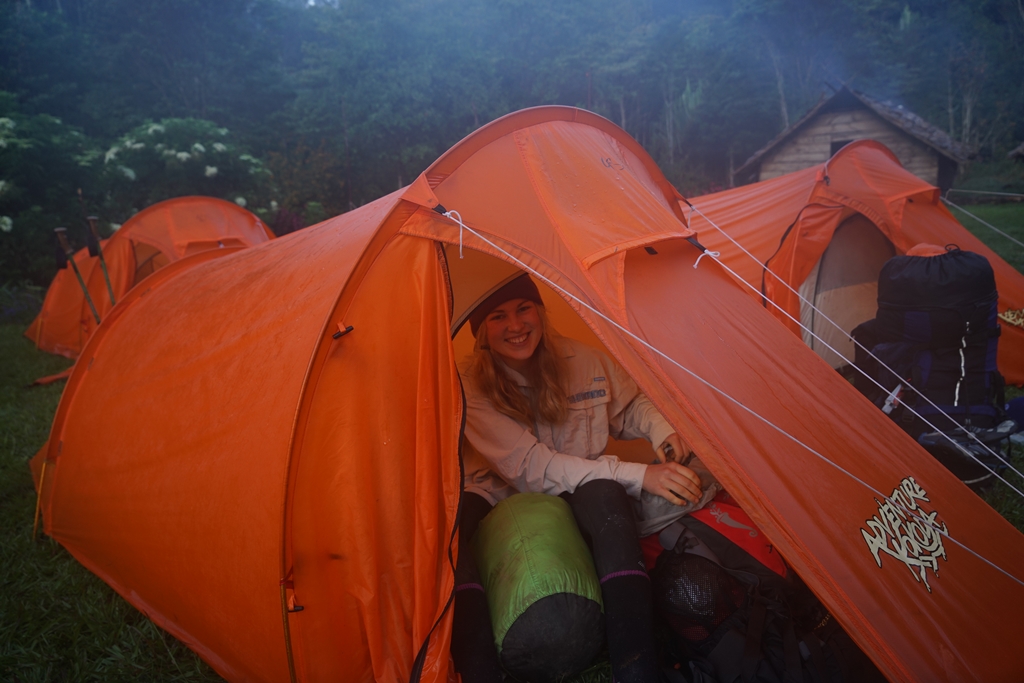
Slow start on the first morning . . .
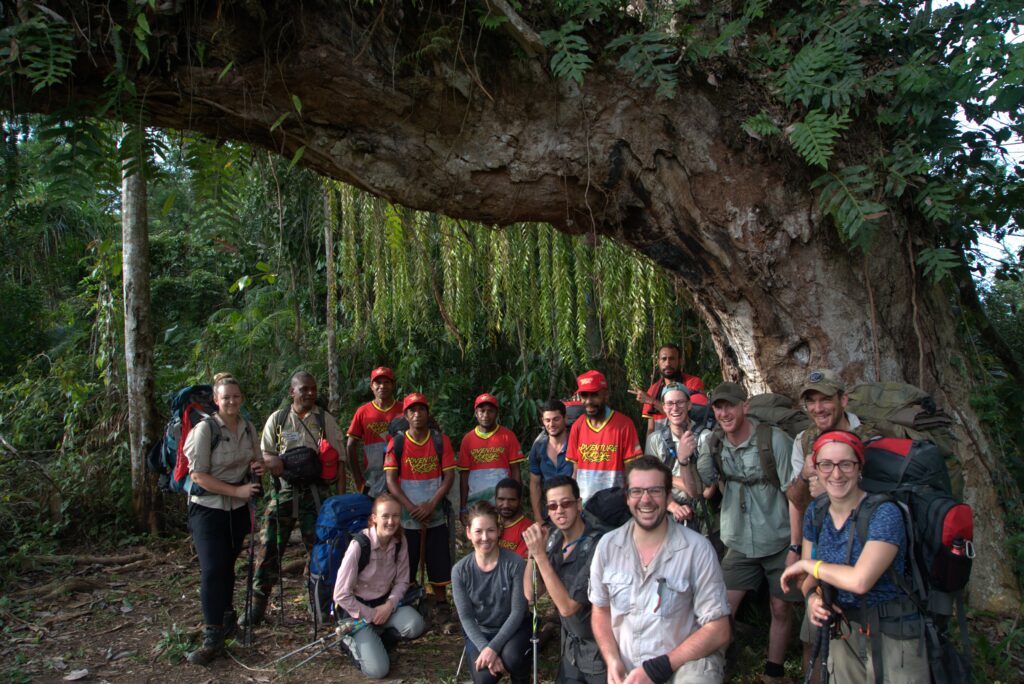
Ioribaiwa Ridge
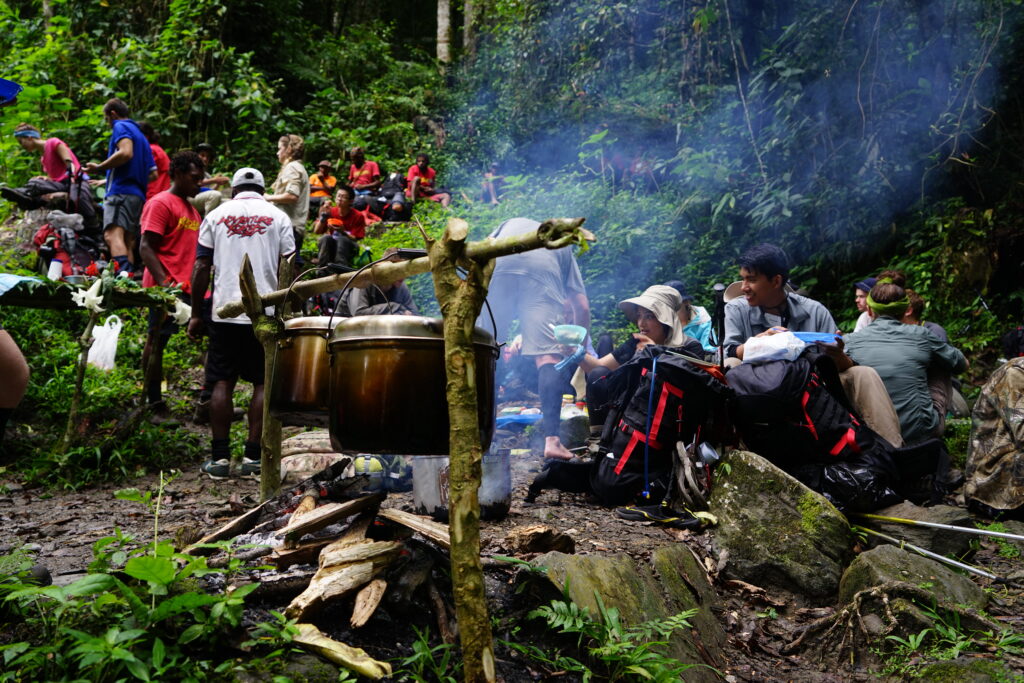
Morning tea on the Trail
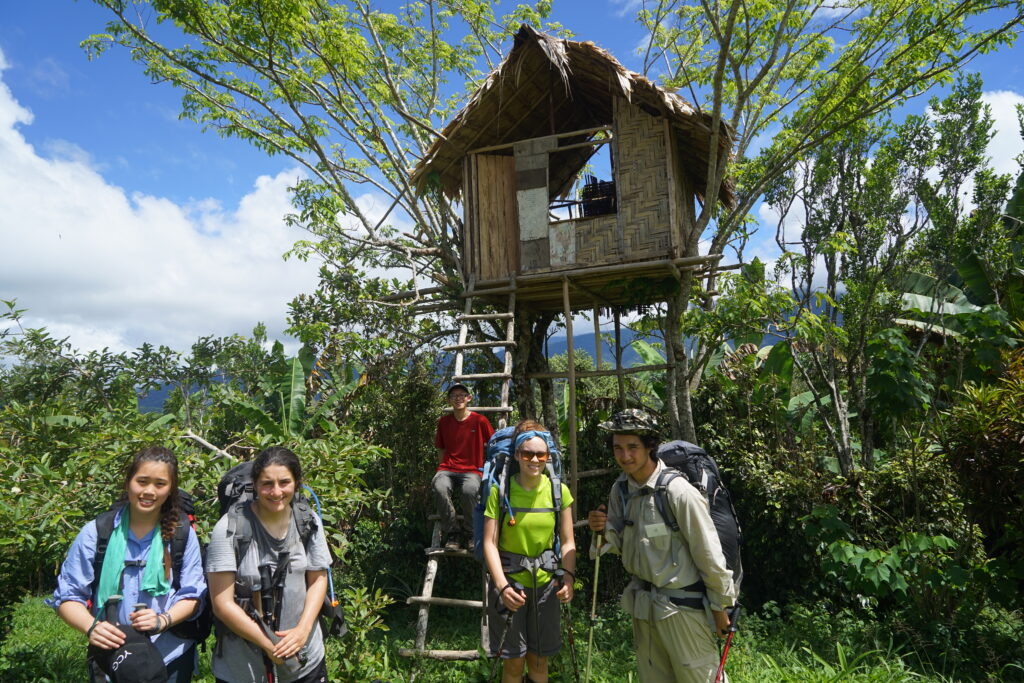
Traditional Koiari ‘Tree House’ in Naduri village
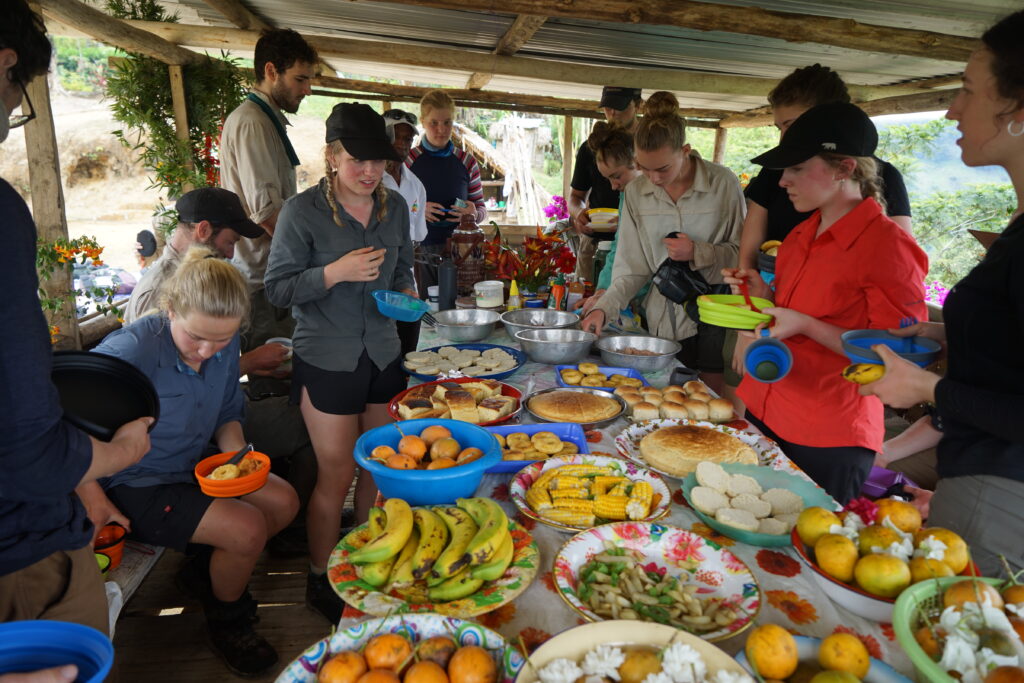
Gourmet lunch in Abuari village
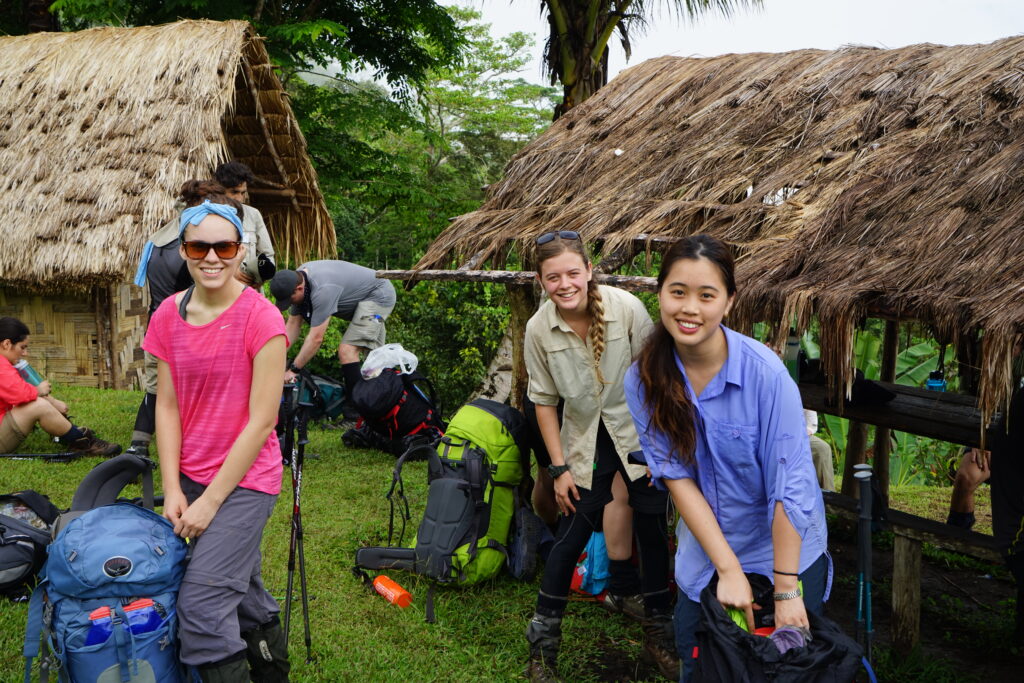
Students ‘saddling-up’ in readiness to depart Kagi village campsite
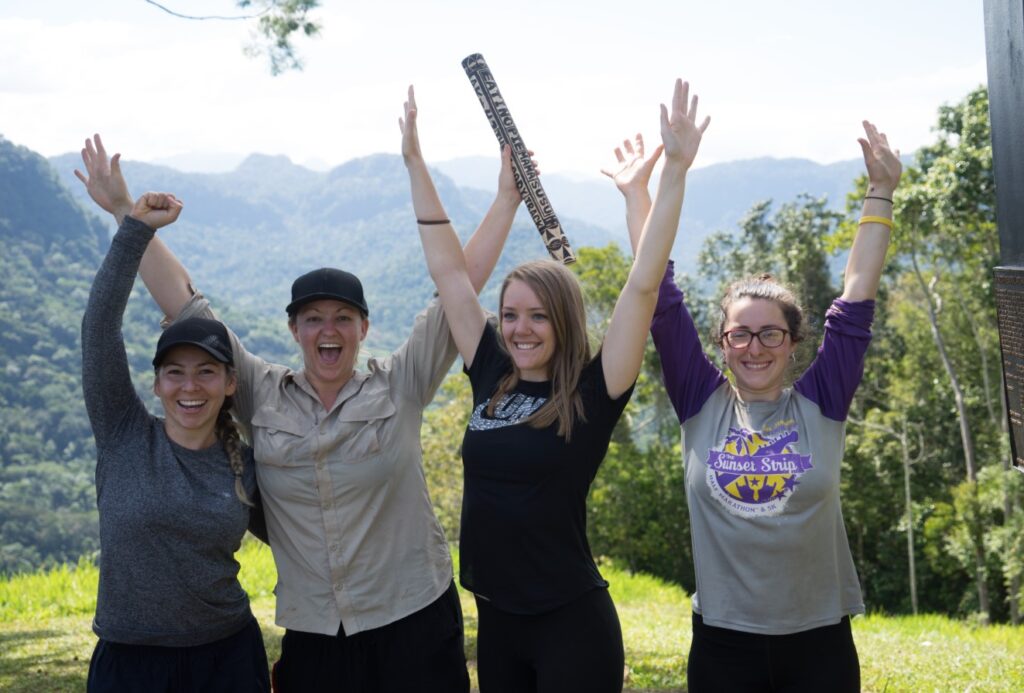
‘Oh what a feeling’ at the Owers Corner finish line for Kokoda Youth Leadership Challenge participants
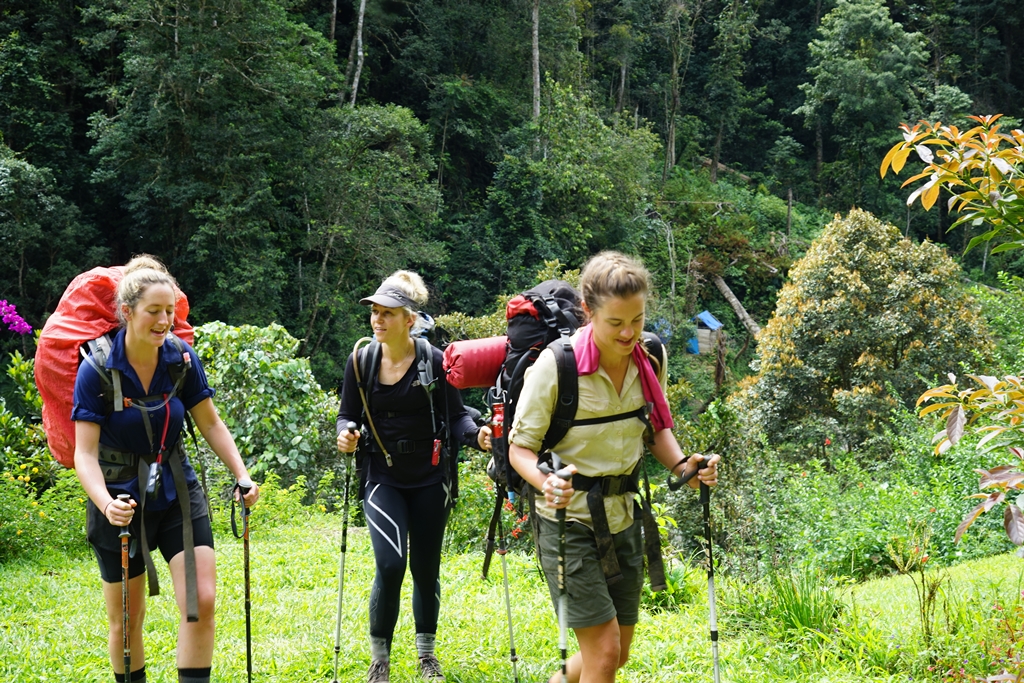
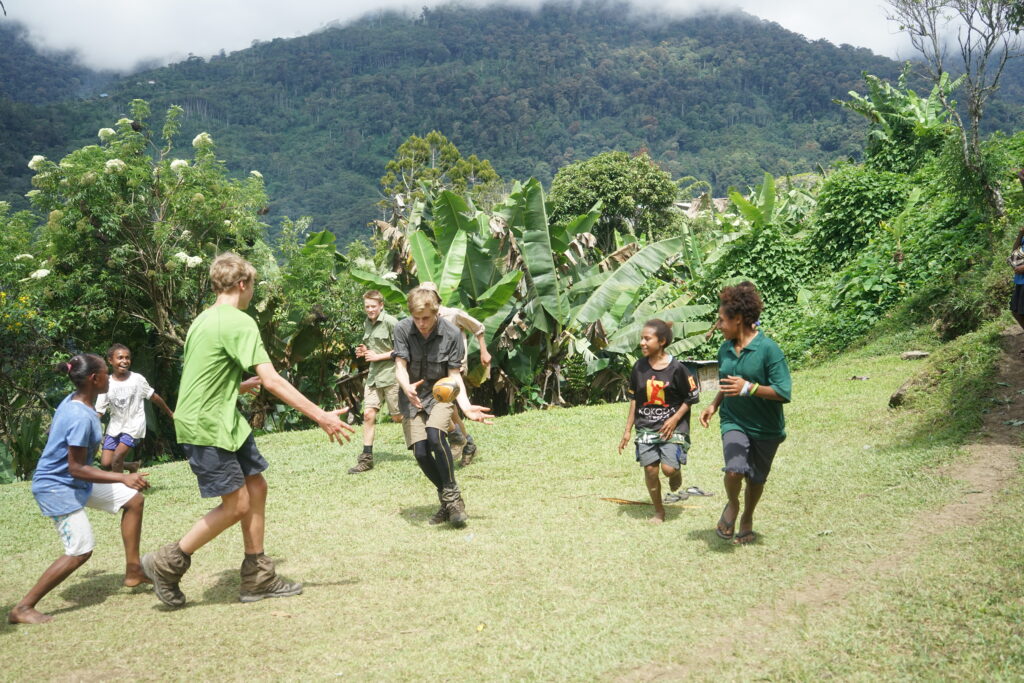
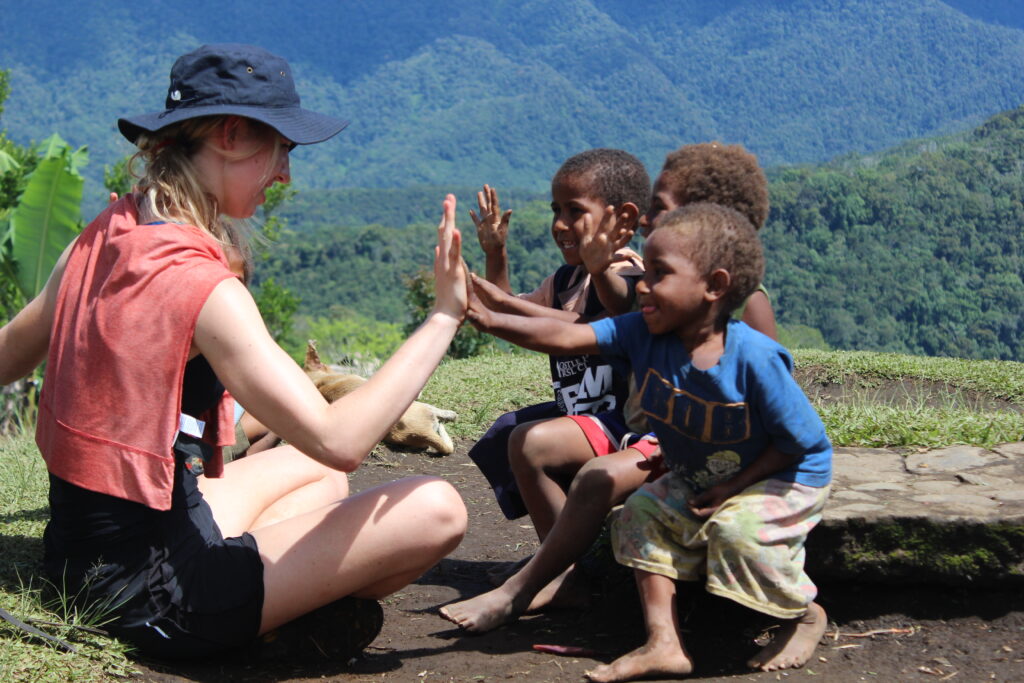
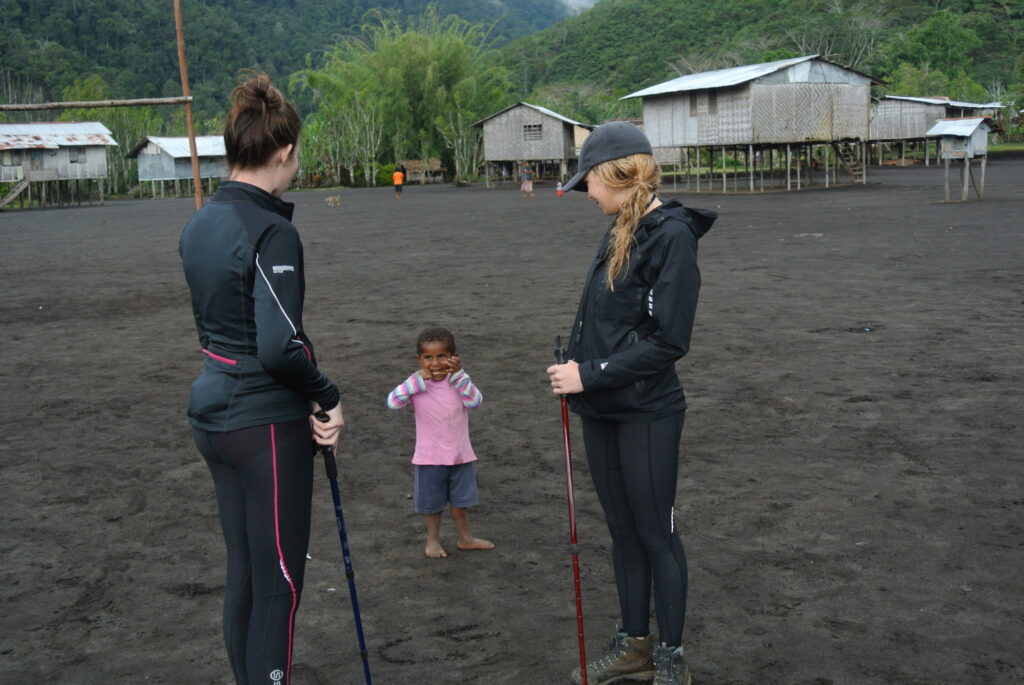
Village games . . .
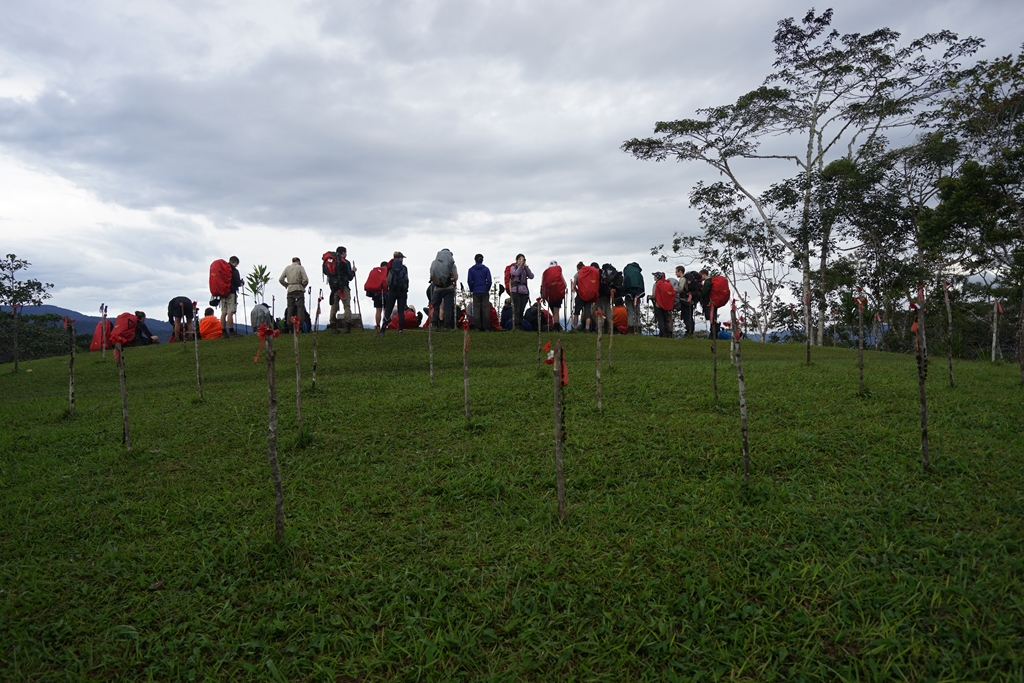
Solemn reflection on Brigade Hill
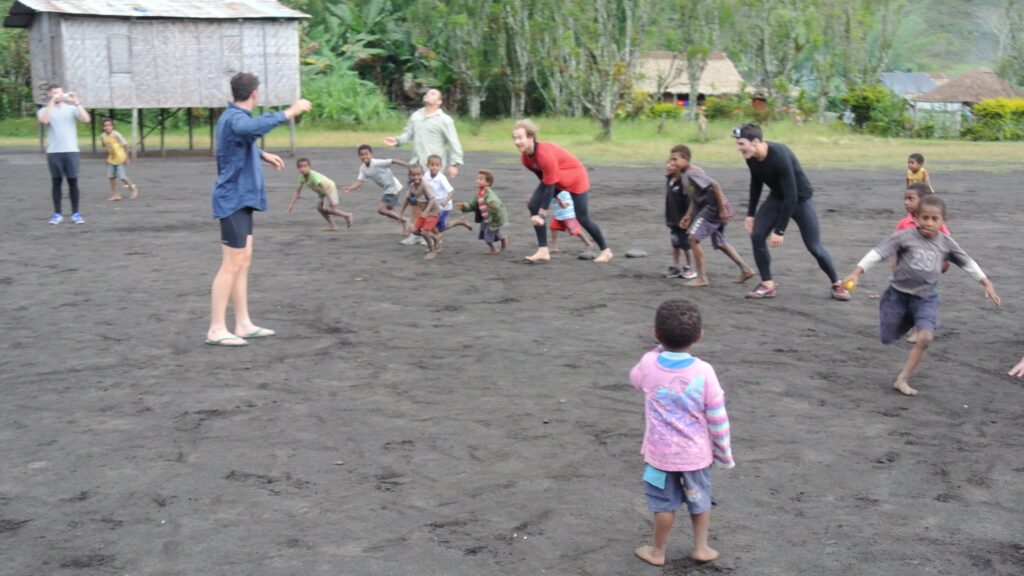
‘Panthers on the Prowl’ student races in Efogi village
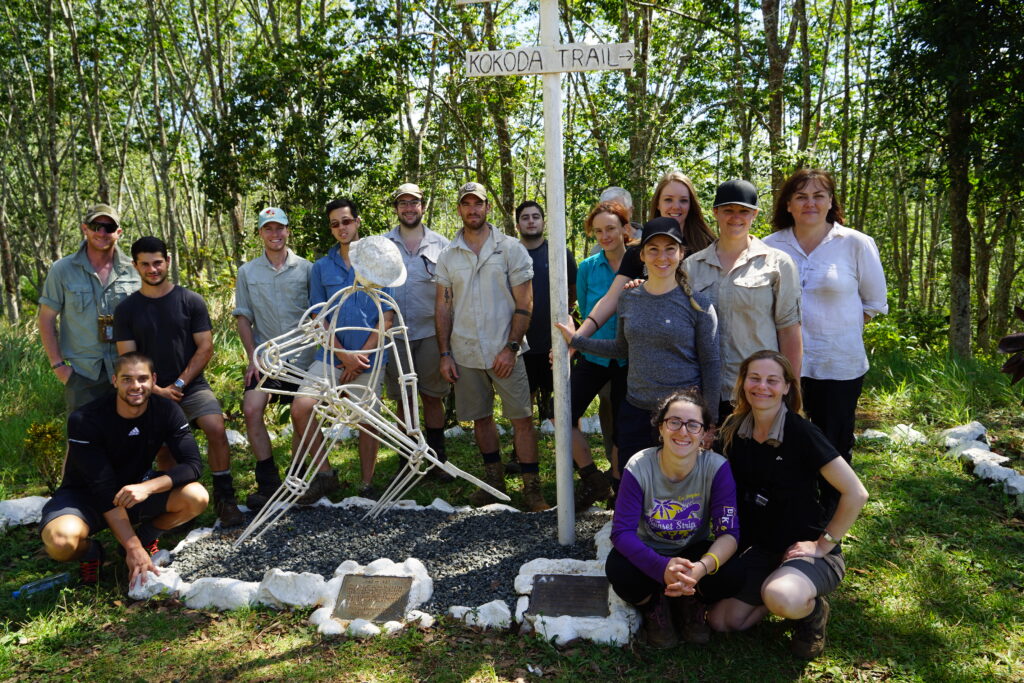
MdDonald’s Corner enrout to the start of their trek at Owers Corner
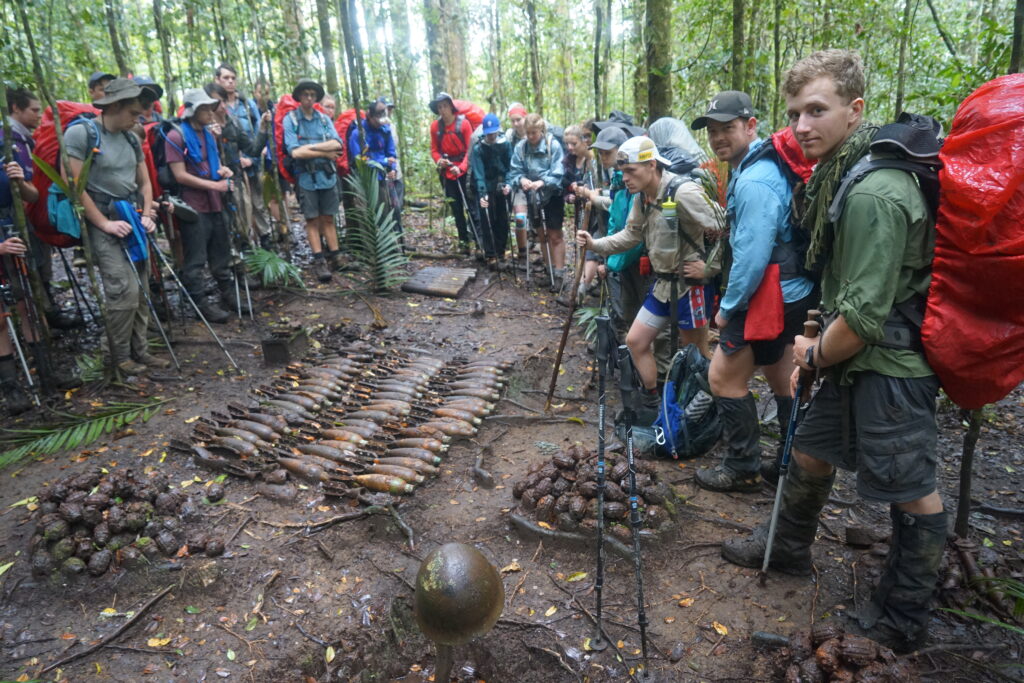
Wartime remnants of the Kokoda campaign
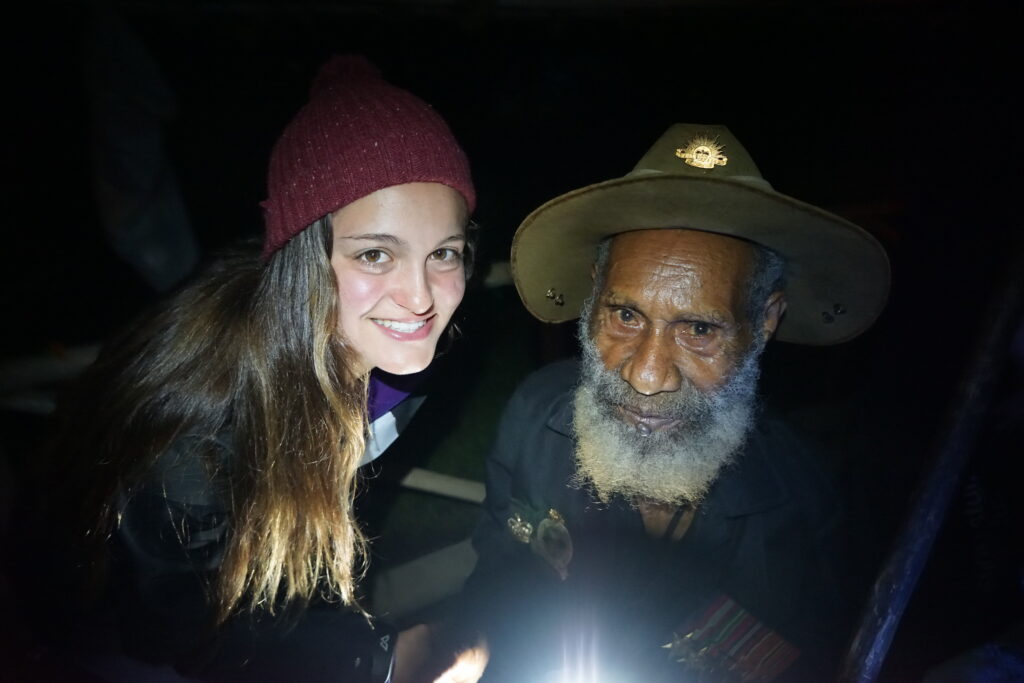
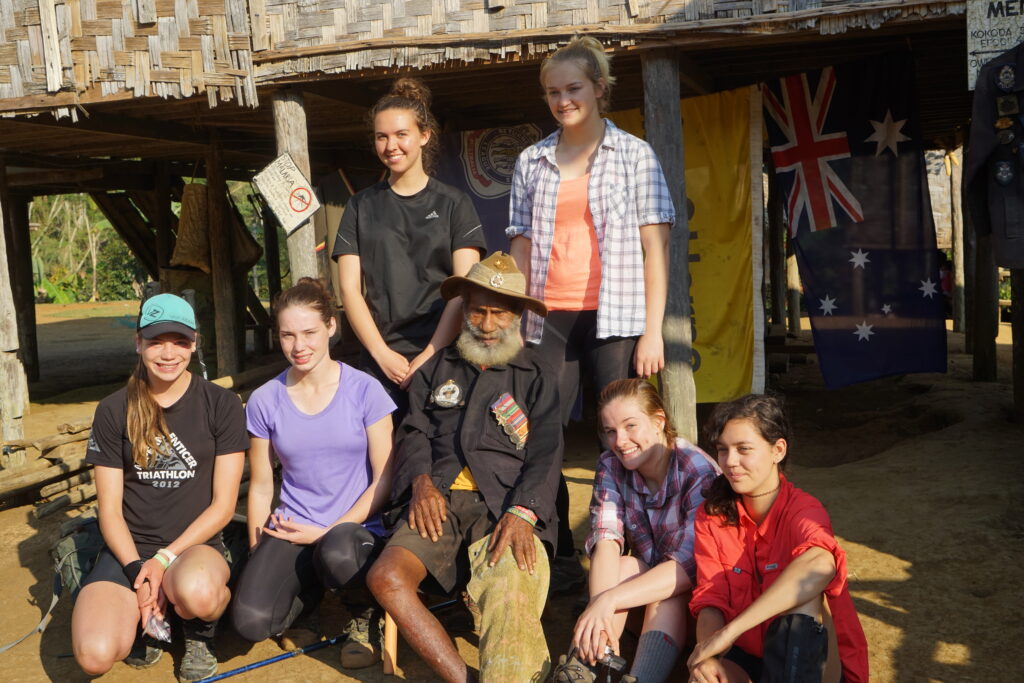
Faole Bokoi – ‘Fuzzy Wuzzy Angel’
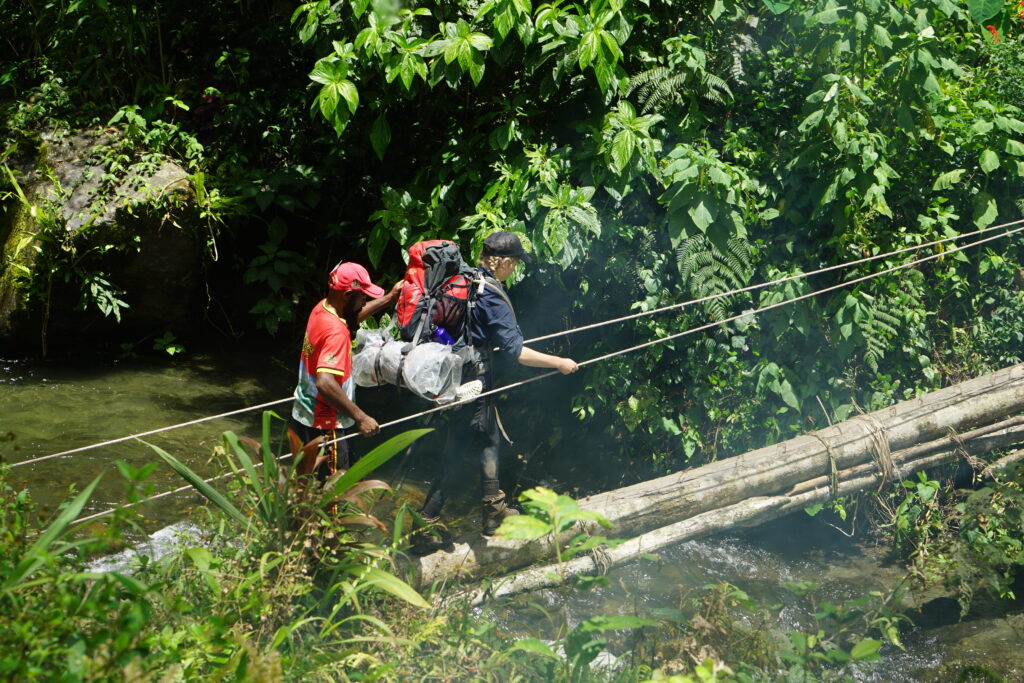
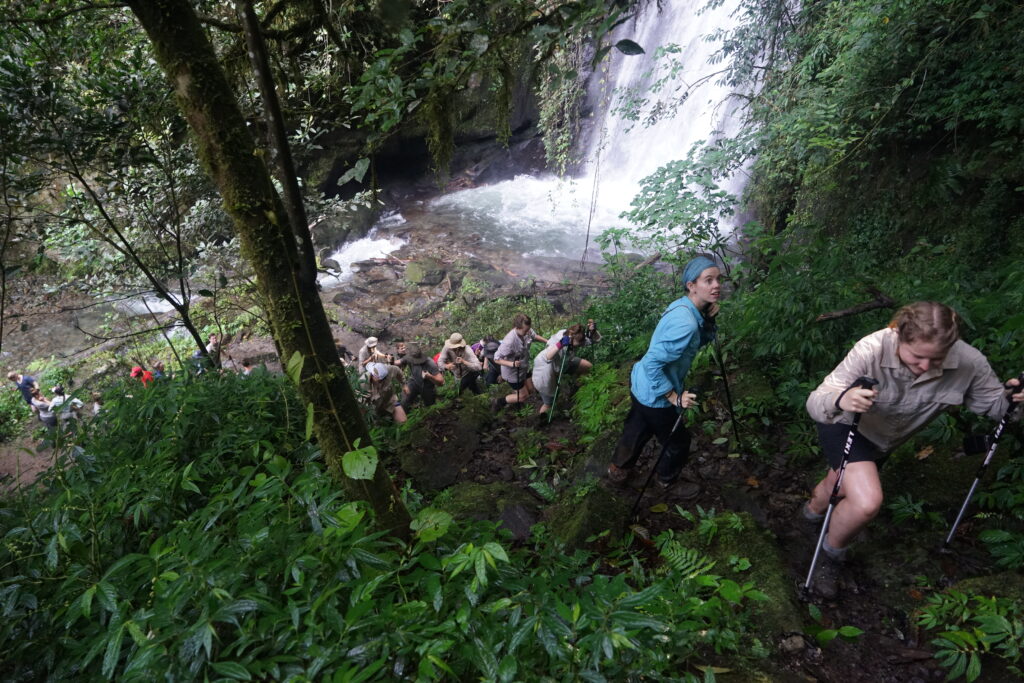
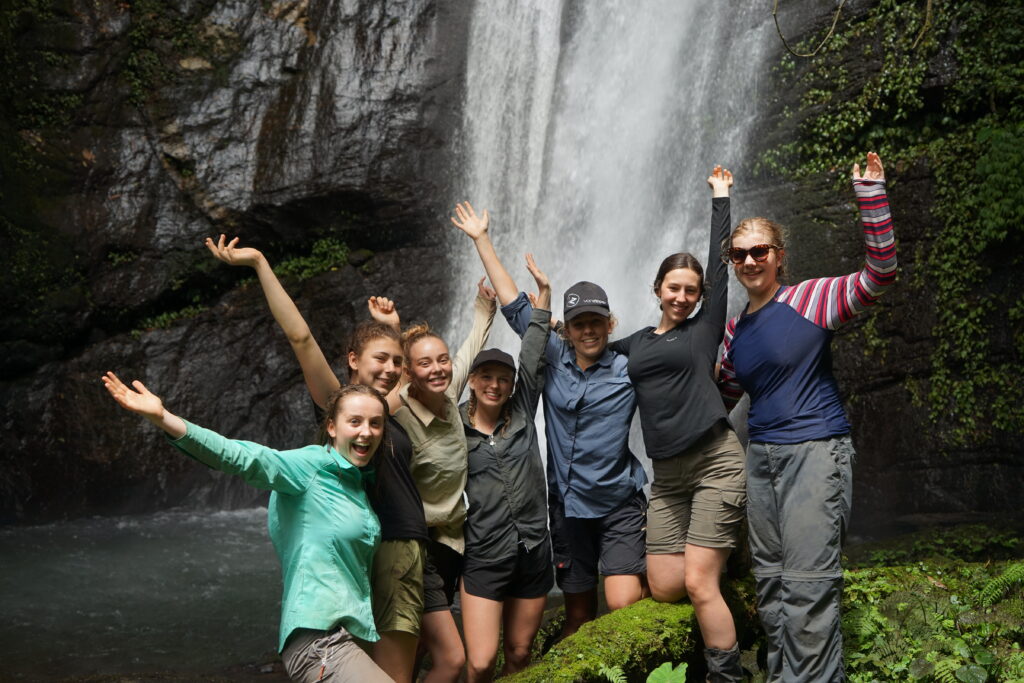
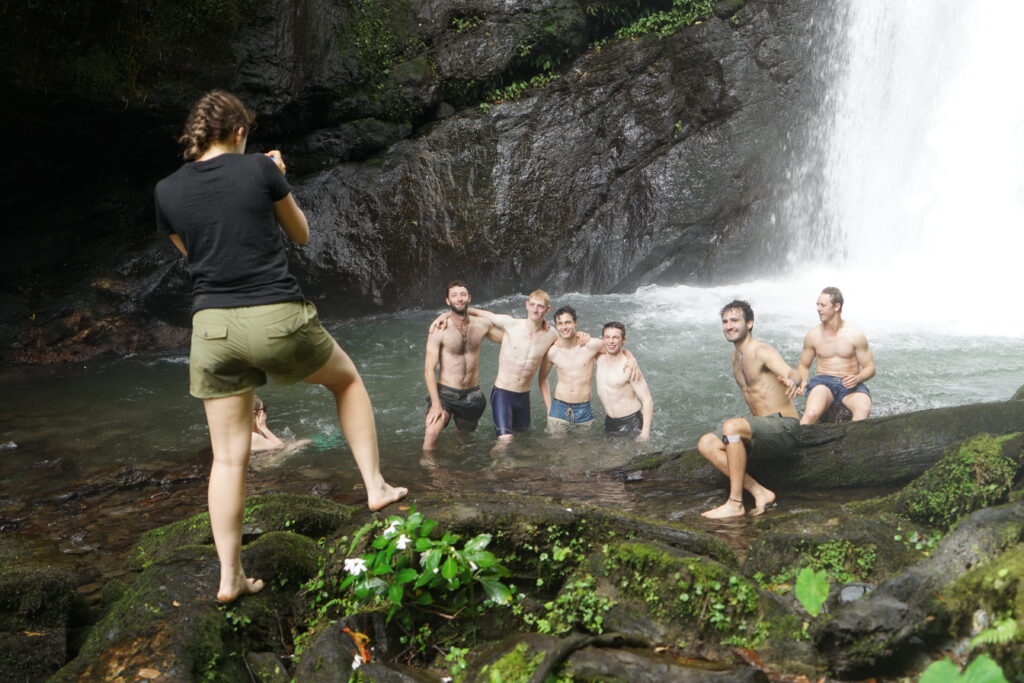
Myaka Falls between Alola and Aburari villages
Brigade Hill
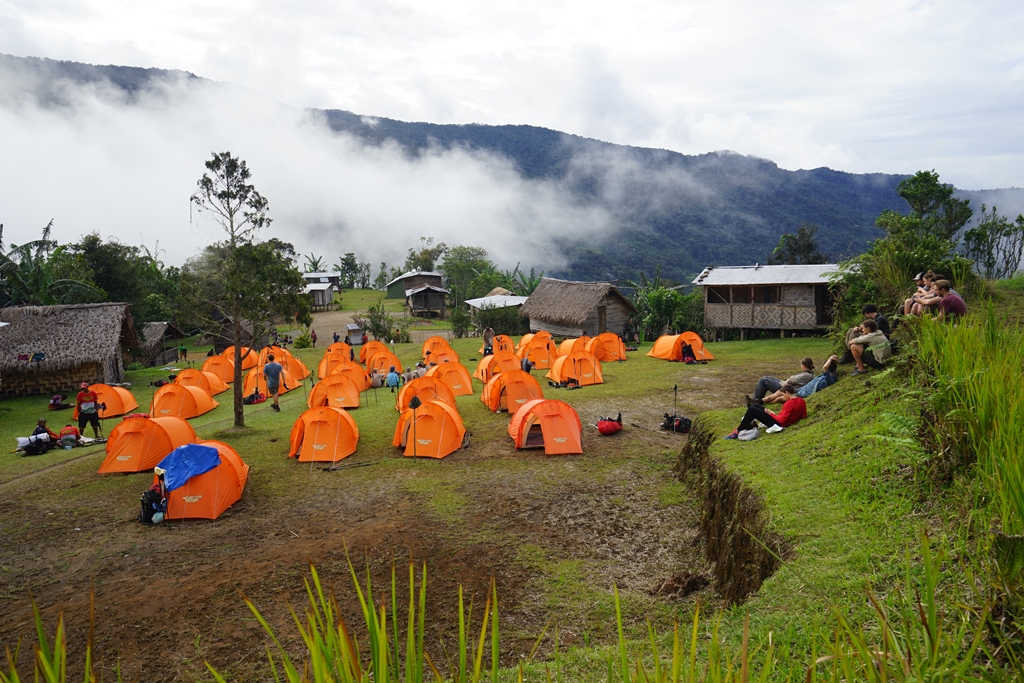
Campsite at Abuari village
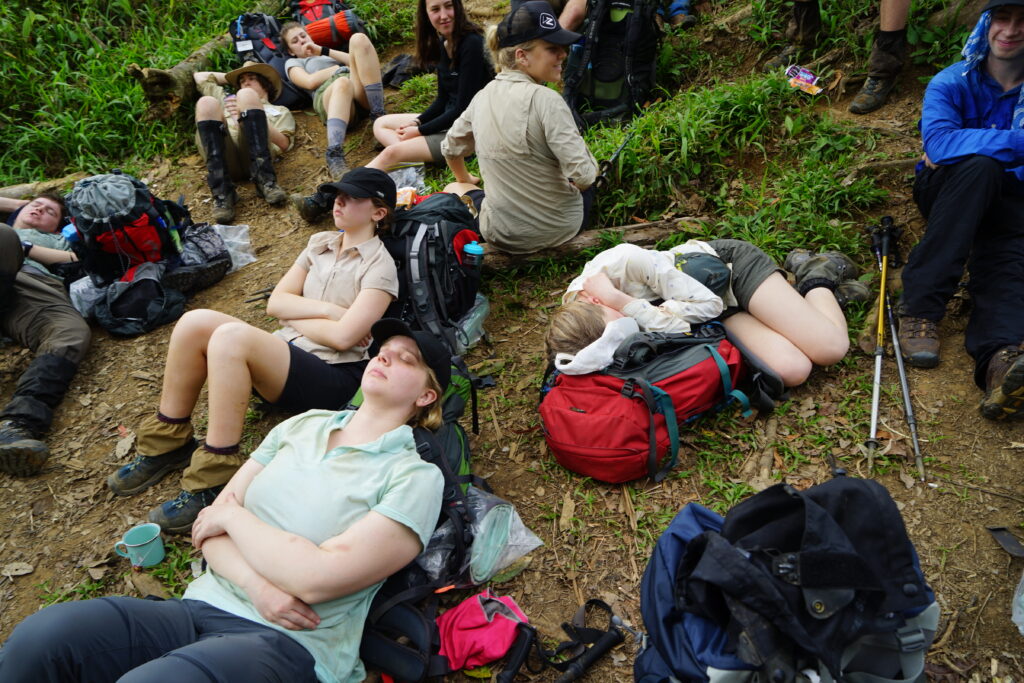
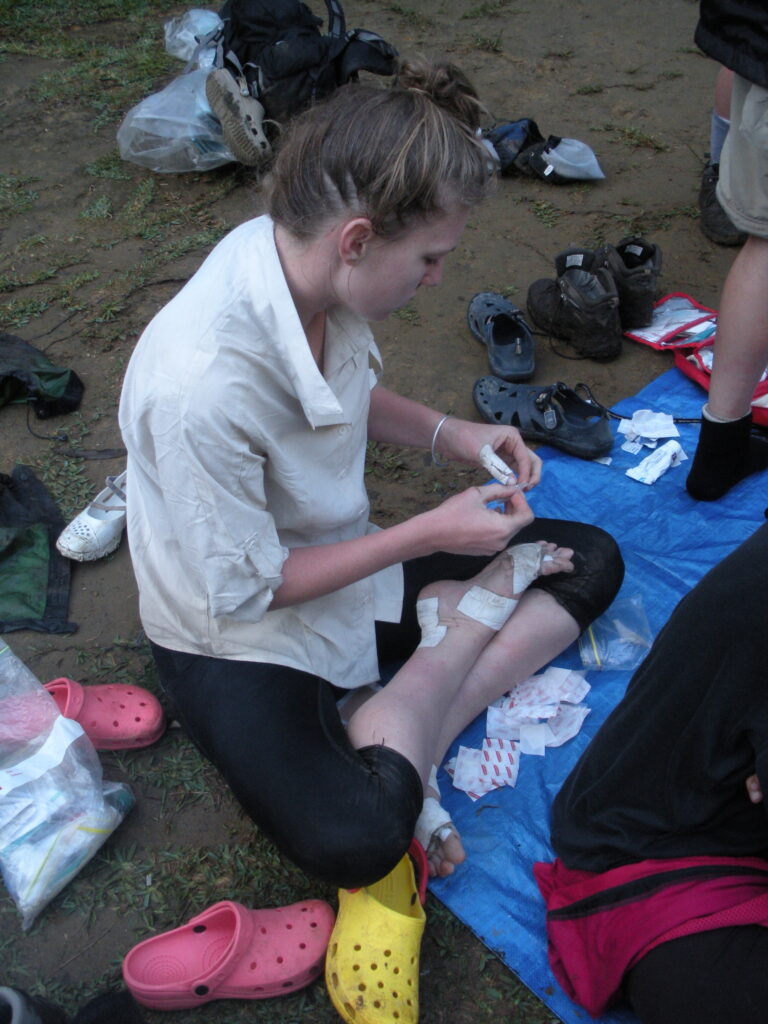
Foot repair . . .
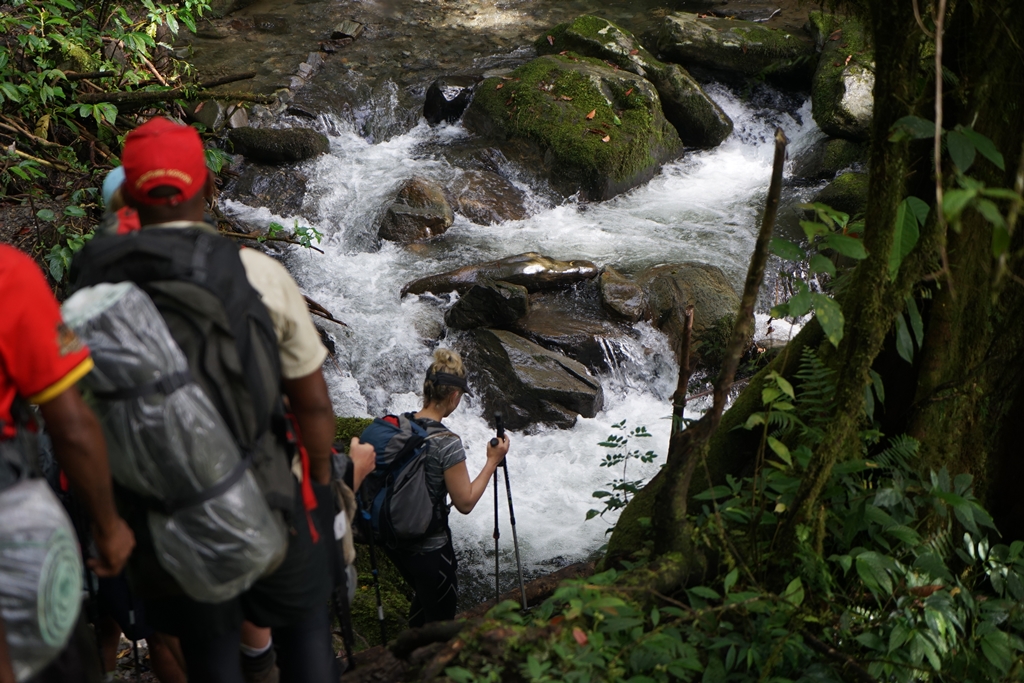
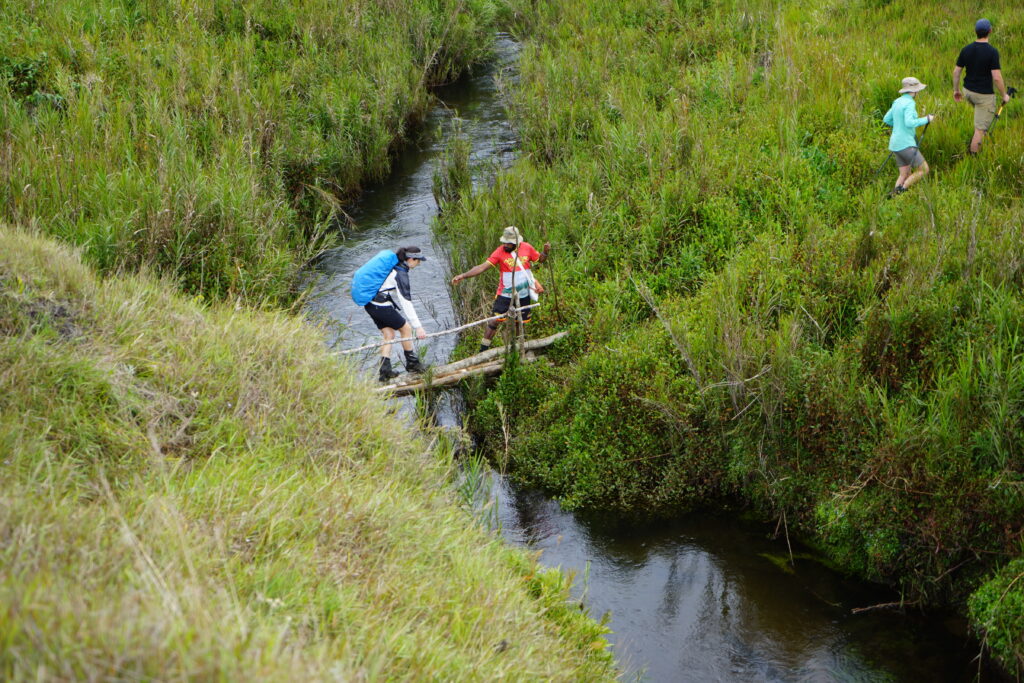
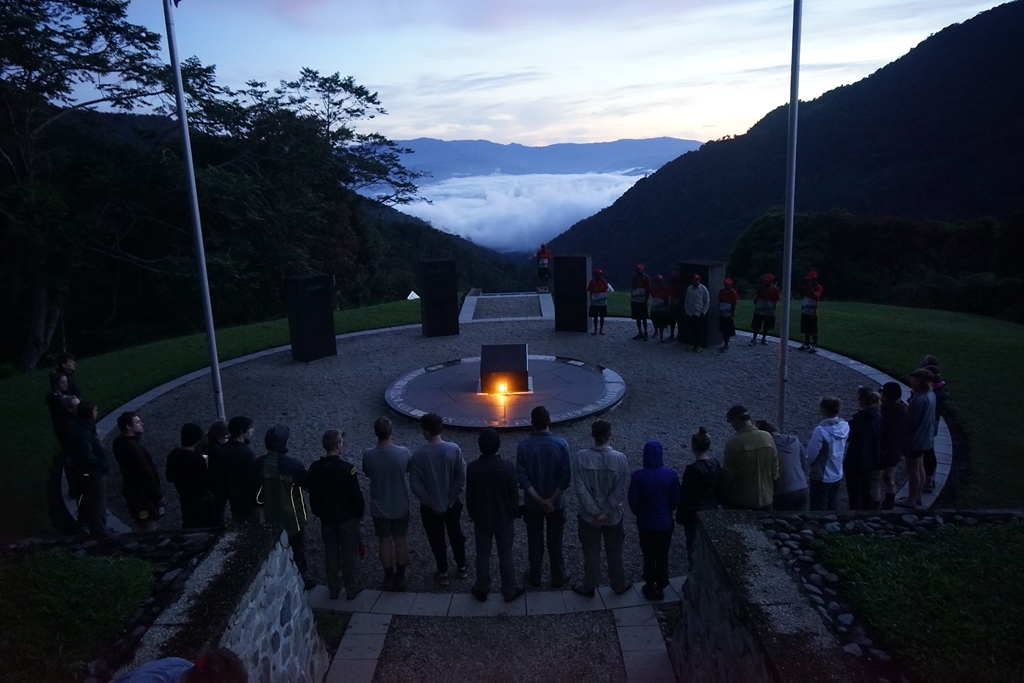
Isurava War Memorial Dawn Service
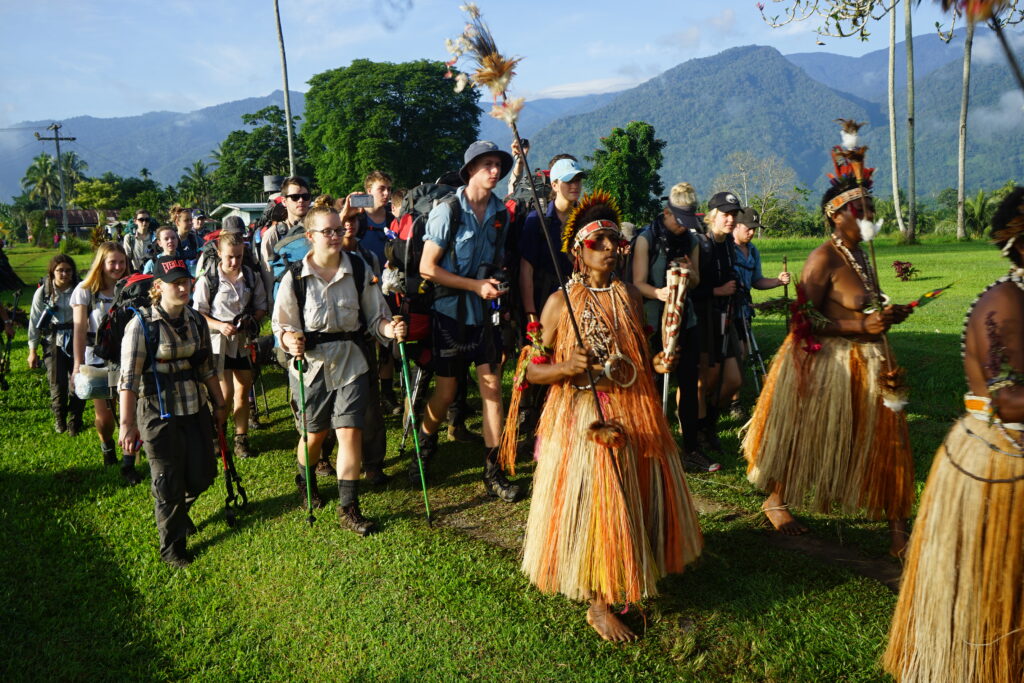
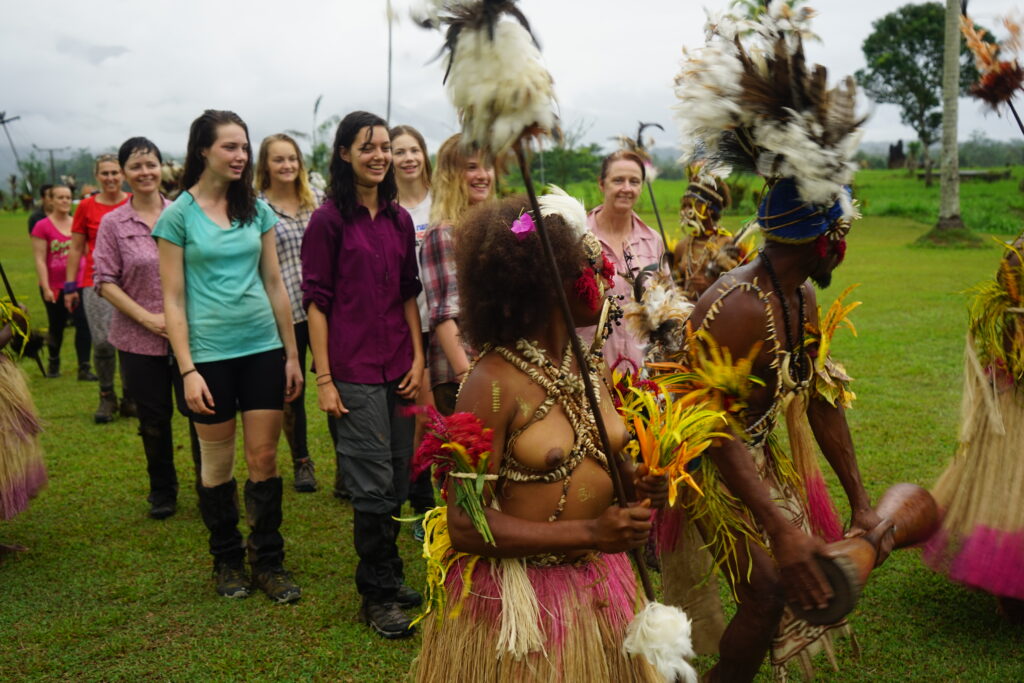
Traditional Orokaiva welcome onto the Kokoda plateau
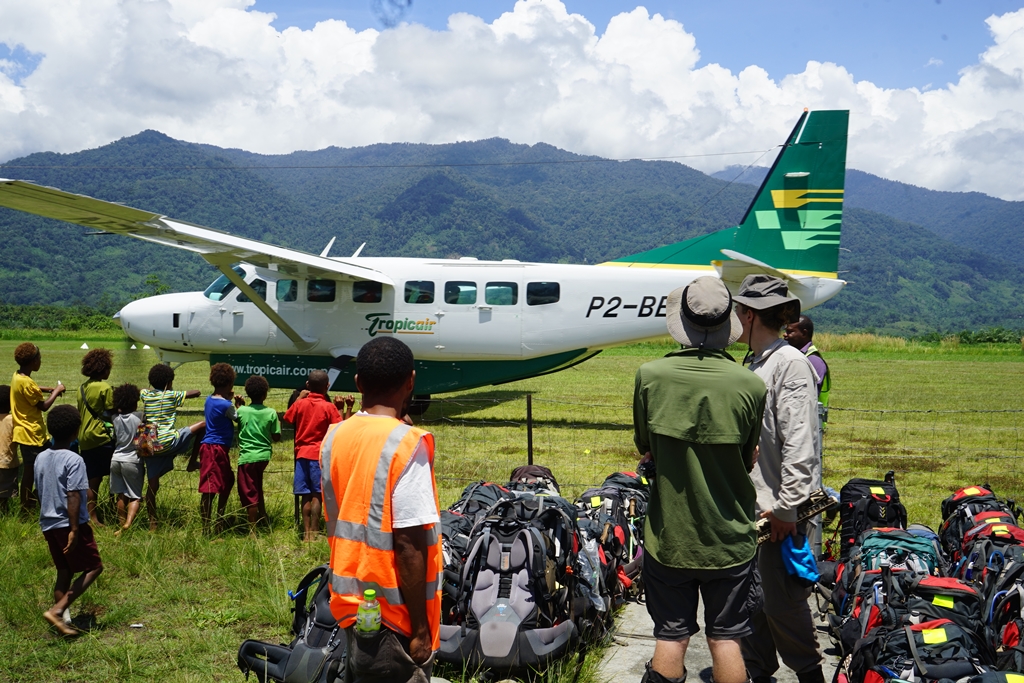
Kokoda Airfield
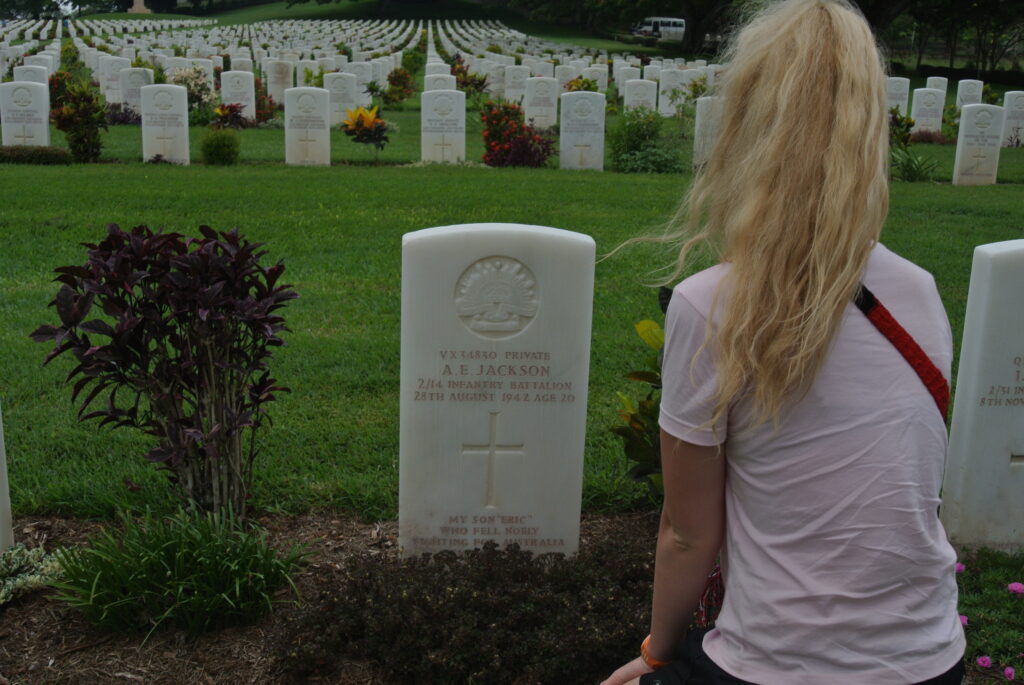
Bomana War Cemetery
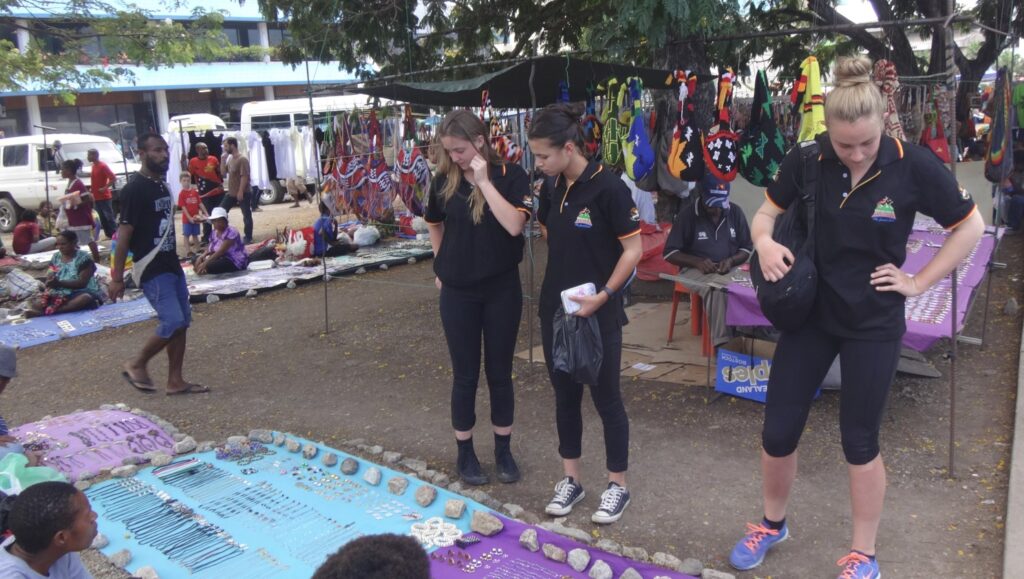
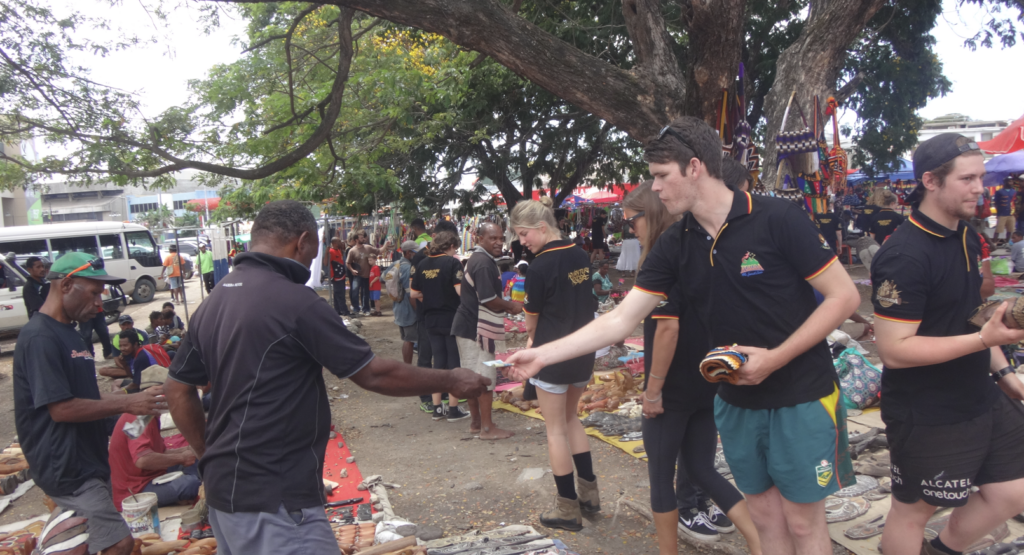
Boroko Markets, Port Moresby